





Flame Mahogany Library Table
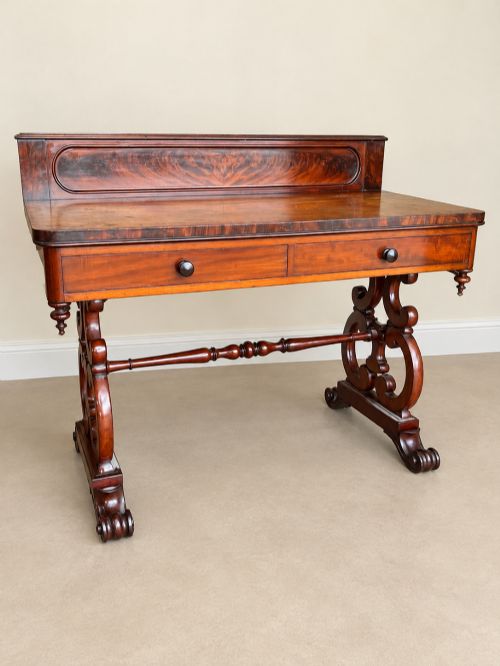
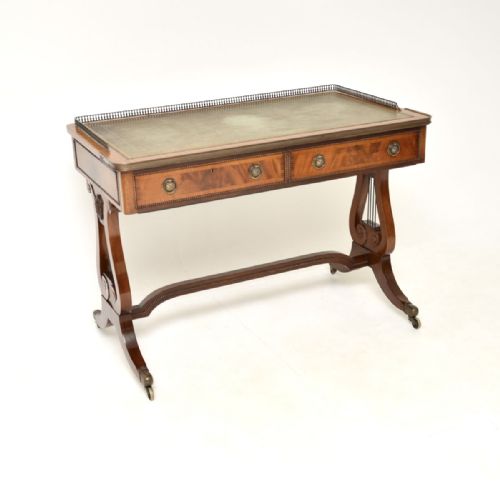
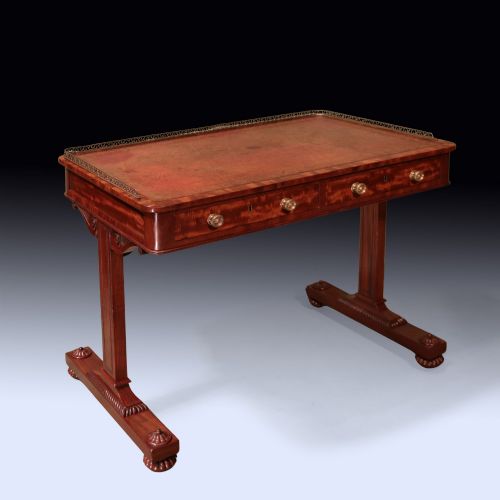
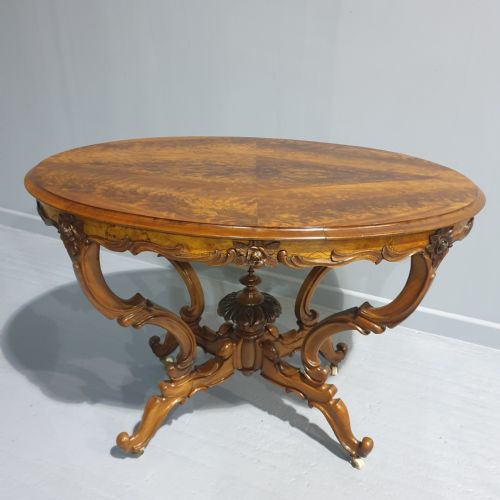
These flame mahogany library table pieces combine striking timber figure with formal utility, offering a commanding centrepiece for a traditional study or living space.
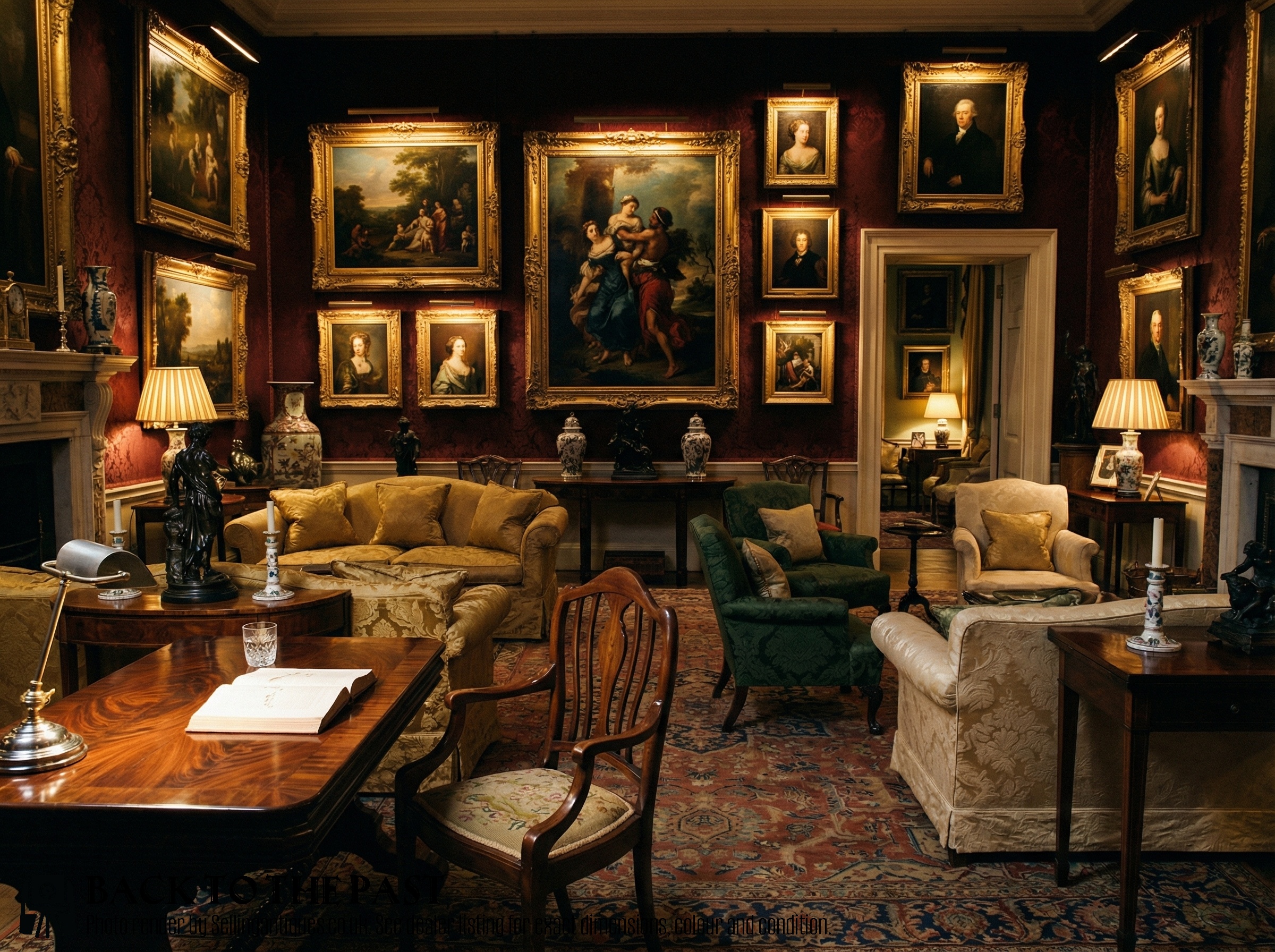
Flame Mahogany Library Table
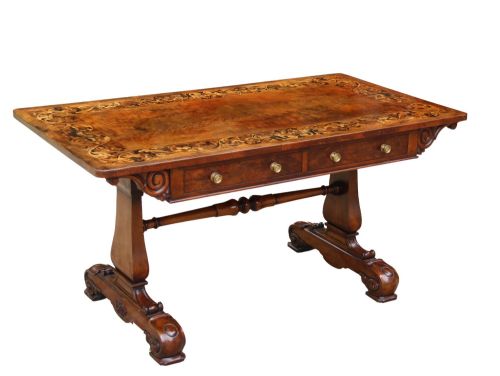
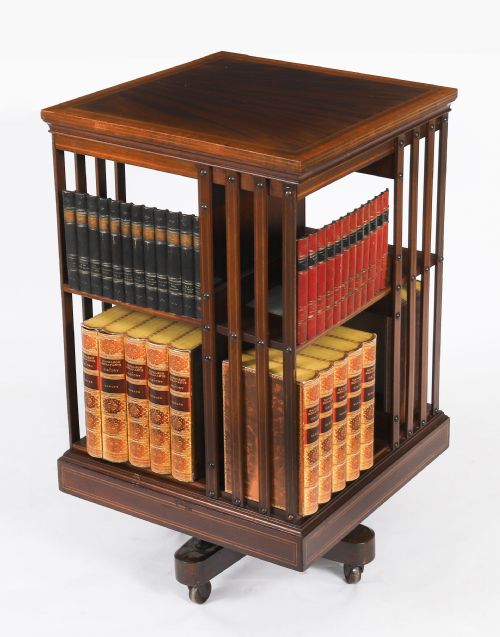
A flame mahogany library table brings together robust writing furniture and deeply figured timber, spanning periods from the late Georgian era through the Victorian epoch and into Edwardian revivals. Buyers encounter diverse structural formats here, ranging from pedestal partner desks and revolving drum tables to sofa tables and centre tables.
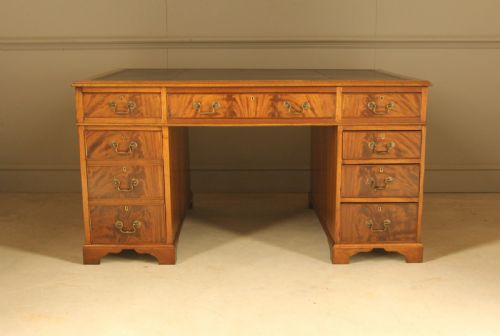
The most prevalent examples on this page date from the nineteenth century, particularly the Regency and Victorian periods, showcasing expansive timber surfaces designed for reading, writing and storage. Pieces take the form of large twin-pedestal partners desks with leather inserts as well as circular drum tables with rotating tops.
Makers utilised rich mahogany veneers alongside solid mahogany carcasses, incorporating brass details, satinwood and marquetry into specific iterations. The selection moves from formal George III and William IV models down to Edwardian and later twentieth-century interpretations.
Materials and construction
Cabinet makers applied carefully selected flame mahogany veneer over stable secondary timbers to create the characteristic rippled, fire-like grain patterns across large writing surfaces and drawer fronts. This technique required expert timber preparation and precise hand-sawing to achieve book-matched symmetrical effects.
Workshops integrated tactile secondary materials such as tooled leather writing surfaces, brass inlay, cast brass handles and occasional iron hardware for structural support. Marquetry detailing and satinwood stringing appear on select pieces, demonstrating advanced decorative carpentry.
Flame Mahogany Library Table Retail Price Guide 2026
Typical asking prices for flame mahogany library table among the pieces listed under this phrase on Sellingantiques today, from the lower quarter to the upper quarter. They describe what is for sale here now, not the wider market.
Some nineteenth-century drum tables rotate completely silently, making them ideal for midnight manuscript consultation.
Distinctions in craftsmanship
Superior execution shows in the continuity of the flame mahogany figure across multiple drawers and panels, where timber was cut from the same log to maintain a balanced visual rhythm. Lesser examples display fragmented grain matching or heavy secondary staining that obscures natural timber variations.
Construction integrity distinguishes workshop production, evidenced by tight dovetail joints in the drawer construction, smooth revolving mechanisms on drum tables, and original brass hardware securely fitted. Finer pieces retain substantial weight, proportioned secondary woods and authentic patination developed through age.
Holland and Sons·Gillows·Thomas Myers of Gillows·Whytock and Reid
The Flame Mahogany Library Table Glossary
- Flame mahogany
- A veneer cut from the fork of the mahogany tree where the branch meets the trunk, producing a rippled, flickering grain pattern resembling flames.
- Drum table
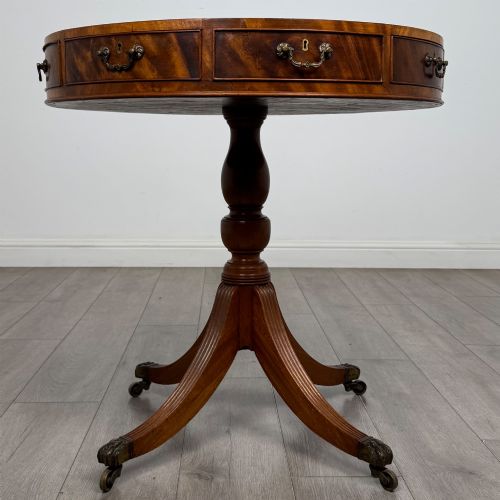
- A circular library table containing a frieze of drawers around the perimeter, frequently featuring a rotating mechanism and a leather-lined top.
- Partners desk
- A large double-sided pedestal desk designed with drawers and cupboards on both sides so two people could work opposite each other.
- Sofa table
- An oblong occasional table traditionally placed in front of a sofa, equipped with drop leaves at either end and small frieze drawers.
- Marquetry
- Decorative veneer work formed by fitting together thin pieces of wood, shell or ivory to create pictorial or geometric designs on the surface.
Flame Mahogany Library Table: Frequently Asked Questions
What is a flame mahogany library table used for?
These tables served primarily as substantial writing and reading desks in gentlemen's libraries, studies or large estate offices. Their expansive tops accommodated books, ledgers and writing materials while providing deep drawers for storage.
Today, they function effectively as freestanding centrepieces in large rooms, executive desks in home offices, or display surfaces in traditional interiors where rich wood figure adds visual warmth.
How do I tell a Regency table from a Victorian one?
Regency pieces, generally dating from the early nineteenth century, typically exhibit cleaner classical proportions, understated brass inlay, and restrained classical restraint inspired by Greek and Roman forms. Mahogany colours tend to be warm and golden.
Victorian tables, produced later in the nineteenth century, often appear heavier and more robust, sometimes incorporating bolder carved mouldings, pedestal cupboard bases, and darker reddish-brown patination reflecting changing industrial-era tastes.
What is a revolving drum table?
A revolving drum table is a circular library table built upon a central pedestal or tripod base, featuring a top that rotates on a concealed pivot mechanism. This allowed a reader to access multiple reference books or writing supplies without moving around the table.
The perimeter usually alternates between functional drawers and false drawer fronts to maintain a balanced aesthetic while offering discrete storage.
How should I care for a mahogany leather top desk?
Protect the leather writing surface from direct sunlight and excessive moisture by using coasters and blotting paper when writing. Conditioning the leather periodically with appropriate balms prevents cracking and maintains suppleness.
Feed the flame mahogany timber with traditional wax polish rather than silicone sprays, buffing gently with a soft cloth to preserve the natural depth and lustre of the grain.