
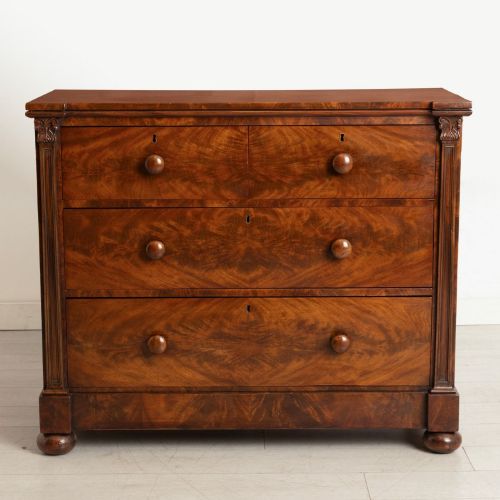
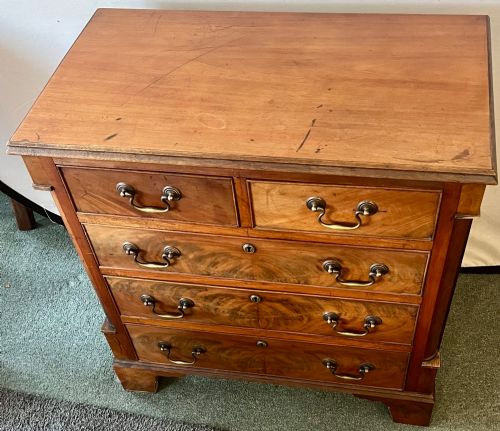
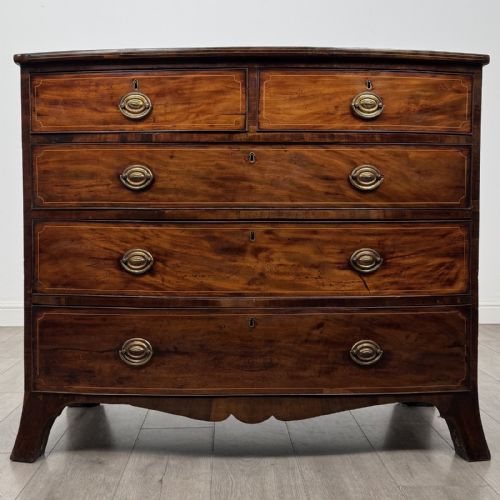
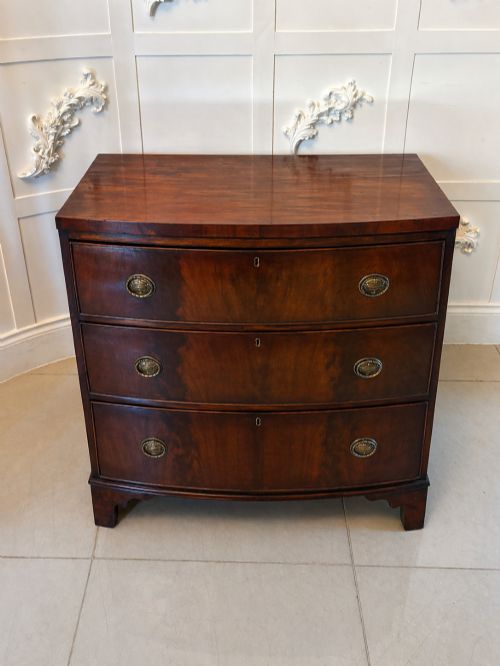
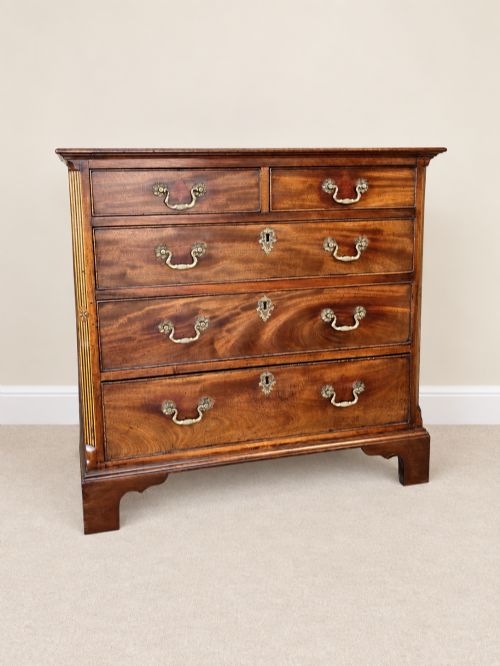
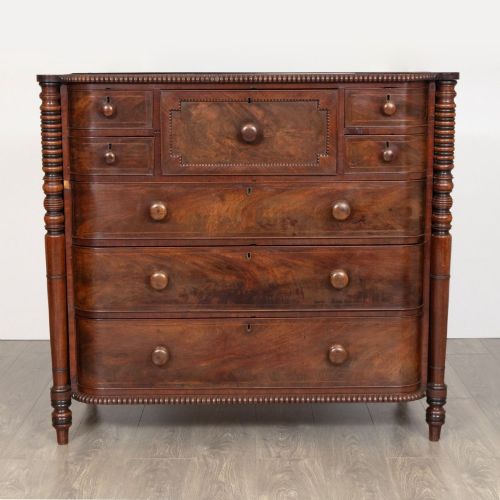
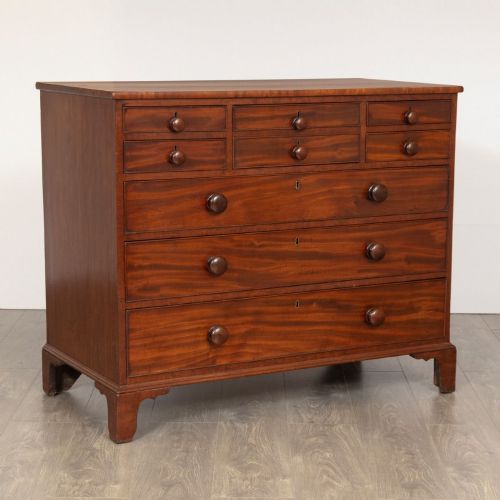
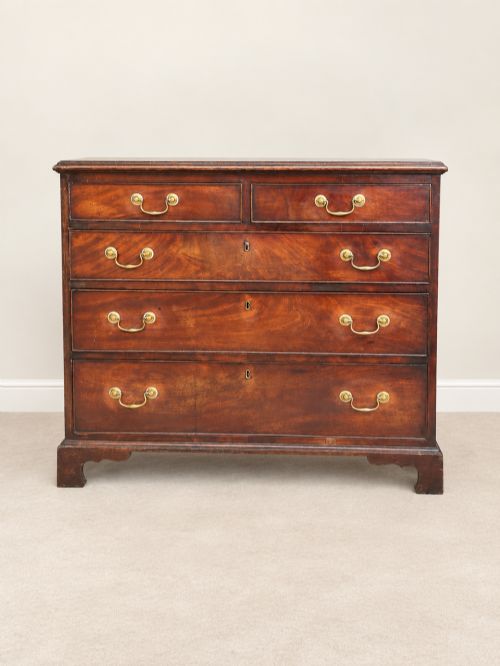

Flame Mahogany Bedroom Dresser
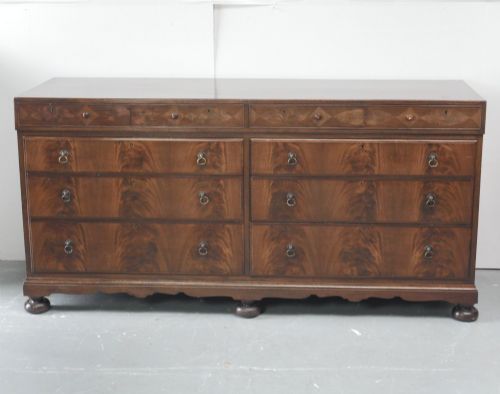
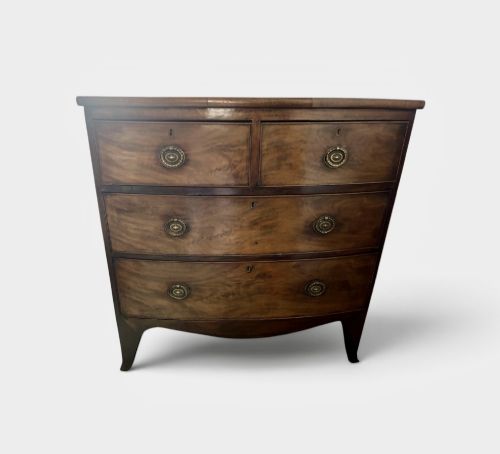
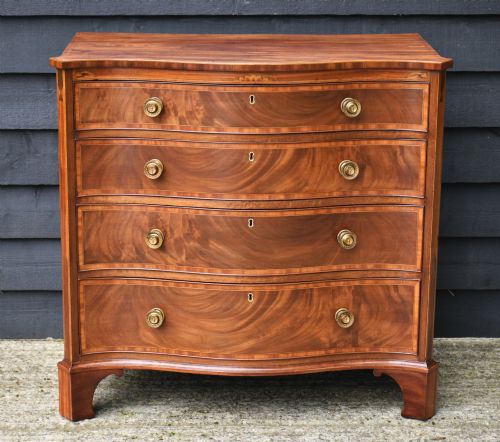
These flame mahogany bedroom dressers offer striking figured grain timber and practical storage, bringing warmth and historical character to a sleeping space.
Flame Mahogany Bedroom Dresser
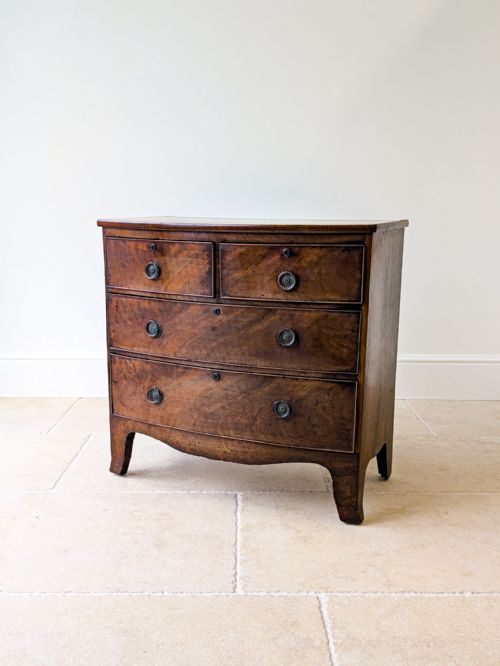
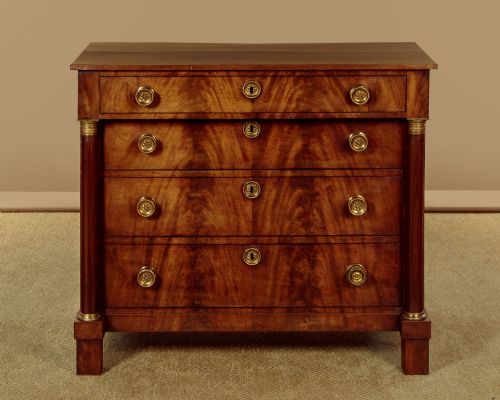
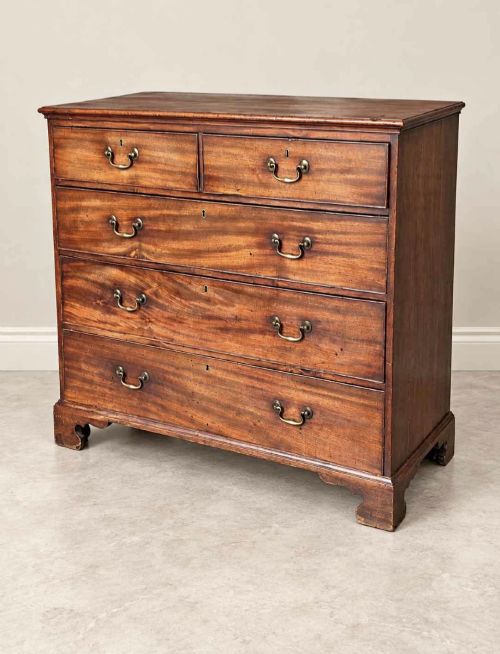
A flame mahogany bedroom dresser takes the form of a chest of drawers, built to hold garments and household linens in domestic interiors. When searching for a flame mahogany bedroom dresser, collectors encounter examples spanning several distinct eras, notably the Georgian, Regency, William IV, George IV, Victorian, and Edwardian periods.
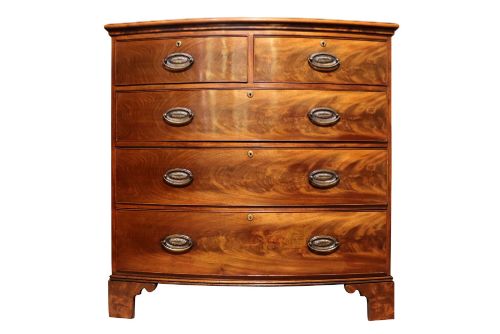
The dominant physical form is the chest of drawers, often constructed with a bow front or a serpentine outline to soften the rectangular silhouette. Pieces frequently originate from English, Scottish, and Welsh workshops, utilising regional timber selections and cabinet-making traditions.
Dimensions range from small, compact bedside or hall chests to large multi-drawer iterations designed for principal chambers. Many retain original brass handles, working locks with keys, and internal configurations such as secret drawers or fitted top compartments.
How They Were Made
Cabinet-makers constructed these pieces primarily from solid mahogany and oak, applying highly figured flame mahogany veneer to the primary drawer fronts and top surfaces to create dramatic, rolling patterns. Secondary structural timbers like oak provided sturdy internal framing for the drawer linings and carcases.
The decorative hardware typically consisted of cast brass handles and escutcheons secured to the drawer faces. Construction techniques relied on tight dovetail joints for the drawers and meticulous veneer sawing to accentuate the natural grain of the wood.
Listings feature pieces spanning the Georgian, Regency, William IV, Victorian, and Edwardian periods, utilising mahogany, flame mahogany veneer, oak, and brass.
What Varies in Quality
Quality rests significantly in the choice and matching of the veneer, where symmetrical flame figures across multiple drawer fronts indicate superior selection by the cabinet-maker. The depth of the timber's natural chatoyancy and the precision of the book-matching elevate a piece above standard utility furniture.
Structural integrity and the retention of original brass hardware, working locks, and secondary woods like oak linings further differentiate standard examples from masterworks. Elegance of proportion, particularly in bow-fronted and serpentine silhouettes, dictates the visual success of the chest.
Whytock & Reid
The Flame Mahogany Bedroom Dresser Glossary
- Flame mahogany veneer
- A thin slice of wood cut from the fork of the mahogany tree where the branch meets the trunk, producing a rippling, flame-like grain pattern. Cabinet-makers applied this decorative layer over a stable secondary timber base.
- Bow front
- A convex, outwardly curved front profile popular on chests of drawers during the Georgian and Regency periods. This curved design softened the rigid geometry of standard bedroom furniture.
- Serpentine outline
- A front edge shaped in a continuous wave, curving outward at the centre and inward towards the corners. This complex profile required advanced woodworking skill.
- Dovetail joint
- An interlocking woodworking joint formed by interlocking wedge-shaped fingers, prized for its exceptional tensile strength. It is commonly found securing the corners of antique drawer boxes.
- Escutcheon
- A protective metal plate surrounding a keyhole, usually cast from brass. It prevented the wood surrounding the lock from sustaining damage through repeated use of the key.
Flame Mahogany Bedroom Dresser: Frequently Asked Questions
What is a flame mahogany bedroom dresser?
A flame mahogany bedroom dresser is fundamentally a chest of drawers constructed with decorative figured wood veneers. These pieces served as primary storage furniture for clothing in domestic bedchambers.
Craftsmen utilised the dramatic grain patterns of the wood to create visually striking facades. They remain practical and decorative additions to traditional and modern interiors alike.
How do I identify a Georgian chest of drawers?
Georgian chests typically feature hand-cut dovetailing, solid oak or mahogany secondary woods, and proportions that prioritise classical architectural balance. Many examples incorporate bracket feet or simple apron bases.
Stylistic markers include cockbeading around the drawer edges and original cast brass hardware. The presence of dense, heavy mahogany timber also points toward this earlier period of production.
Where were these chests made?
Workshop production centred primarily across England, Scotland, and Wales, with regional cabinet-makers interpreting prevailing metropolitan styles. Scottish makers frequently utilised distinct local timber combinations.
Regional variations appear in the choice of secondary woods like oak and the specific shaping of the bracket feet or apron details. These local distinctions help attribute unsigned pieces to particular regions.
How do I care for flame mahogany veneer?
Protect antique veneer by keeping the furniture away from direct sunlight and steady heat sources that can dry out the historic glues. Maintain a stable indoor humidity to prevent the thin timber from warping or splitting.
Apply high-quality beeswax sparingly and buff gently with a soft cloth to nourish the wood. Avoid modern liquid polishes containing silicones that can penetrate past the finish.