


Fitted Interior Desk Chest
These fitted interior desk chests combine practical writing surfaces with hidden compartments, offering collectors a clever blend of storage and craftsmanship.
Fitted Interior Desk Chest
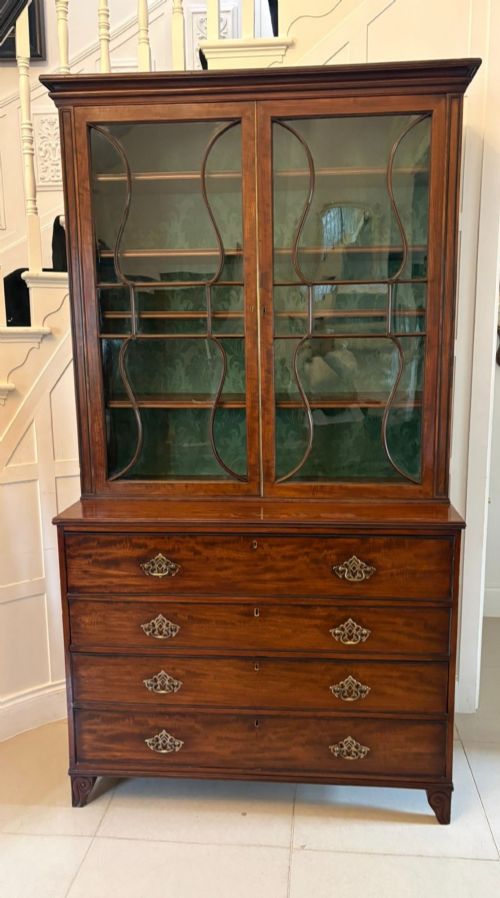
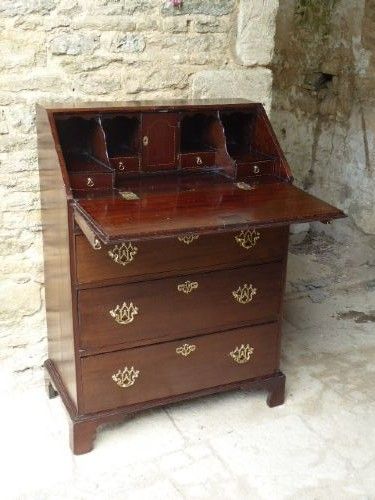
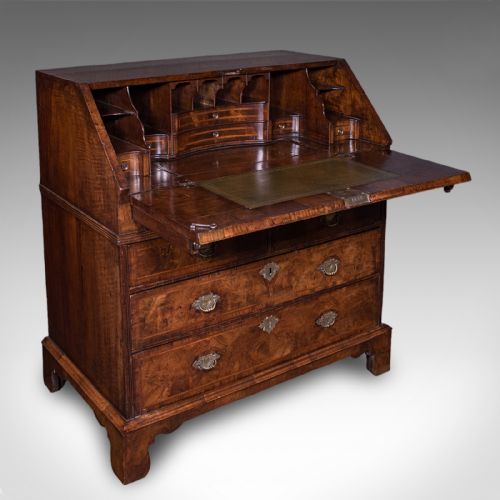
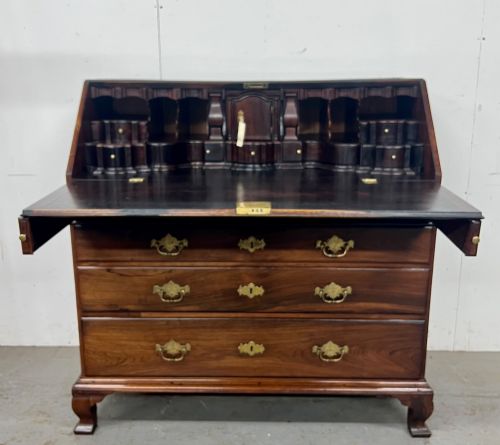
A fitted interior desk chest brings together the functional storage of a chest of drawers with the fold-down writing surface of a bureau or writing cabinet. When you search for a fitted interior desk chest, you encounter forms that range from compact oak pieces to large mahogany secretaire bookcases and walnut escritoires.
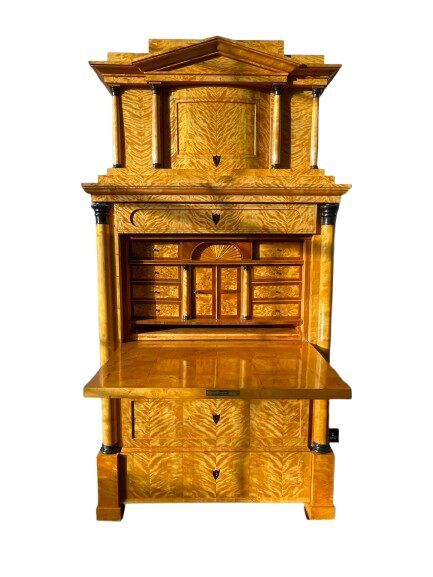
The selection on this page draws from the eighteenth century, the nineteenth century, and specific historical periods like the Georgian and Regency eras. You find smaller portable writing boxes alongside tall secretaire chests of drawers and imposing Biedermeier secretaire cabinets.
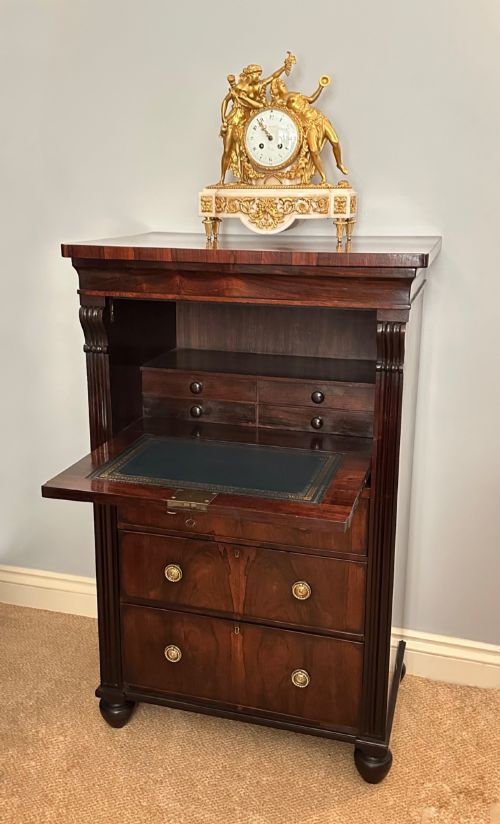
Origin and regional style vary across the pieces, with English, Portuguese, and Anglo Indian examples appearing among the selections. Walnut, mahogany, and rosewood serve as the primary timbers housing the intricate internal compartments.
How they were made
Makers constructed these pieces using dense hardwoods like mahogany, walnut, oak, and rosewood, often choosing figured veneers for the exterior surfaces. Solid timbers provide structural stability for the deep drawers and heavy fall fronts.
Internal compartments incorporate small drawers, pigeonholes, and secret spaces constructed with fine dovetail joints. Brass handles, escutcheons, and hinges secure the moving parts, while glass doors appear on bookcase variants.
Surface treatments include leather writing inserts, baize linings, and painted finishes. Cabinetmakers balanced exterior gravity with delicate internal joinery to support the complex fitted sections.
Materials recorded across the selection include mahogany, walnut, rosewood, oak, brass, leather, baize, and glass.
What varies in quality
Quality rests in the complexity and execution of the internal arrangement, where intricate small drawers and secret compartments demonstrate the maker's skill. Simpler pigeonhole layouts contrast with elaborate architectural interiors featuring stepped drawers and sliding wells.
The choice of timber grain and the precision of veneer matching dictate the visual impact of the exterior. Solid secondary woods and robust drawer construction distinguish superior cabinetwork from standard production.
Hardware integration and the crispness of brass mounts reflect the original tier of manufacture. Reproduction pieces built in the twentieth century differ in construction depth from eighteenth century originals.
The Fitted Interior Desk Chest Glossary
- Secretaire
- A piece of furniture containing a drawer or compartment that pulls down or folds open to serve as a writing desk. It often conceals a fitted interior with pigeonholes and small drawers.
- Escritoire
- A writing cabinet or desk, originating from the seventeenth century, typically featuring a fall front or sloping lid over a set of drawers. Walnut and figured veneers frequently clothe these forms.
- Fall front
- A hinged panel that drops from a vertical position to horizontal, creating a flat surface for writing. This mechanism is central to bureaus and writing cabinets.
- Wellington chest
- A tall, narrow chest of drawers secured by a hinged locking side pilaster or flap. Nineteenth century examples in rosewood and mahogany appear in this format.
- Biedermeier
- A central European style spanning the nineteenth century characterised by utilitarian comfort and clean lines. Pieces from this aesthetic favour blonde woods and restrained classical ornament.
Fitted Interior Desk Chest: Frequently Asked Questions
What is a fitted interior desk chest?
A fitted interior desk chest is a piece of furniture that combines a chest of drawers or a cabinet with a drop-down or pull-out writing surface. Inside, it houses a collection of small drawers, pigeonholes, and compartments designed for stationery and documents.
These pieces bridge the gap between storage furniture and writing desks. They appear in various forms, including upright secretaire cabinets, tall chests, and compact bureau writing desks.
How were these desks used originally?
Owners used these desks for correspondence, keeping accounts, and storing private papers. The drop-front panel provided an immediate writing slope, while the internal compartments kept ink, quills, and letters organised.
In larger houses, they served in private studies or bedrooms. The lockable fall front and secret compartments kept sensitive documents secure from household staff and visitors.
How do I place one in a modern home?
These chests function well in studies, living rooms, and bedrooms where surface space and storage are both useful. Their vertical proportions make them efficient for rooms with limited floor space while offering substantial drawer capacity.
Keeping the writing flap closed presents a clean cabinet or chest facade, concealing the internal compartments when not in use. They pair effectively with traditional or contemporary seating of an appropriate height.
How do I tell an 18th century piece from a 19th century one?
Eighteenth century pieces often display solid oak, walnut, or early mahogany with hand-cut dovetails and subtle timber figuring. Their internal layouts tend to feature traditional architectural details like arched pigeonholes and sliding candle slides.
Nineteenth century examples frequently utilise dense rosewood, rich figured mahogany veneers, or Biedermeier styling. Construction techniques shift slightly with industrial developments, and hardware styles reflect Victorian or Regency tastes.