




Fitted Trinket Box
A fitted antique trinket box is an interior container with tailored compartments, offering secure storage for small valuables and trinkets.
Fitted Trinket Box
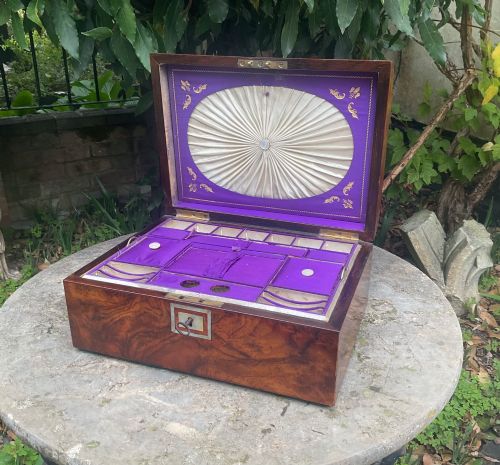
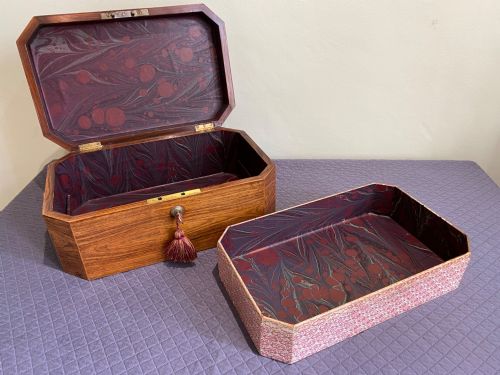
A fitted antique trinket box provides organised storage for small personal valuables through internal partitions, trays, and velvet or silk linings. When searching for a fitted antique trinket box, buyers encounter examples primarily from the Victorian period, along with 18th century, Edwardian, and Georgian pieces.
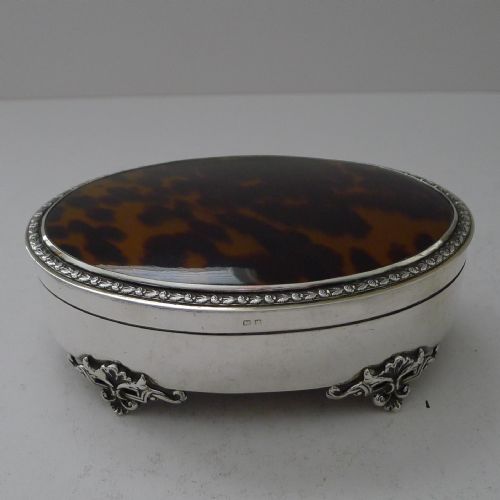
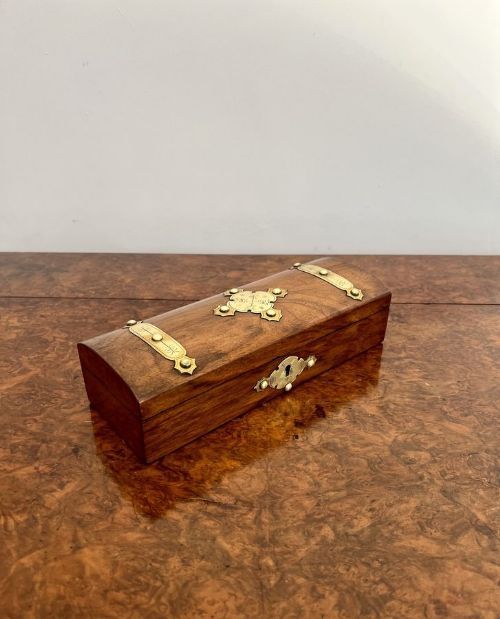
The forms on this page span jewellery boxes, vanity boxes, dressing boxes, and miniature campaign trunks. Construction relies heavily on timber carcases embellished with brass, tortoiseshell, leather, and mother of pearl details.
Victorian burr walnut and rosewood variations dominate the selections, often equipped with internal mirrors and lift-out trays. Buyers also find utilitarian or decorative variants such as glove boxes, presentation insignia boxes, and specialised sewing workboxes.
How They Were Made
Cabinet makers constructed these boxes using dense hardwoods including rosewood, walnut, burr walnut, teak, and coromandel, often shaped over sturdy wood carcases. Surfaces received meticulous polishing to accentuate natural grain patterns, while exterior edges frequently incorporated brass binding or campaign mounts for structural reinforcement.
Interiors required precise carpentry to build fitted compartments, removable trays, and secret drawers operated by hidden release mechanisms. Linings of velvet, leather, and silk were hand-stitched or glued into place to protect delicate contents, accompanied by inset glass panels or integrated vanity mirrors where function demanded.
Listings feature woods such as rosewood, walnut, burr walnut, teak, and coromandel, alongside materials like brass, tortoiseshell, leather, and velvet.
What Varies in Quality
The calibre of a fitted antique trinket box depends upon the selection of timber veneers and the precision of the internal joinery. Highly figured burr walnut or heavily grained rosewood combined with flawless dovetail joints distinguish superior examples from standard production.
Hardware integrity and interior detailing also separate categories of quality. Solid brass mounts, original working locks with functional keys, intact silk or velvet linings, and complex internal mechanisms like folding mirror stands elevate the standing of a piece.
Parkins Grotto Oxford St London
The Fitted Trinket Box Glossary
- Burr Walnut
- A timber obtained from the wart-like growths on walnut trees, yielding highly ornamental, swirling grain patterns prized by cabinet makers. It frequently surfaces on luxury Victorian dressing and jewellery boxes.
- Campaign Chest
- Portable furniture constructed in sections with brass corners and recessed carrying handles for military transport. Miniature versions served as compact storage containers for officers.
- Coromandel
- A dense, heavy wood originating from Asia, distinguished by dark brown coloration and contrasting striking black stripes. It was utilised for high-end 19th century vanity and dressing boxes.
- Escutcheon
- A protective plate surrounding a keyhole, usually fashioned from brass or mother of pearl. On these boxes, it acts as both a functional reinforcement and a decorative focal point.
- Dressing Box
- A compartmented chest designed to hold cosmetics, grooming tools, and jewellery, often featuring folding mirrors and secret compartments. These pieces represent larger, more elaborate variants of trinket storage.
Fitted Trinket Box: Frequently Asked Questions
What were fitted antique trinket boxes used for?
These boxes served to store jewellery, loose trinkets, letters, and personal grooming implements securely in the home or during travel. Interiors were meticulously partitioned to keep rings, necklaces, and small valuables separated and protected.
Larger variants often doubled as dressing or vanity boxes, incorporating mirrors and compartments for cosmetics. They functioned as both practical storage objects and decorative items displayed on dressing tables.
How do I tell Victorian boxes apart from Georgian ones?
Victorian examples frequently display heavier proportions, darker woods like rosewood and burr walnut, and elaborate brass or mother of pearl inlay. They often include complex internal mechanisms, lift-out trays, and fitted mirrors.
Georgian pieces tend toward more restrained classical lines, simpler timber selections such as mahogany or lighter fruitwoods, and more austere internal layouts. The overall construction and decorative vocabulary reflect the prevailing taste of the respective century.
Are keys usually included with antique boxes?
Original working keys are occasionally present, but many antique boxes survive without them due to centuries of displacement. Locks can often be opened by specialists or fitted with replacement keys if desired.
The absence or presence of a key does not diminish the structural integrity or craftsmanship of the timber carcase and internal fittings.
How should I care for a wooden jewellery box?
Keep wooden boxes away from direct sunlight and steady heat sources to prevent the timber and veneers from drying out or splitting. Maintaining stable indoor humidity protects both the external polish and the fragile interior fabric linings.
Dust exterior surfaces gently with a dry cloth and avoid harsh chemical cleaners on the wood, brass hardware, or velvet interiors.