







Fireside Store Bucket
Fireside store buckets keep fuel close to the hearth in brass, copper, and oak.
Fireside Store Bucket
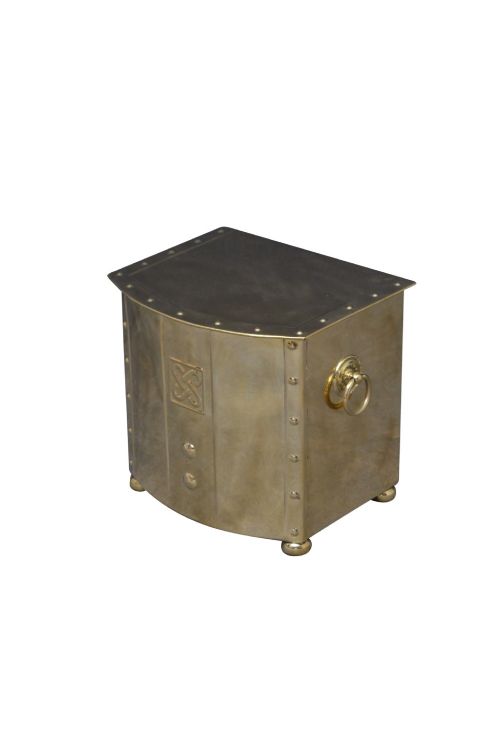
A fireside store bucket serves to hold coal, logs, or kindling beside the fireplace. When you search for a fireside store bucket, you look at containers designed to manage hearth fuel cleanly and efficiently.
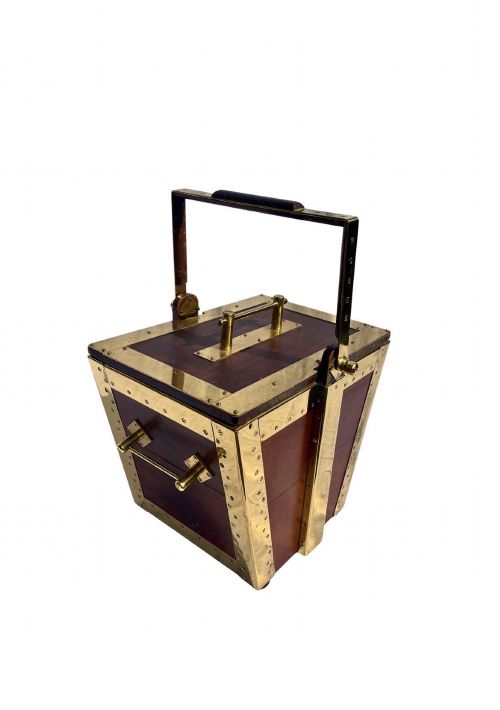
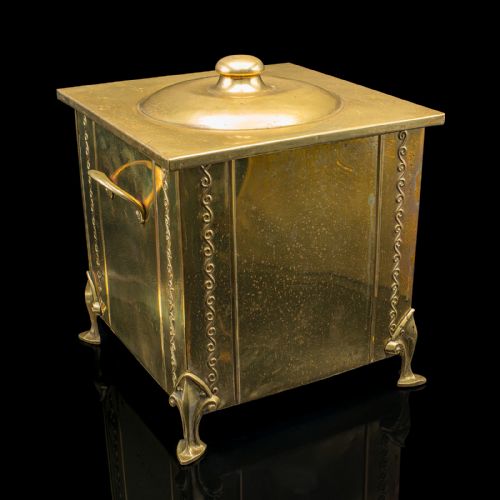
The versions you are most likely to meet on this page originate from the Victorian and Georgian periods, alongside Edwardian and Arts and Crafts examples. They appear as round buckets, lidded boxes, helmet scuttles, and purdoniums.
Makers produced these containers from materials suited to heavy daily use near the fire. They sit on hearths as functional accessories that double as decorative objects.
Materials and Construction
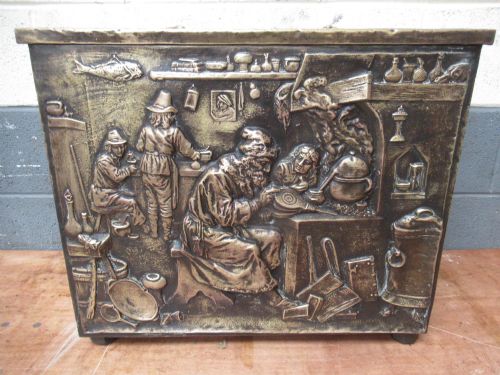
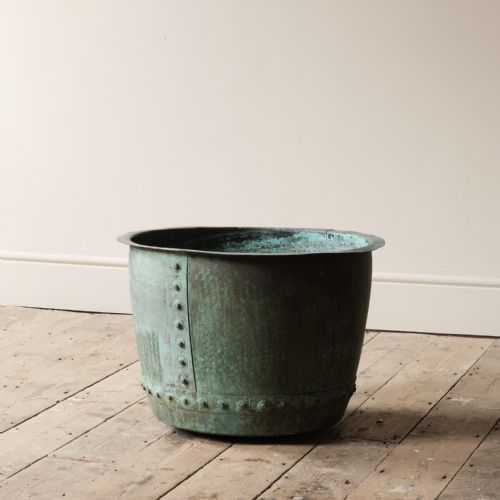
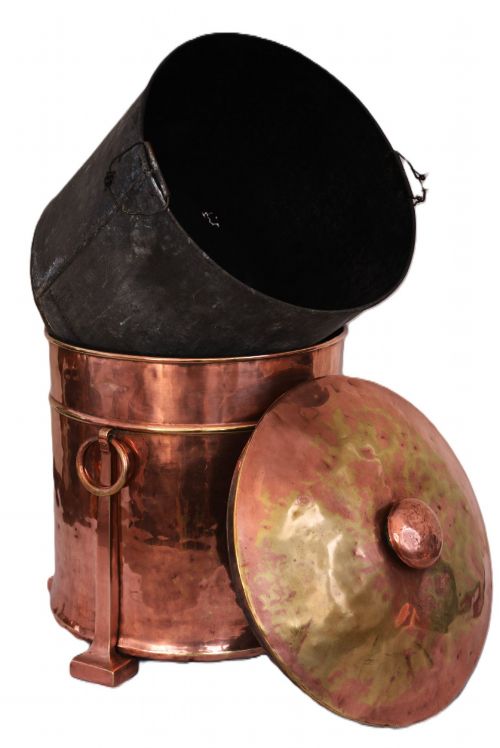
Metal versions rely on beaten, riveted, or embossed copper and brass plates joined to form sturdy bodies. Craftsmen often added swing handles, brass banding, and decorative motifs.
Wooden examples utilise oak, mahogany, walnut, and fruitwood. Coopers built these with stave construction, while cabinetmakers fashioned boxes with carved fronts and inlaid details.
Fireside Store Bucket Retail Price Guide 2026
Typical asking prices for fireside store bucket among the pieces listed under this phrase on Sellingantiques today, from the lower quarter to the upper quarter. They describe what is for sale here now, not the wider market.
Periods represented span from the Georgian era through Victorian and Edwardian times into the 1930s.
Judging Quality
Quality rests on the weight of the metal and the integrity of the joinery. Heavy gauge copper with hand-beaten surfaces and tight riveting stands apart from thin, stamped metal.
In wooden pieces, solid timber construction, substantial brass mounts, and crisp carving distinguish better examples from simpler utilitarian boxes.
William Soutter & Sons
The Fireside Store Bucket Glossary
- Coal scuttle
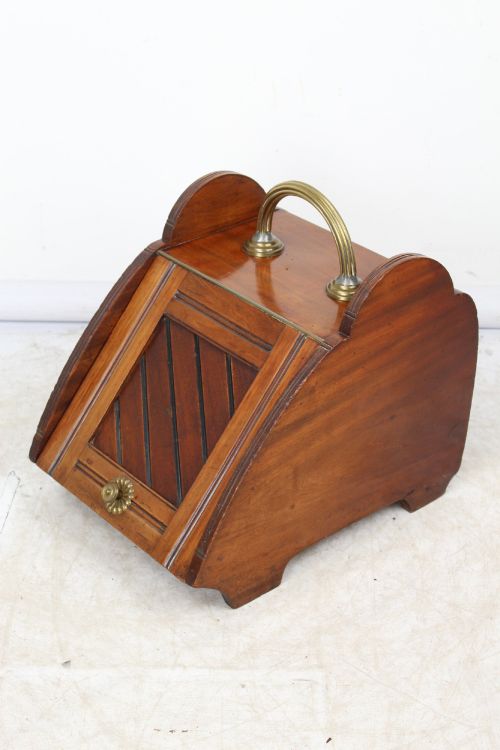
- A container with a sloped opening and a handle designed for carrying coal to the grate. These often take a helmet shape.
- Purdonium
- A box-like coal container with a hinged front lid that drops down to reveal a removable interior metal liner.
- Coopered
- Made by a cooper using curved wooden staves held together by tight bands, much like a traditional barrel.
Fireside Store Bucket: Frequently Asked Questions
What is a fireside store bucket?
A fireside store bucket is a container used to hold coal, logs, or kindling near an indoor fireplace. These items combine practical fuel storage with decorative metalwork or woodwork.
They appear in various forms, including open buckets, lidded bins, and specialised scuttles designed to complement the hearth.
How were copper buckets made?
Copper buckets were constructed from sheet metal that was beaten into shape, often featuring visible hand-hammered marks or embossed designs. Craftsmen joined the seams with metal rivets and attached sturdy brass handles.
Many examples also incorporated brass bands or feet to reinforce the structure and protect the base.
What is a coal purdonium?
A coal purdonium is a wooden box fitted with a hinged front panel that drops open to provide access to fuel. These often included a removable internal metal liner to catch coal dust and debris.
Cabinetmakers decorated the wooden exteriors with carvings, brass mounts, and inlaid patterns suited to period reception rooms.
Can these buckets be used for plants?
Many copper and wooden buckets serve well as indoor planters for large house plants or garden displays. Their robust metal or wood construction handles damp soil when lined correctly.
Georgian and Victorian examples frequently find a second life as decorative plant holders in modern interiors.