


Fireside Scuttle Bucket
These fireside scuttle bucket pieces are working hearth containers that bring metal warmth and utility to the chimney corner.
Fireside Scuttle Bucket
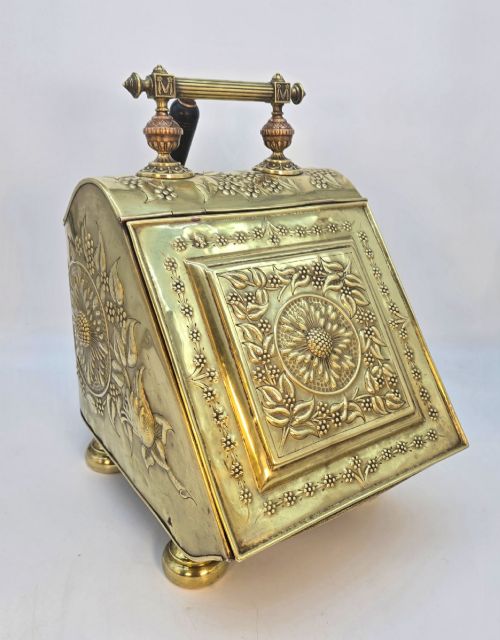
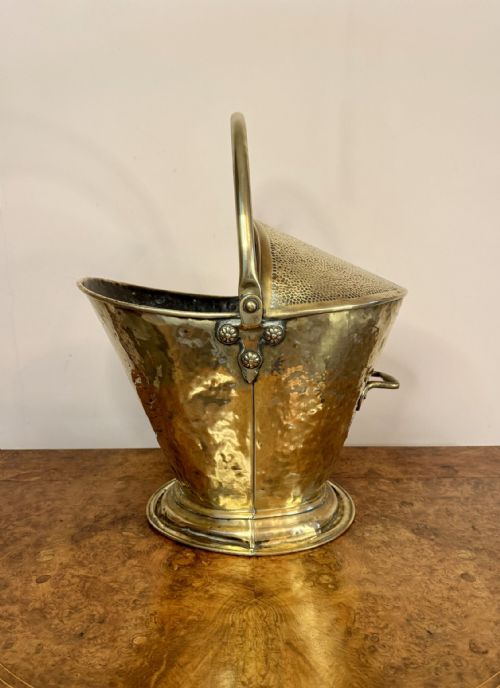
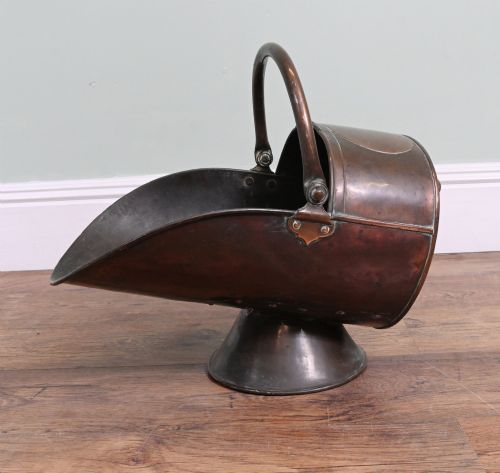
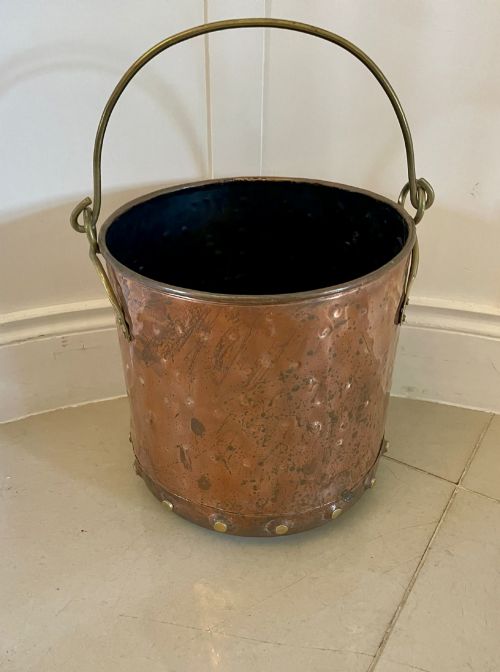
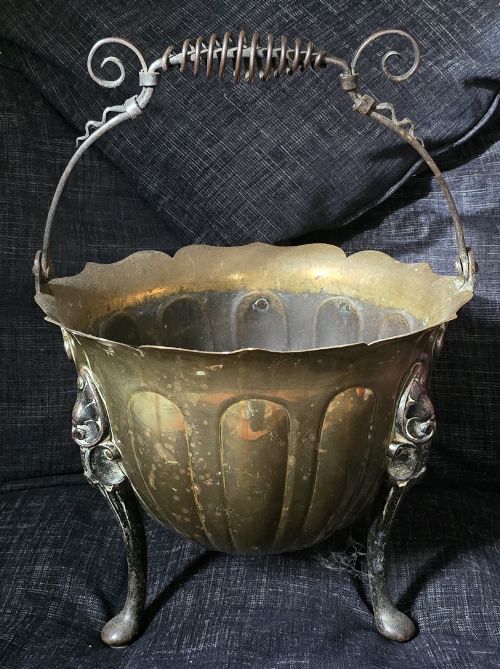
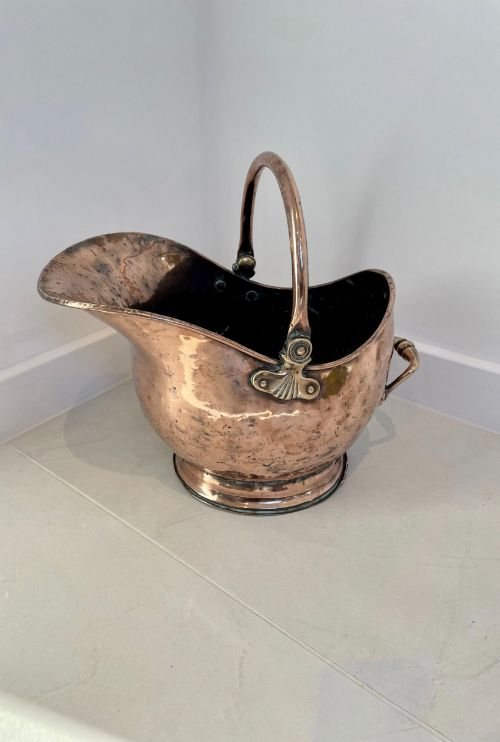
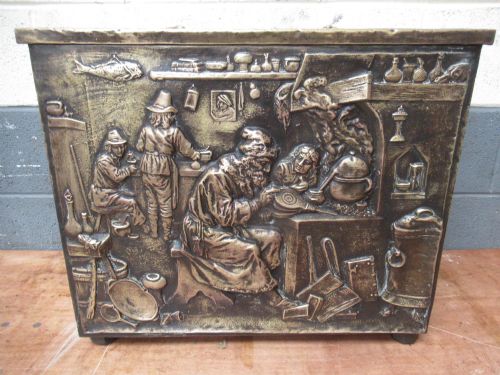
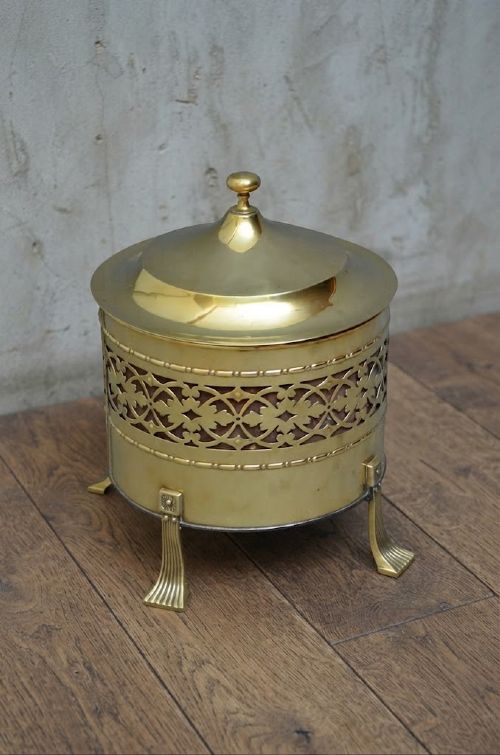
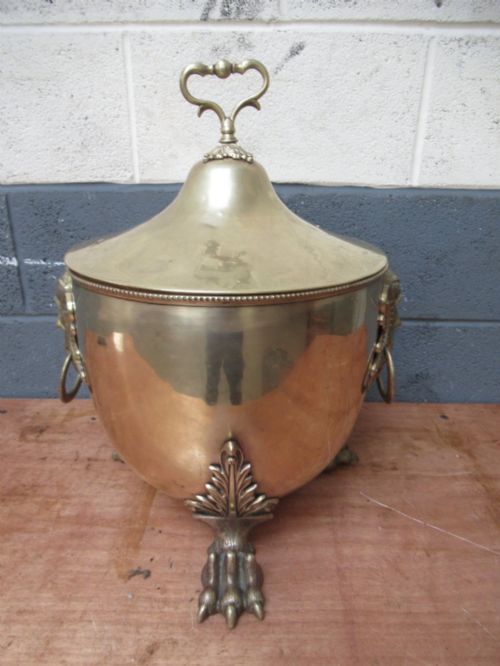
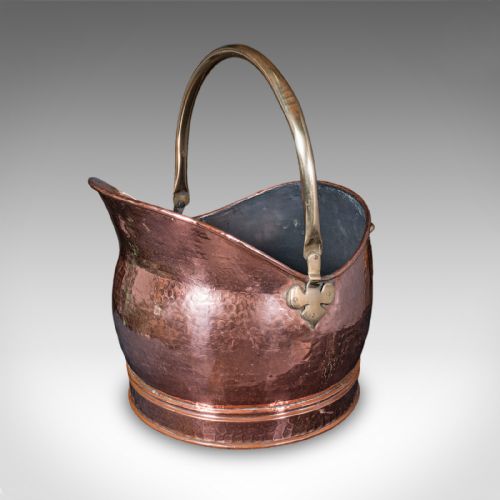
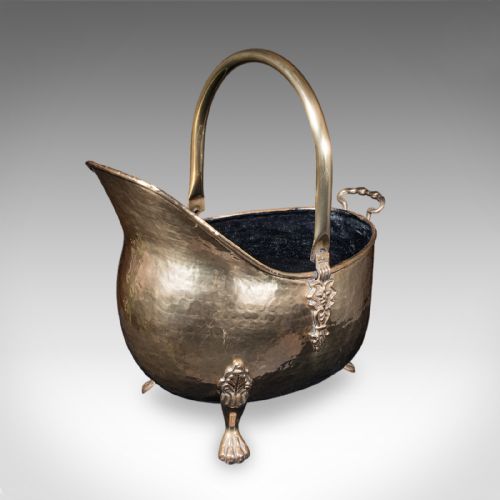
A fireside scuttle bucket serves as a sturdy container for holding coal, logs or peat beside the hearth. You will frequently encounter brass and copper helmets from the Victorian and Edwardian periods, alongside earlier George III examples.
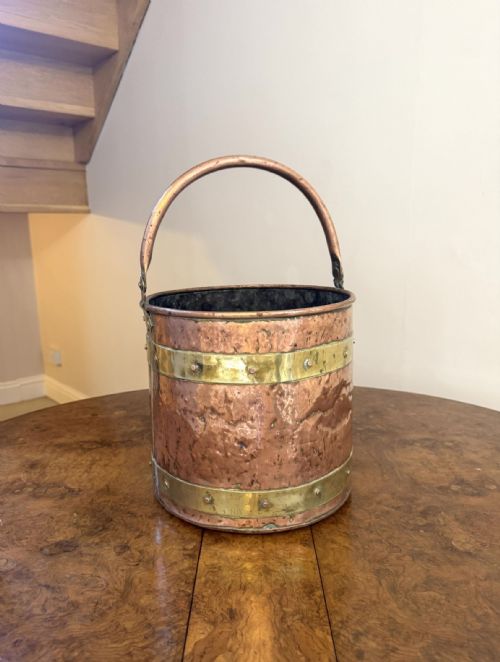
The inventory ranges from riveted cylindrical bins to handled buckets with accompanying shovels. These utilitarian objects double as decorative fireside accessories shaped by nineteenth and early twentieth century metalworkers.
Materials and Construction
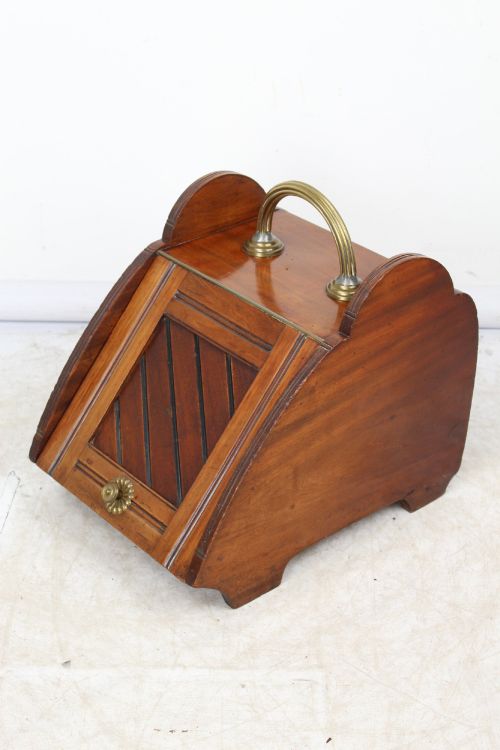
Makers shaped these vessels primarily from sheet copper and brass, often reinforcing the bodies with heavy wrought iron handles and riveted seams. Selected items incorporate timber elements such as oak and mahogany staves held by metal bands.
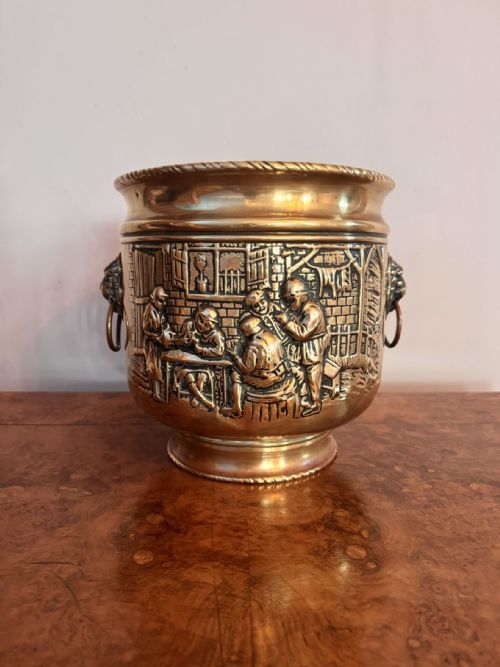
Surface treatments include embossed decoration, hand-finishing and fretwork designs that catch the hearth light. Many pieces rely on structural iron frames or original liners to withstand the daily weight of fuel.
Fireside Scuttle Bucket Retail Price Guide 2026
Typical asking prices for fireside scuttle bucket among the pieces listed under this phrase on Sellingantiques today, from the lower quarter to the upper quarter. They describe what is for sale here now, not the wider market.
Many a Victorian coal bucket has retired from dirty work to live out its days holding potted ferns.
Assessing Quality
Quality rests in the weight of the metal gauge and the integrity of the riveted joints. Thicker copper and solid brass retain their structural form better through decades of handling heavy fuel.
Fine examples display crisp embossing, well-secured swing handles and surviving original shovels or liners. The precision of the metalwork distinguishes standard production items from workshop pieces bearing specific maker attributions.
Henry Loveridge·Benham and Froud·Petrus Ramus
The Fireside Scuttle Bucket Glossary
- Scuttle
- A metal container with a handle and a sloping lip designed for carrying coal to a fireplace. This form allows the fuel to pour easily onto the fire.
- Purdonium
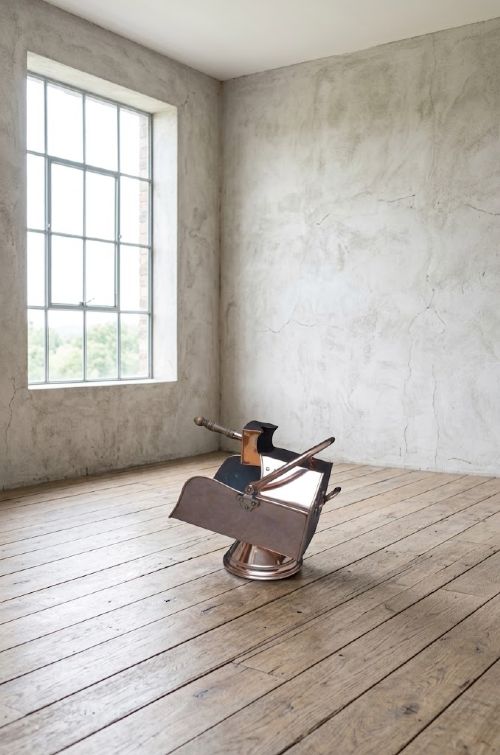
- A box-like cabinet designed to store coal indoors, often featuring a sloping front door and a scoop inside. They became common during the Victorian era for tidy hearth management.
- Tole ware
- Lacquered or enamelled metalware, typically tin or iron, decorated with painted designs. These pieces add colourful contrast to plain brass hearth accessories.
Fireside Scuttle Bucket: Frequently Asked Questions
What is a fireside scuttle bucket used for?
These vessels store and transport solid fuel such as coal, logs and peat directly beside an active fireplace. Their design allows for easy scooping and pouring into the flames.
Historically, they sat on hearths to keep fuel within arm's reach while protecting the surrounding floor from debris.
How do I clean a brass or copper bucket?
Most owners gently wash the metal surfaces with warm soapy water and a soft cloth to remove soot and dust. Harsh chemical abrasives should be avoided to preserve the natural patina.
Regular dusting keeps the surface stable without stripping away the age accumulated over decades by the hearth.
Are these buckets waterproof for plants?
Many examples are used today as indoor planters or log bins rather than for coal storage. Metal and wooden versions with intact liners handle soil and moisture effectively.
Checking for an original watertight liner ensures that watering houseplants will not damage the surrounding floor or the base of the bucket.
How do I date a copper coal scuttle?
Dating relies on manufacturing techniques, such as hand-cut dovetails, heavy wrought iron handle mounts and early riveted seams. Georgian pieces often display different handle attachments compared to later Victorian or Edwardian production.
Stylistic cues like Arts and Crafts hand-beating or Art Nouveau motifs also help narrow down the decade of origin.