




Fireplace Footman Trivet
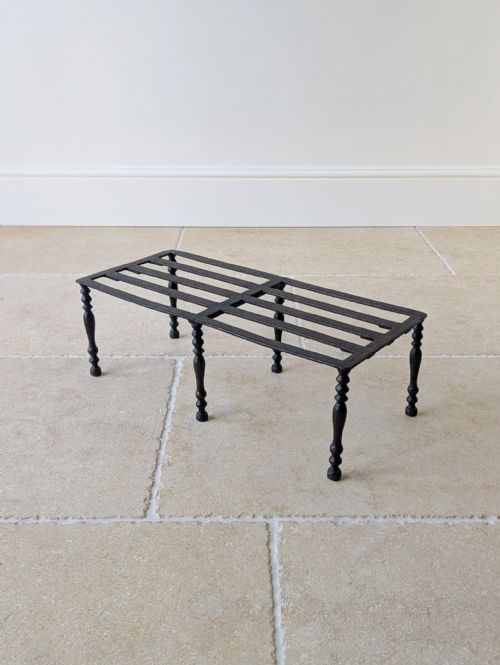
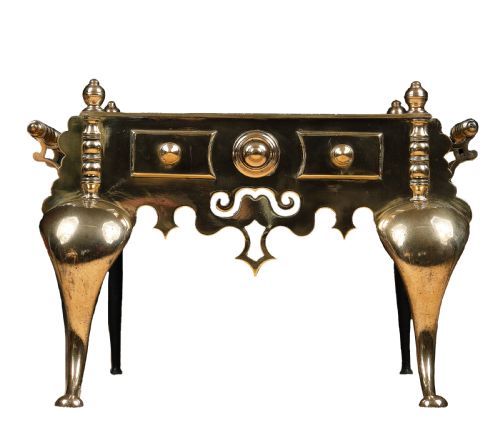
These fireplace footman trivet pieces are sturdy hearth accessories designed to stand by the grate for warming plates.
Fireplace Footman Trivet
A fireplace footman trivet is a traditional hearth accessory used beside an open fire to warm plates or keep kettles hot. When searching for a fireplace footman trivet, buyers encounter utilitarian stands that date from the eighteenth and nineteenth centuries.
The pieces listed here span the Georgian, Regency, and Victorian periods, with many originating from English and Welsh workshops. Most examples combine a polished brass top plate with a sturdy steel or wrought iron frame designed to sit directly on the hearth or floor.
How they were made
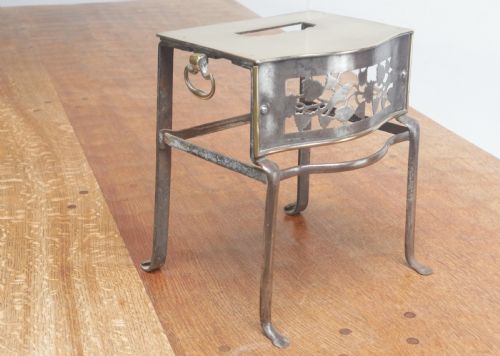
Makers constructed these hearth stands using durable metals suited to the intense heat of open fires. A typical piece pairs a heavy sheet brass top plate with forged iron or steel legs and framework.
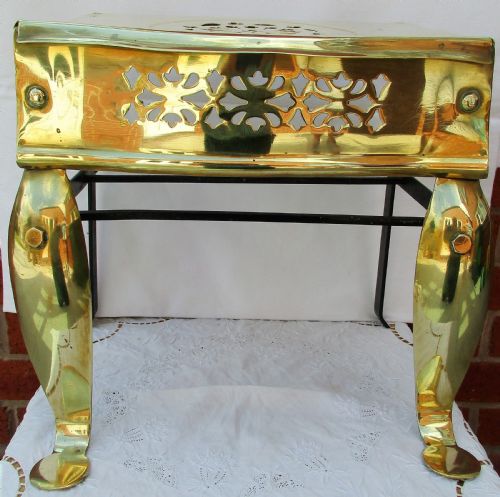
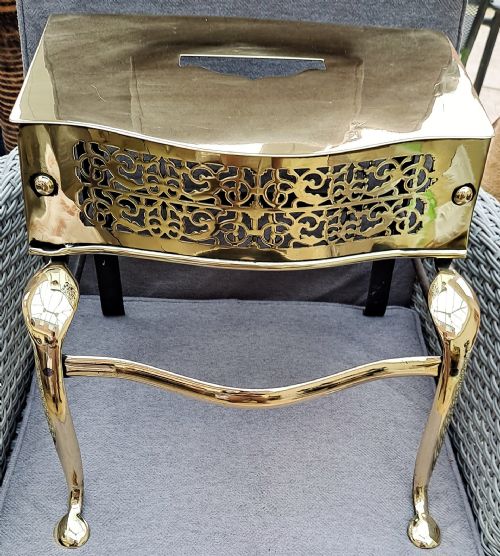
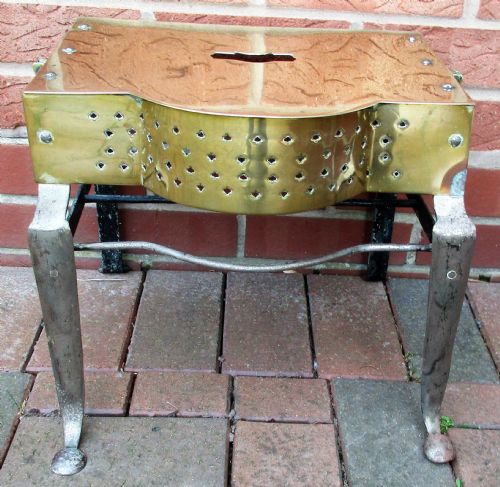
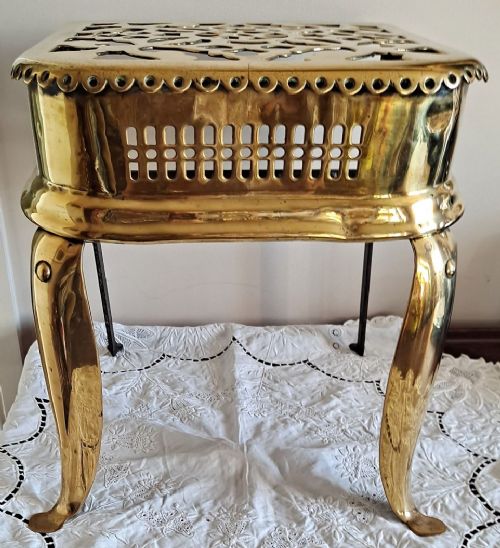
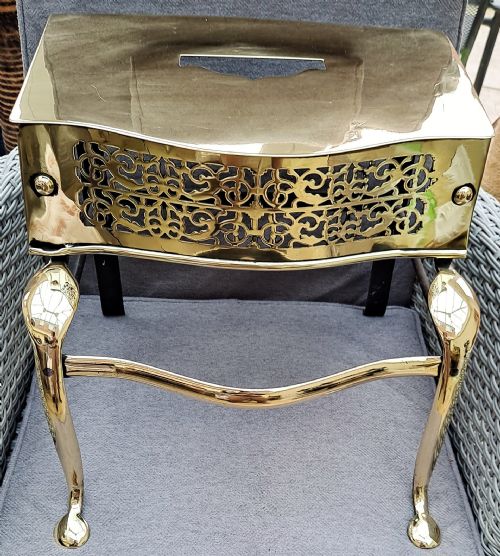
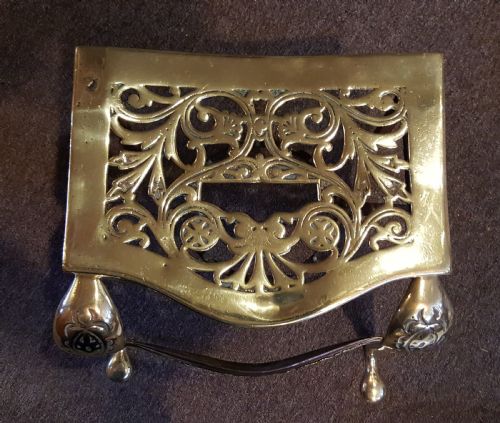
Craftsmen often pierced or engraved the brass tops with geometric or floral patterns to allow heat to rise effectively while adding decorative detail to the fireside. Structural stability was achieved through robust wrought iron supports and riveted joints.
What varies in quality
Quality in these fireside stands lies in the thickness of the metal and the crispness of any pierced decoration on the brass top plate. Superior examples display heavier gauge brass and well-forged iron frames that remain rigid and steady.
The refinement of the legs also distinguishes better pieces, ranging from simple uprights to shaped cabriole supports. A well-proportioned stand shows thoughtful balance between the weight of the top and the strength of the undercarriage.
The Fireplace Footman Trivet Glossary
- Trivet
- A small support appliance raised on feet, used for placing hot vessels or plates on the hearth. Many fireplace footman trivets double as plate warmers.
- Cabriole leg
- A furniture leg that curves out and then in, resembling the leg of an animal. Some hearth footman stools utilise this decorative form.
- Wrought iron
- Iron that has been heated and shaped with tools by a blacksmith. It provides strong, fibrous support for the brass top plates.
Fireplace Footman Trivet: Frequently Asked Questions
What is a fireplace footman trivet used for?
These metal stands were positioned by the hearth to keep plates of food warm near the open fire. They also served as convenient surfaces for resting small kettles or pots.
In period homes, they formed an essential part of the fireside arrangement before the widespread use of modern kitchen ranges.
How do I tell Georgian from Victorian pieces?
Georgian pieces often display simpler, robust wrought iron framing paired with hand-finished brass tops. Victorian examples frequently incorporate more elaborate piercing and heavier cast elements.
Examining the construction methods and metal patination helps determine the approximate period of manufacture.
Are these stands safe to use by an active fire?
Most of these pieces are constructed from heavy brass and iron designed to withstand high temperatures. However, many modern buyers prefer to use them for decorative display or as plant stands rather than active hearth use.
Checking the stability of the legs ensures the stand remains secure wherever it is placed.
Where were most footman trivets made?
Many surviving examples originate from English and Welsh workshops dating from the eighteenth and nineteenth centuries. Regional variations often appear in the shape of the legs and the patterns pierced into the brass.
English country houses and Welsh firesides both produced distinctive styles suited to local domestic habits.