





Fireplace Fender Seat
A fireplace fender seat combines a hearth guard with low cushioned seating, offering a practical fireside perch shaped by Victorian and Edwardian craftsmanship.
Fireplace Fender Seat
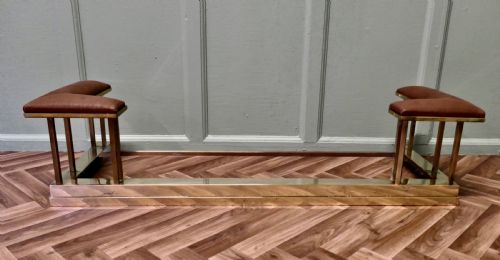
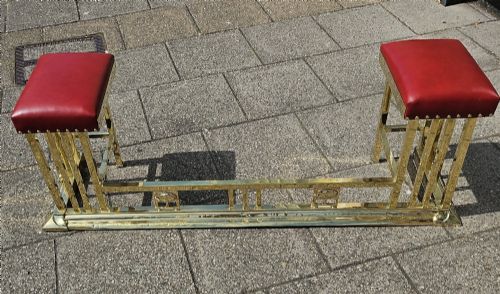
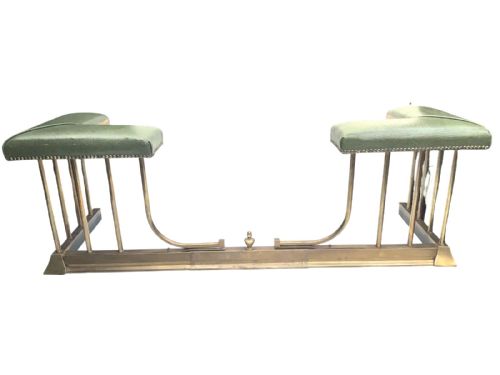
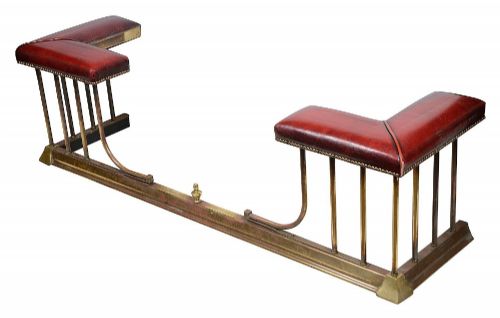
A fireplace fender seat acts as a physical barrier around a hearth while providing integrated seating for warming oneself by the fire. The pieces seen here span the nineteenth century through the Edwardian era and into the Art Deco period, capturing traditional English country house utility.
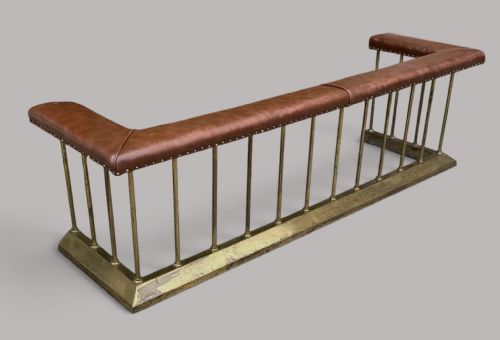
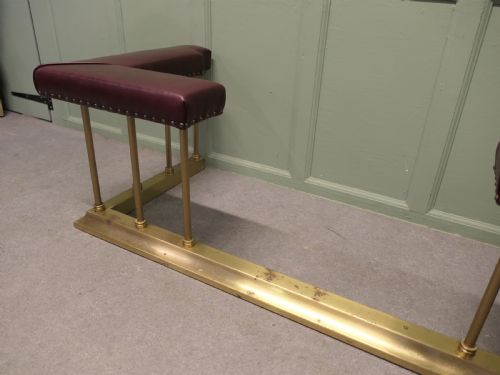
Most examples encountered on this page take the form of club fenders, combining metal frames with upholstered top rails. These structures range from substantial brass and steel designs to lighter wrought iron and carved oak frameworks.
Forms vary from compact hearth guards to long benches designed for spacious reception rooms. Buyers frequently select these items to anchor a period fireplace with functional seating that leaves the hearth partially visible.
Materials and construction
Makers constructed these frames using solid brass, cast steel, wrought iron, copper, and timber such as oak and mahogany. Metal components were often polished, silvered, or left in their natural dark state depending on the prevailing style.
Seating rails were upholstered in leather, frequently featuring buttoned Chesterfield detailing in tan or green hides. Frames combined riveted or screwed metal joints with sturdy wooden foundations to withstand the heat and daily use by the hearth.
Listings here feature brass, steel, iron, oak, and leather across Victorian, Edwardian, and Art Deco periods.
Judging quality
Quality rests upon the heft of the metalwork and the rigidity of the frame construction. Substantial gauge brass and heavy cast steel indicate superior manufacture compared to lighter, thinner alternatives.
The refinement of the upholstery work and the depth of the timber carving dictate the tier of the piece. Well-executed leather buttoning and sturdy joinery separate utilitarian hearth guards from fine decorative examples.
William Birch
The Fireplace Fender Seat Glossary
- Club fender
- A low metal frame surrounding a fireplace hearth, topped with upholstered seats for fireside conversation. These pieces originated in gentlemen's clubs before entering domestic country houses.
- Chesterfield seat
- A deep-buttoned upholstered cushion style commonly utilised on the top rails of club fenders. This finish provides both firm support and traditional aesthetic appeal.
- Extender
- A mechanical adjustment mechanism allowing the fender width to alter to fit different hearth dimensions. Such components demonstrate functional versatility in period hardware.
- Wrought iron
- Iron heated and hammered into shape by a smith, producing tactile texture and strong structural support. This material appears frequently in Arts and Crafts and traditional designs.
Fireplace Fender Seat: Frequently Asked Questions
What is a fireplace fender seat?
A fireplace fender seat is a combined hearth guard and low bench built to sit directly around an open fire. It protects the room from stray embers while offering a warm seat close to the flames.
These fixtures became popular in British homes during the Victorian and Edwardian eras, merging metalwork frames with upholstered leather cushions. They remain a practical addition to period hearths.
How do I choose the right size?
Measure the width and depth of your hearth surround carefully before selecting a fender. Ensure there is adequate clearance between the metal frame and the fire opening for safety.
Consider whether you require a fixed frame or an adjustable version to achieve the correct fit against the chimney breast. The proportions should complement the scale of the fireplace mantel.
How do I care for the leather?
Clean the leather seat tops gently with a soft dry cloth and nourish the hide periodically with appropriate leather balm. Avoid placing the fender too close to excessive direct heat sources that might dry out the material.
Check the metal components regularly and dust brass or steel frames with a dry cloth to preserve their surface finish. Gentle maintenance preserves the natural patina accumulated over decades of use.
How are different periods identified?
Victorian examples often display heavy brass construction with deep buttoned leather, while Edwardian pieces can be lighter in proportion. Art Deco variants introduce geometric lines and specific metallic finishes typical of the nineteen-twenties.
Examining the underlying materials, fastening methods, and upholstery styles helps determine the era of manufacture. Oak and Arts and Crafts examples often feature hand-carved details characteristic of the turn of the twentieth century.