



Fireplace Bench
A fireplace bench offers low, sturdy seating directly beside the hearth, combining metal or timber frames with upholstered tops.
Fireplace Bench
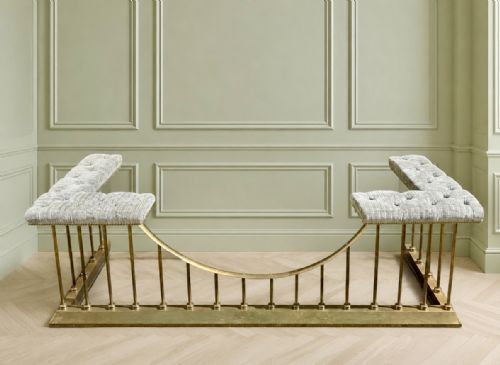
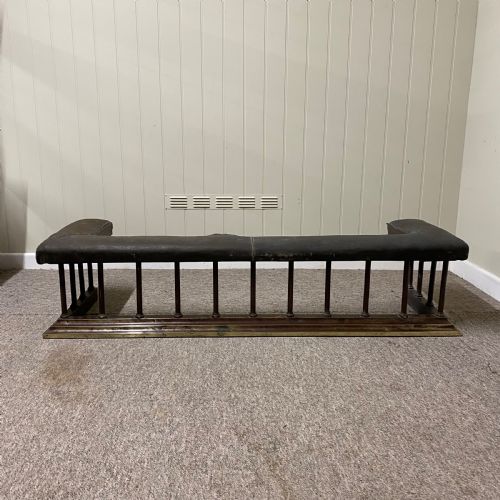
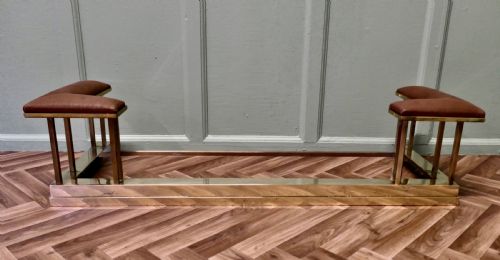
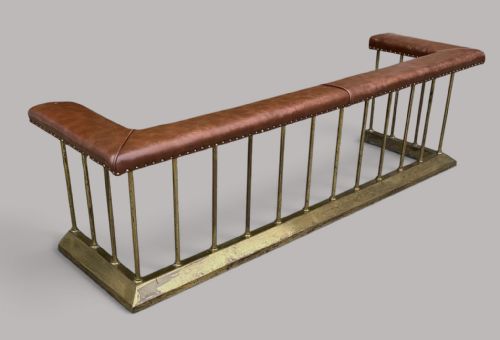
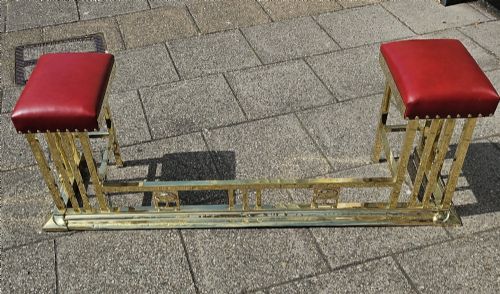
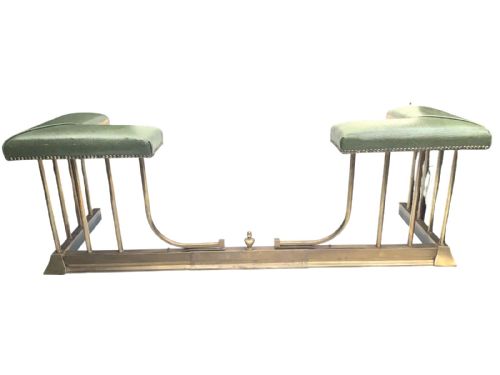
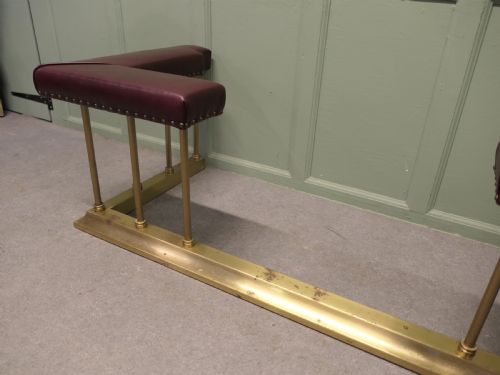
A fireplace bench most commonly takes the form of a club fender, placing cushioned corner seats upon a low metal or wooden frame designed to surround the hearth. These pieces serve as functional fireside furniture, allowing warmth to reach seated occupants directly while protecting the room from stray embers.
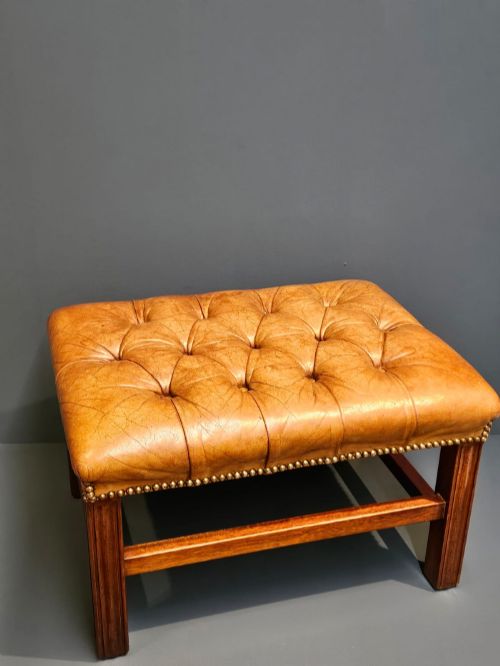
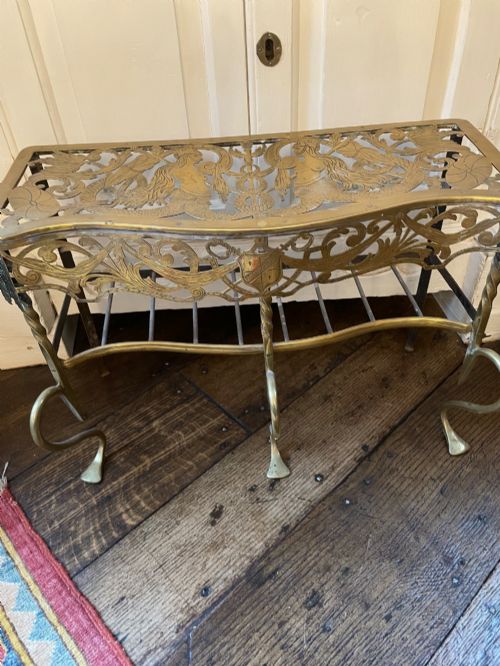
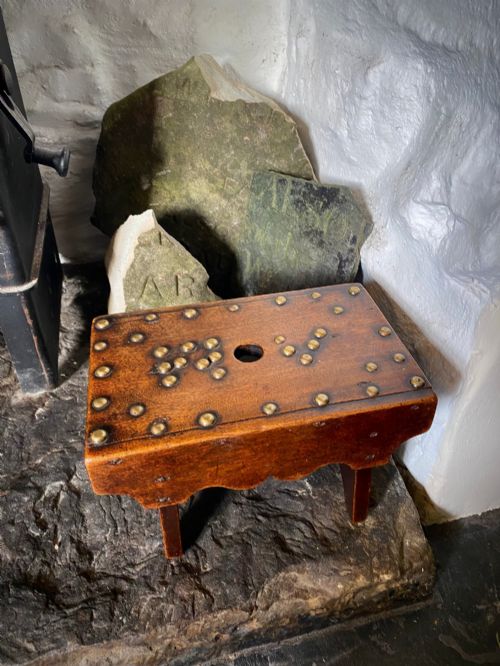
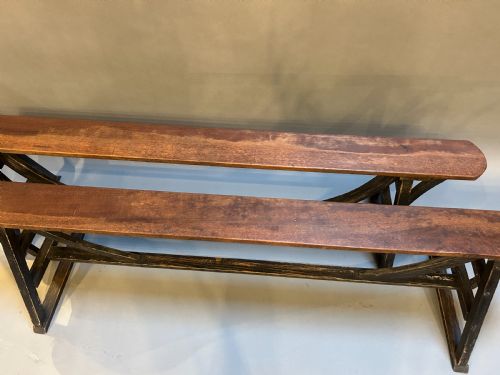
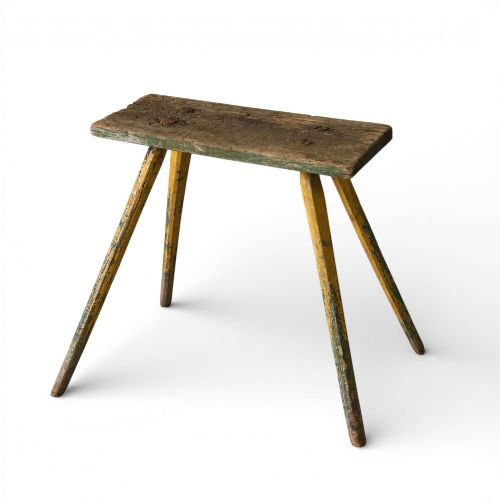
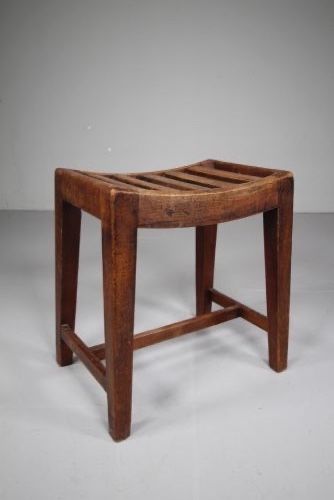
The selections span various eras from the eighteenth century onwards, including substantial Victorian brass designs, Edwardian ironwork, and streamlined Art Deco models. Alongside club fenders, buyers encounter low footstools, fender stools, and rustic wooden benches derived from country house and farmhouse traditions.
How they were made
Makers constructed the structural frames of these pieces using durable metals such as brass, wrought iron, steel, and copper, paired with substantial timbers including mahogany, oak, walnut, and pine. Metal frames often featured riveted joints and cast components, while wooden examples employed traditional joinery.
Seating surfaces utilised hard-wearing materials like mature tan leather, green leather, kilim textiles, and original fabric over supportive padding. These combinations ensured the furniture could withstand the heat and heavy use associated with daily hearthside habitation.
Fireplace Bench Retail Price Guide 2026
Typical asking prices for fireplace bench among the pieces listed under this phrase on Sellingantiques today, from the lower quarter to the upper quarter. They describe what is for sale here now, not the wider market.
Materials span brass, wrought iron, steel, mahogany, walnut, oak, leather, and various woven textiles.
What varies in quality
Quality reveals itself in the weight and gauge of the metalwork or the density and grain of the timber frame. Substantial brass columns, heavy iron structures, and thick mahogany or walnut timbers denote superior manufacturing standard.
The integrity of the upholstery materials, from thick leather hides to specialised textiles, separates standard examples from exceptional ones. Original patination and intact structural elements further distinguish pieces that retain their authentic character.
William Birch
The Fireplace Bench Glossary
- Club fender
- A low, U-shaped seat surrounding a fireplace, typically featuring padded leather top rails supported by metal spindles. This design allows people to sit close to the hearth.
- Fender stool
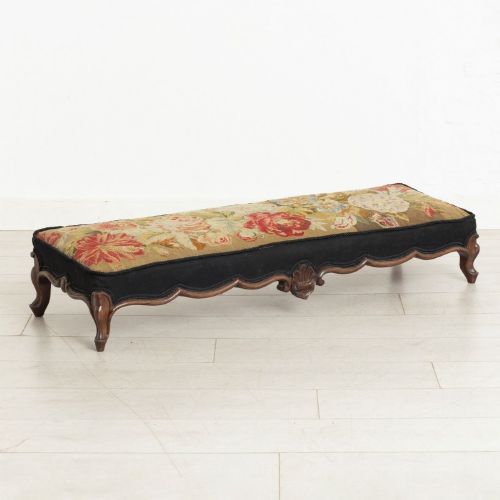
- A low upholstered seat designed to fit tightly against or around a hearth perimeter. These benches utilise short legs and long rectangular proportions.
- Cabriole leg
- A furniture leg that curves outward in a convex arc before tapering inward in a concave sweep. This decorative form appears frequently on walnut footstools.
- Kilim
- A flatwoven textile originating from the Middle East or Eastern Europe, utilised as durable upholstery material on nineteenth-century footstools.
Fireplace Bench: Frequently Asked Questions
What is a club fender?
A club fender is a low, cushioned seat built around a fireplace hearth. It provides comfortable seating directly beside the fire.
Originating in British homes, these metal or wooden structures allowed occupants to warm themselves efficiently without blocking the heat.
How do I date a brass fireplace bench?
Dating relies on examining the construction methods, metal patination, and stylistic details of the frame. Victorian examples often feature heavy brass spindles and buttoned leather.
Later pieces incorporate Art Deco geometric lines or simpler Edwardian supports. Comparing the materials to known period pieces helps confirm the age.
Can these benches be used with modern fires?
These benches suit modern living rooms provided the hearth dimensions accommodate the frame. They function well as low occasional seating or window benches.
Care should be taken regarding heat exposure if placed directly against active open fires or modern stoves.
What materials are used for the seats?
Seats are traditionally upholstered in durable materials such as mature tan leather, green leather, and woven textiles like kilim. These choices resisted sparks and heavy wear.
Underneath the outer covering, traditional stuffing and sturdy wooden or metal foundations provided firm support.