




Fine Wood Bookcase
A fine wood bookcase brings warmth and structure to a room, offering practical storage alongside the quiet dignity of period timber.
Fine Wood Bookcase
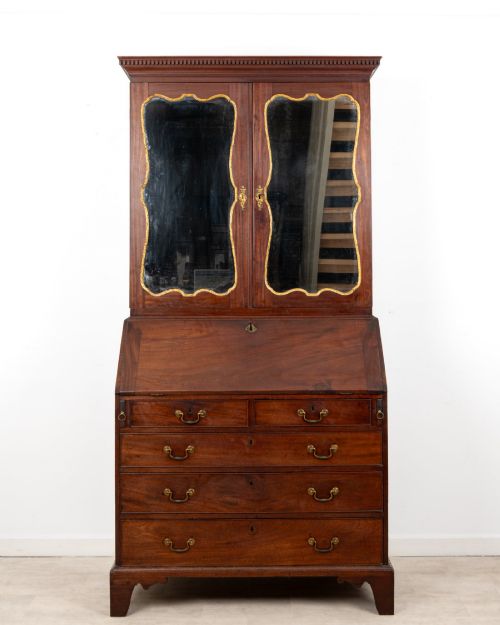
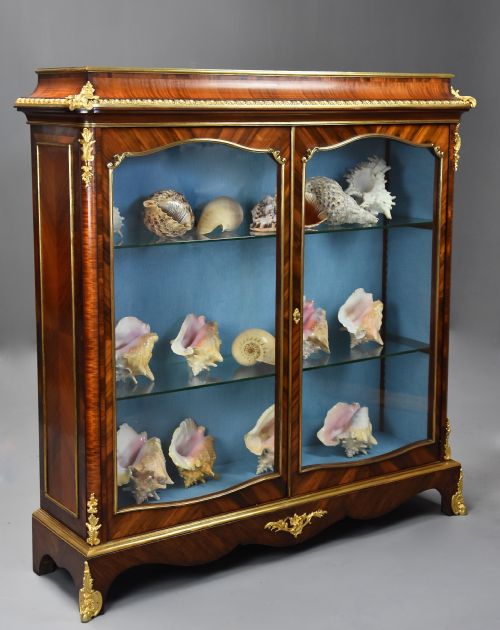
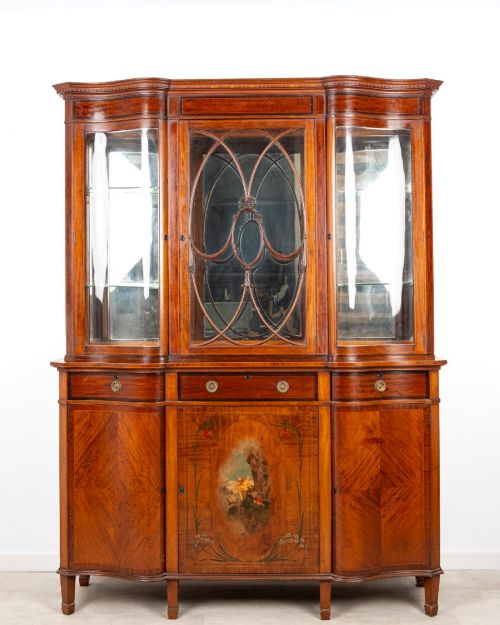
A fine wood bookcase encompasses a range of fitted shelving units, display cabinets, and bureau bookcases designed to hold volumes while anchoring a room's interior. Buyers searching for a fine wood bookcase will encounter traditional upright library cases alongside glazed display cabinets and bureau variants.
The selections span distinct historical eras, with pieces originating from the Georgian and Victorian periods, as well as Edwardian revivals. Mahogany predominates among the surviving examples, often accompanied by rosewood, satinwood, and walnut.
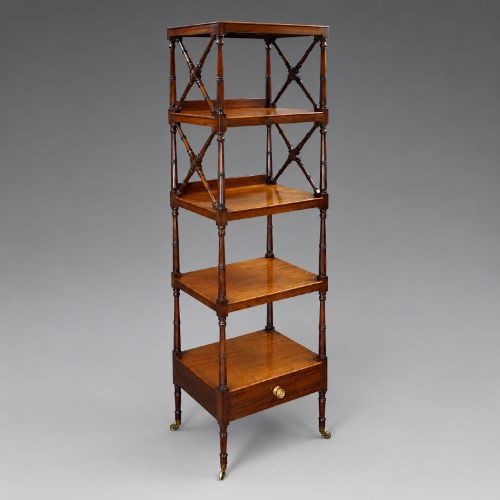
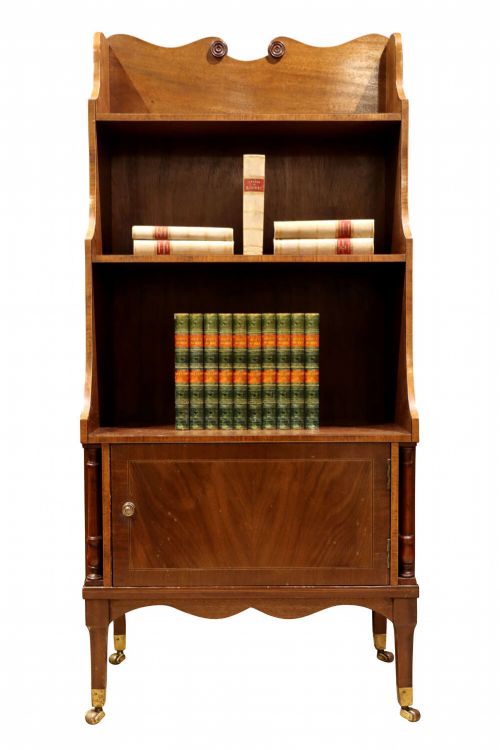
Forms vary from open shelf arrangements and corner cupboards to complex secretaire bookcases equipped with fitted desks. Many examples incorporate glass doors, brass castors, or inlaid decorative details characteristic of their respective periods.
How they were made
Construction relies heavily on solid mahogany, flame mahogany, and exotic veneers such as kingwood and satinwood applied to sturdy carcases. Cabinetmakers shaped these dense timbers using traditional joinery methods to ensure stability across large library cases and smaller display units alike.
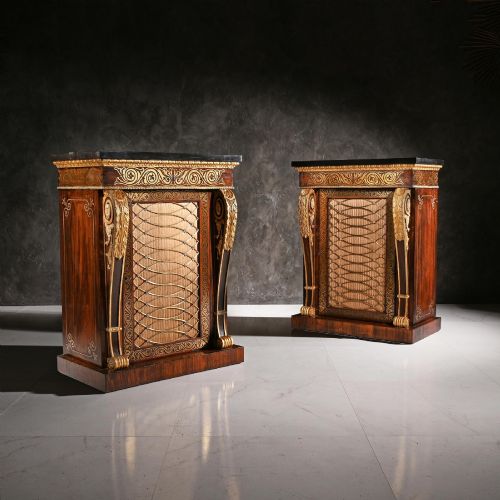
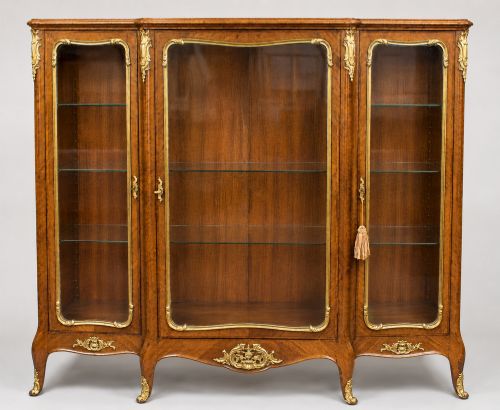
Decorative enhancement often involves intricate marquetry or inlay work using contrasting woods, complemented by cast brass handles, hinges, and castors. Ormolu mounts appear on several French-influenced cabinets, adding gilt metallic detail to curved kingwood surfaces.
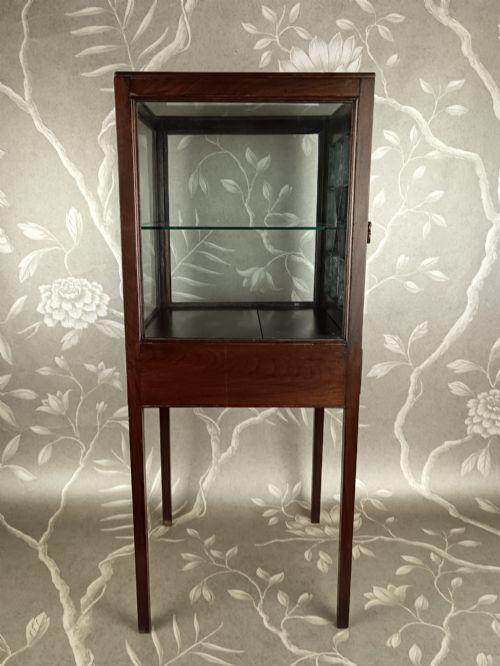
Glass panels are set into glazed wooden doors to protect volumes and display items from dust while maintaining visibility. Surface finishes rely on traditional polishing techniques that accentuate the natural grain and depth of the timber.
Fine Wood Bookcase Retail Price Guide 2026
Typical asking prices for fine wood bookcase among the pieces listed under this phrase on Sellingantiques today, from the lower quarter to the upper quarter. They describe what is for sale here now, not the wider market.
Listings feature mahogany, rosewood, and satinwood alongside specialised forms like the bureau bookcase and the waterfall bookcase.
What varies in quality
The distinction between standard utility and superior craftsmanship rests in the selection of the timber and the precision of the cabinetmaker's hand. Pieces fashioned from figured flame mahogany or finely matched satinwood demonstrate a higher ambition than those built from plain stock.
Refinement of detail marks the upper tier of these pieces, visible in the sharpness of inlaid borders, the integrity of ormolu mounts, and the integration of functional elements like adjustable shelving. The proportion and balance of pediments, cornices, and base mouldings further separate accomplished workshop output from simpler regional work.
Original hardware, sound glass, and intact internal fittings preserve the integrity of the piece over centuries. Alterations to interior configurations or replaced feet diminish the physical consistency that collectors value.
Edwards & Roberts
The Fine Wood Bookcase Glossary
- Secretaire bookcase
- A cabinet featuring a pull-out writing drawer or drop-front desk compartment concealed beneath upper bookshelves. This dual-purpose form allows a piece to function simultaneously as a writing desk and a library.
- Ormolu
- Gilt bronze mounts applied as decorative ornamentation to furniture surfaces. The technique gained particular prominence in French cabinet-making during the nineteenth century.
- Breakfront
- A piece of furniture where the central section projects forward from the flanking wings. This architectural arrangement creates depth and visual rhythm across large bookcases and display cabinets.
- Satinwood
- A lustrous, fine-grained hardwood native to India and the Caribbean, frequently utilised for pale yellow veneers and contrasting inlay work. It appears prominently on Edwardian and Sheraton revival pieces.
- Glazed bookcase
- A cabinet fitted with glass-panelled doors designed to safeguard books from dust and moisture. The framing timbers often incorporate fine astragal bars dividing the glass panes.
Fine Wood Bookcase: Frequently Asked Questions
How do I date a mahogany bookcase?
Dating relies upon examining construction methods, timber choice, and stylistic cues present in the cornices and feet. Earlier Georgian examples often display solid carcases and hand-cut dovetails, whereas later Victorian and Edwardian pieces incorporate machine-sawn elements.
Secondary woods used inside drawers also provide chronological clues. Oak and pine linings typically point to earlier British manufacturing, while later items may show standard commercial framing.
What is a bureau bookcase used for?
A bureau bookcase combines a functional writing desk with upper shelving for book storage. The sloping flap or pull-out drawer folds down to create a stable writing surface above fitted pigeonholes and small drawers.
This hybrid form served domestic and professional needs in studies and libraries where space efficiency mattered. The upper glazed or solid doors kept reference volumes protected when not in use.
Are shelves adjustable in antique bookcases?
Many larger library bookcases and display cabinets feature adjustable shelving supported by wooden ratchets, metal tracks, or brass pegs. This adaptability allowed owners to accommodate varying book sizes.
Earlier pieces often relied on fixed shelves secured permanently into the carcase sides. Surviving adjustable systems reflect a higher grade of manufacture intended for active home libraries.
How do I care for fine wood furniture?
Maintaining antique timber requires stable indoor humidity levels and protection from direct sunlight to prevent veneer cracking and fading. Regular dusting with a soft, dry cloth preserves the polished surface without introducing moisture.
Harsh chemical cleaners should be avoided in favour of traditional beeswax applications when the timber appears dry. Careful handling prevents damage to delicate ormolu mounts and inlaid stringing.