





Fine Porcelain Cup
A fine porcelain cup holds the quiet weight of centuries past, offering a tangible connection to the refined domestic rituals of Georgian drawing rooms and imperial courts.
Fine Porcelain Cup
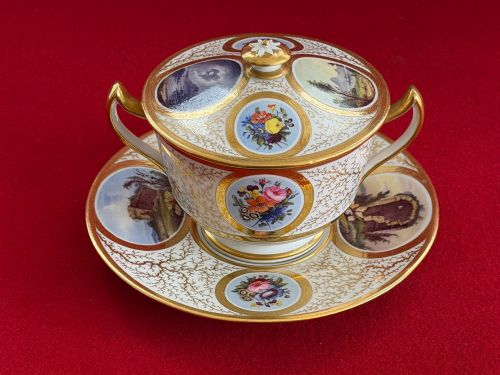
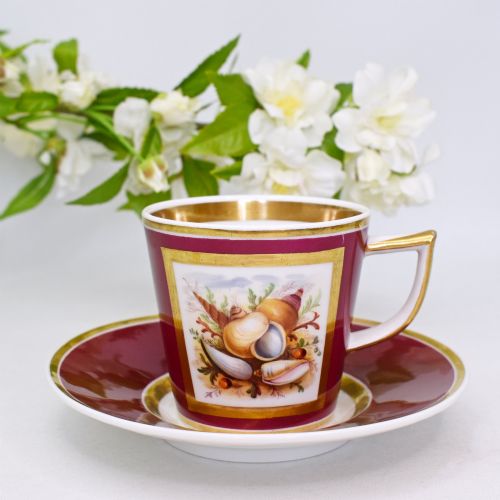
A fine porcelain cup represents a rich tradition of ceramic artistry, encompassing delicate teacups, robust porter mugs, and intricate chocolate cups with stands. These pieces span diverse eras from the eighteenth century through to the early twentieth century, reflecting shifting tastes in social hospitality.
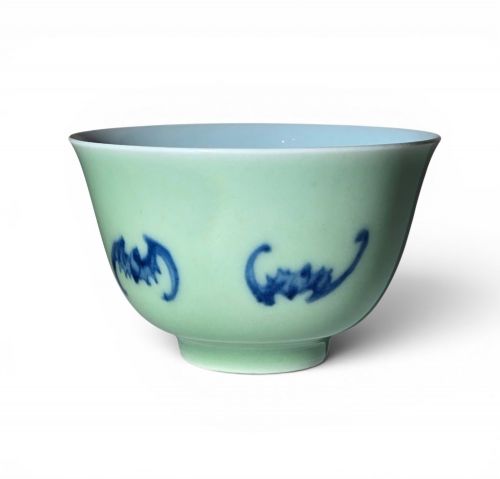
The versions most frequently encountered on this page originate from esteemed English factories such as Worcester, Derby, and Coalport, alongside Continental works like Meissen and KPM Berlin. Chinese export wares also appear, demonstrating the global exchange of ceramic styles over successive centuries.
Forms range from the capacious porter mugs designed for hearty morning brews to diminutive demitasse cups meant for strong coffee after dinner. Many survive alongside their original saucers or stands, preserving complete utilitarian sets intended for display and daily use.
Materials and Techniques
Makers utilised hard-paste and soft-paste porcelain bodies, alongside bone china, shaping each vessel upon the potter's wheel or casting them within meticulous moulds. These varied clay compositions determined the translucency and ring of the finished cup.
Decoration relied upon handpainted enamel scenes, cobalt underglaze pigments, and rich applications of gold leaf or gilt. Glazes were fired at high temperatures to seal the ceramic body and impart a smooth, vitreous finish.
Fine Porcelain Cup Retail Price Guide 2026
Typical asking prices for fine porcelain cup among the pieces listed under this phrase on Sellingantiques today, from the lower quarter to the upper quarter. They describe what is for sale here now, not the wider market.
One cheerful nineteenth-century cup depicts an exact view near Newark, proving that even morning porter drinking required local scenery.
Distinctions in Quality
The hierarchy of quality rests primarily upon the precision of the handpainted details and the purity of the porcelain body. Superior pieces exhibit crisp botanical or topographical painting, controlled gilding, and balanced proportions that speak to master craftsmanship.
Early wares demonstrate the technical challenges of eighteenth-century firing, where successful pieces achieved fine walls and stable glazing without warping. The inclusion of signed scenes, specific factory marks, or complete stands elevates the historical interest of the vessel.
Flight, Barr and Barr·Derby Porcelain·Rockingham·Grainger's Worcester·Coalport·Meissen·KPM Berlin·Royal Worcester
The Fine Porcelain Cup Glossary
- Hard-paste porcelain
- A dense, durable ceramic composed of kaolin and petuntse, fired at very high temperatures. This material resists scratching and shows high translucency.
- Demitasse
- A small cup used for serving black coffee or espresso, typically holding about half the volume of a standard teacup. They often appear alongside matching saucers in nineteenth-century services.
- Chinoiserie
- European artistic style reflecting Chinese motifs and decorative techniques, popular during the eighteenth century. Artisans applied these whimsical landscapes and figures to various ceramic forms.
- Underglaze blue
- A decorative technique where cobalt pigment is applied directly to the unfired ceramic body before glazing and firing. This process locks the blue colour permanently beneath the glassy surface layer.
- Porter mug
- A large, sturdy drinking vessel designed for malt liquors or porters, frequently produced by English porcelain factories during the Regency period.
Fine Porcelain Cup: Frequently Asked Questions
Were these cups meant for daily use?
Many nineteenth-century pieces served functional roles in wealthy households, from morning porter mugs to afternoon teacups. Their durable glaze protected the ceramic body from staining during regular consumption of tea, coffee, and chocolate.
Over time, changing social habits shifted many of these items into display cabinets. Today, collectors balance their preservation with occasional careful use during special gatherings.
How can I tell English porcelain from continental porcelain?
English factories often utilised bone china or soft-paste recipes during the Georgian and Regency eras, yielding a slightly warmer tone under the glaze. Continental makers like Meissen and KPM Berlin mastered hard-paste porcelain earlier, resulting in a colder, harder body with high brilliance.
Examining the base often reveals factory marks, pattern numbers, or symbols pressed into the paste. These distinct markers help separate Worcester and Derby productions from German or French works.
What is the difference between a teacup and a coffee cup?
Coffee cups from the eighteenth and nineteenth centuries were typically taller and straighter in profile, designed to retain heat for concentrated brews. Teacups tended to be wider and shallower, allowing the infusion to cool more comfortably for drinking.
Matching saucers often feature a central well shaped to secure the specific foot rim of its companion cup. This pairing ensured stability when servants carried the beverages across busy drawing rooms.