


Fine Jewellery Earrings
Fine jewellery earrings bring together precious stones and enduring metals across diverse historical periods.
Fine Jewellery Earrings
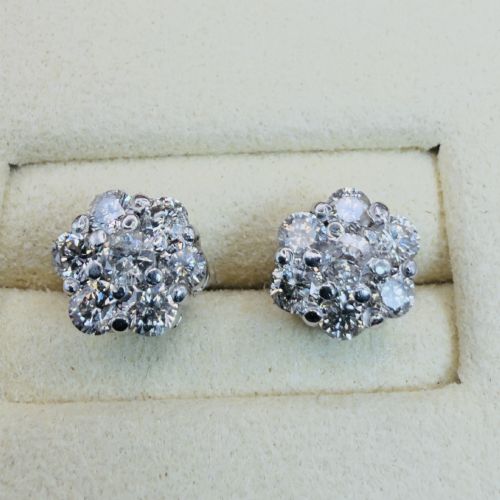
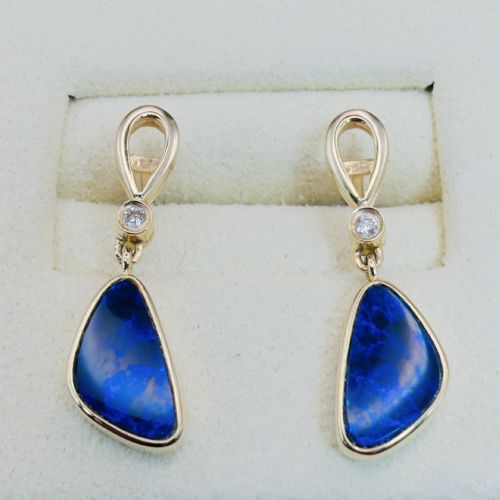
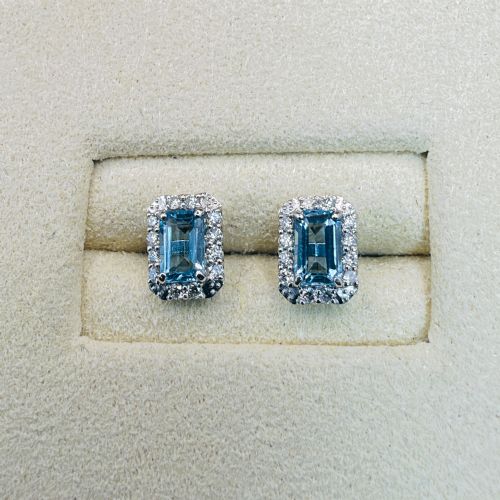
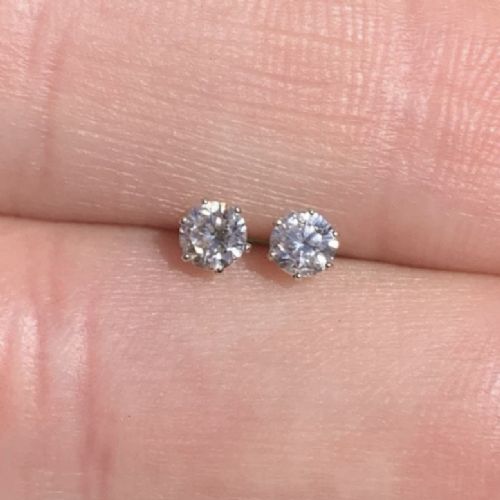
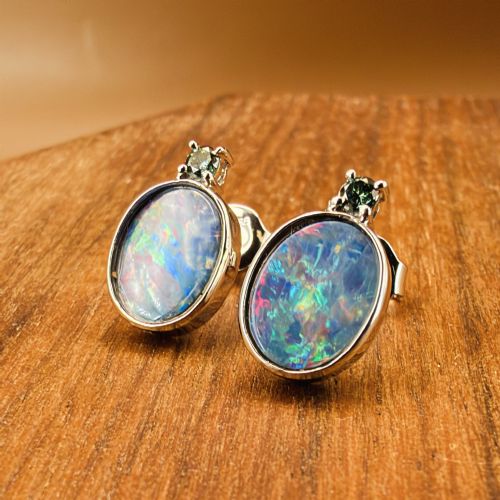
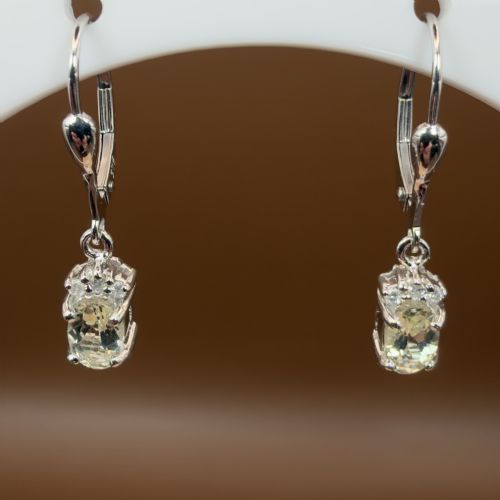
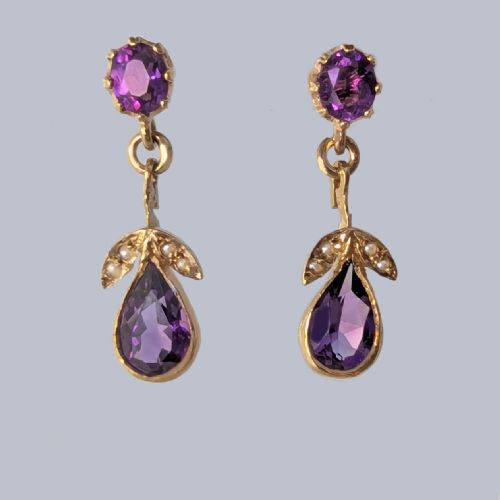
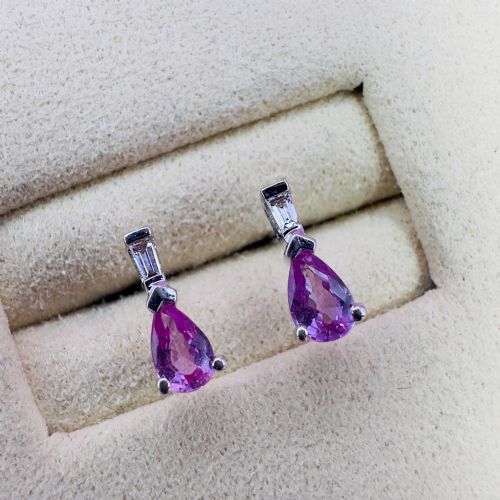
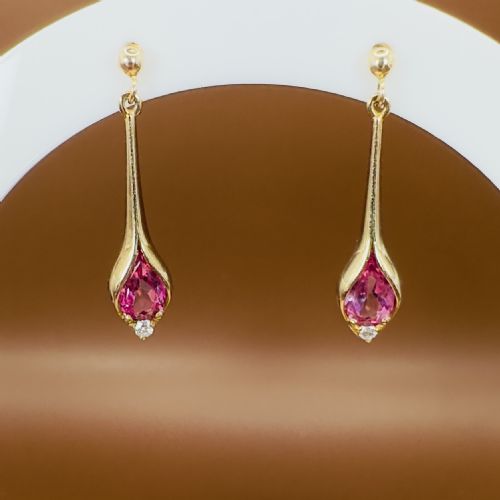
The most common items on this page are stud and drop earrings utilising yellow gold, white gold, or platinum as a base. Gemstones including diamonds, sapphires, emeralds, opals, and amethysts frequently define the visual character of these objects.
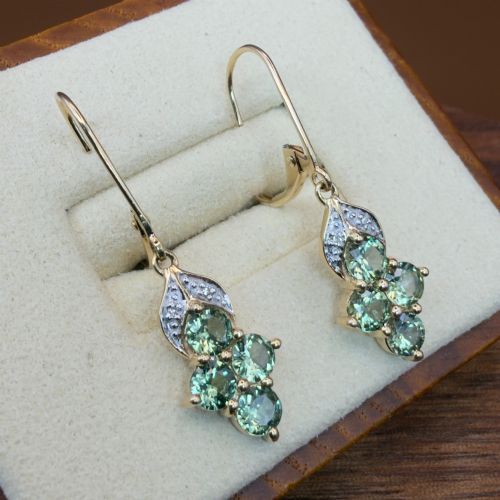
Examples range from simple diamond solitaires to intricate cluster designs incorporating pink sapphires, aquamarines, and baroque pearls. Buyers select these items for personal wear, collecting, or as part of matched jewellery suites.
How they were made
Maker construction relies heavily on precious metals like platinum, eighteen-carat white gold, and nine-carat yellow gold to secure the central gems. Silver mounts also appear in specific Edwardian pieces alongside gold work.
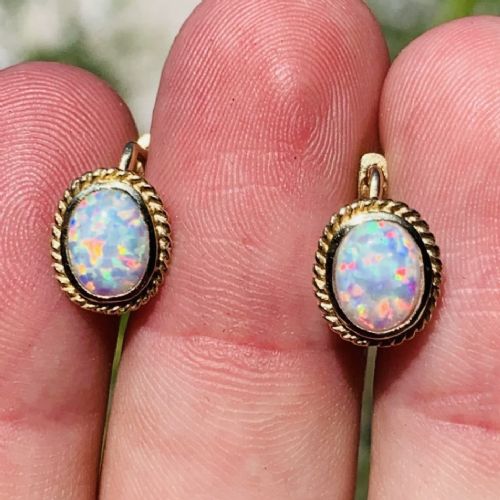
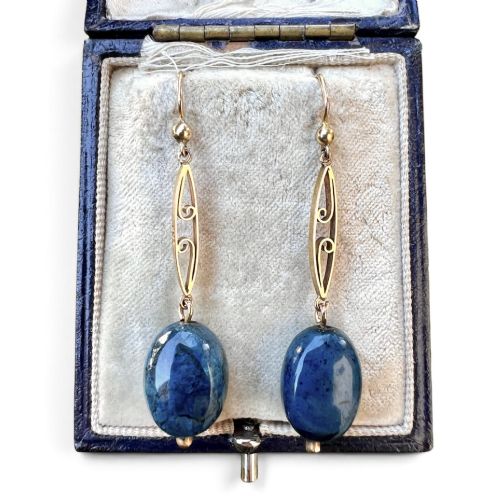
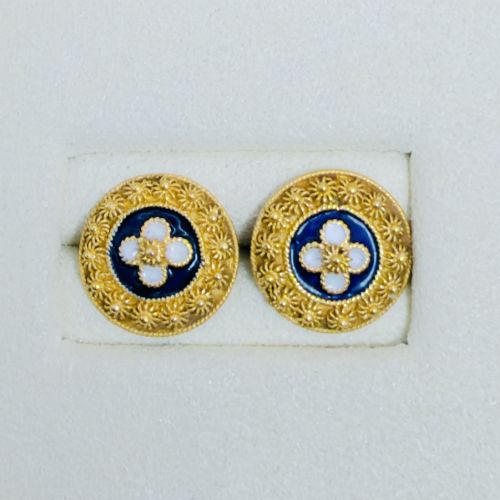
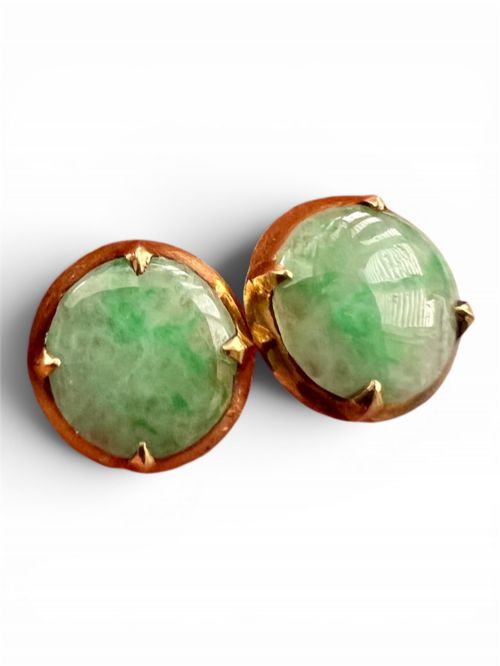
Gemstone cutting techniques dictate the profile of each earring, featuring emerald cuts, marquise cuts, pear cuts, and old cut diamonds. Settings incorporate intricate filigree work, rope twist borders, and cluster arrangements to support stones like black boulder opal, jadeite, and coral.
Fine Jewellery Earrings Retail Price Guide 2026
Typical asking prices for fine jewellery earrings among the pieces listed under this phrase on Sellingantiques today, from the lower quarter to the upper quarter. They describe what is for sale here now, not the wider market.
Listings feature items from the Edwardian period through to nineteen-sixty, utilising diamonds, platinum, and various gold purities.
What varies in quality
Quality differences rest on the grade and purity of the central gemstones, such as diamond clarity grades and the depth of colour in emeralds, sapphires, and opals. The selection of matching stones within a cluster or drop configuration also separates standard pieces from finer examples.
The precision of metalwork, including detailed filigree, secure settings, and the integration of specialised closures like screw backs or hinge backs, distinguishes the execution of the piece.
Andrew Grima
The Fine Jewellery Earrings Glossary
- Cluster
- A gemstone setting where a central stone is surrounded by a border of smaller stones. This arrangement maximises visual impact and light reflection.
- Hinge back
- A type of earring closure that uses a hinged wire clicking securely into place. It offers reliable fastening for drop and cluster designs.
- Cabochon
- A gemstone shaped and polished with a smooth, rounded surface rather than faceted edges. This cut is typical for opals, jadeite, and turquoise.
- Solitaire
- A single gemstone set on its own within the mounting. Diamonds are frequently utilised in this format for stud earrings.
- Old cut
- A vintage diamond cutting style characterised by a smaller table and higher crown. These stones display a distinctive pattern of light diffusion unique to earlier periods.
Fine Jewellery Earrings: Frequently Asked Questions
How do I care for antique earrings?
Precious metals and gemstones require gentle cleaning with a soft cloth and warm soapy water to maintain their finish. Avoid harsh chemical cleaners that may damage softer stones like pearls, opals, and corals.
Store each pair separately in a lined box to prevent scratching between items. Secure the hinge backs or screw backs carefully when putting them away.
What is the difference between stud and drop earrings?
Stud earrings sit directly on the earlobe without hanging down below the edge. They often feature solitaire or cluster designs that remain close to the skin.
Drop earrings extend past the earlobe, incorporating suspended stones or motifs that move with the wearer. These forms often utilise hinged wires or hooks for attachment.
How can I tell the period of a pair?
Period identification relies on observing the prevailing design styles, such as Edwardian platinum work or mid-century modern gold configurations. Hallmark stamps and specific gemstone cuts also provide reliable clues to the decade of origin.
Examining the underlying mounting techniques helps distinguish antique pieces from later revivals. Each era possesses distinct mechanical and aesthetic traits.
Are these pieces suitable for daily wear?
Many sturdy platinum and gold settings handle regular use well when handled with due care. Robust metals like eighteen-carat gold provide a strong foundation for daily activities.
Delicate stones such as pearls and opals need extra attention to avoid impact damage. Rotating pieces helps preserve their historical integrity over time.