




Diamond Ear Studs
Diamond ear studs are classic fixtures of jewellery boxes, combining timeless sparkle with the everyday utility of a secure, close-fitting design.
Diamond Ear Studs
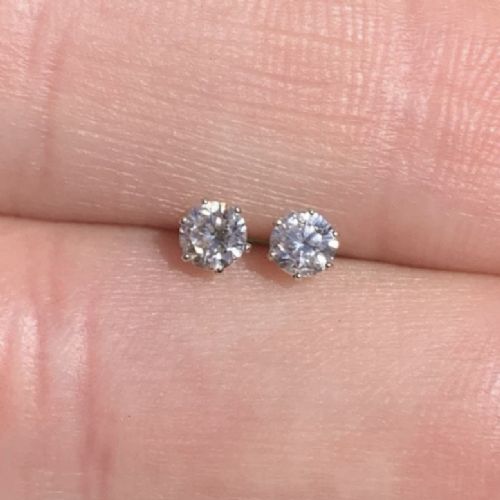
Diamond ear studs are enduring items of personal adornment designed to sit directly on the earlobe. The pieces gathered under this phrase range from modest solitaire stones in simple settings to elaborate multi-stone clusters and drops.
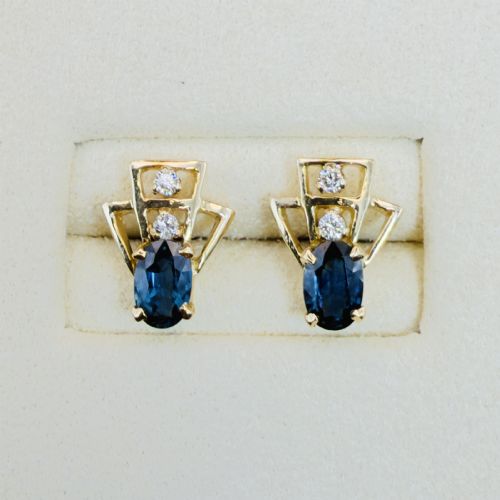
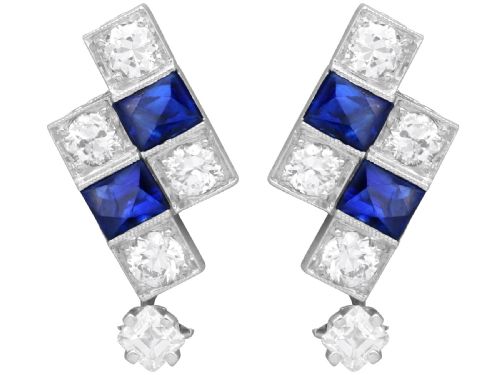
Buyers browsing this selection will encounter forms spanning several eras, with mid-century and art deco examples appearing frequently alongside Victorian and Edwardian pieces. These earrings pair diamonds with coloured gemstones including sapphires, emeralds, and aquamarines, or present the stones entirely on their own.
The materials framing these gems include platinum and various grades of gold, encompassing traditional yellow gold alongside white gold variations. Configurations range from straightforward claw-set solitaires to intricate floral clusters and geometric motifs.
How they were made
The construction of these earrings relies on precious metals such as platinum and 18ct, 14ct, or 9ct gold to securely house the principal gems. Platinum offers a durable, bright white setting for diamonds, while various gold alloys provide warm yellow tones or lighter silvery surfaces.
Stone cutting techniques vary across the periods represented, incorporating old cut diamonds, rose cut diamonds, and modern brilliant cuts. Settings utilise claw mounts, cluster arrangements, and secure screw backs or traditional posts to anchor the jewels to the wearer's ear.
Listings feature items from the Victorian, Edwardian, Art Deco, and Mid-Century periods, set in platinum and various gold purities.
What varies in quality
The overall merit of a pair of diamond ear studs rests on the brilliance and cut of the central stones, alongside the integrity of the metalwork. Older cut stones exhibit distinct hand-faceted patterns that catch candlelight differently than modern machine-cut gems.
The harmony between the primary diamond and any surrounding coloured gems, such as emeralds, sapphires, or pearls, dictates visual balance. Finer examples display meticulous claw work and robust settings that protect the girdle of each stone while minimising visible metal.
The Diamond Ear Studs Glossary
- Solitaire
- A mounting designed to hold a single gemstone. This setting maximises light entry through the sides of the diamond.
- Cluster
- An arrangement where a central stone is encircled by smaller gems. This style creates a larger visual presence on the earlobe.
- Old Cut
- A precursor to the modern brilliant cut diamond, shaped by hand with fewer facets and a smaller table. These stones possess a distinct charm under lower light conditions.
- Rose Cut
- An antique diamond cut featuring a flat base and a domed crown covered in triangular facets. It resembles an unopened rosebud.
- Claw Set
- A method of securing a gemstone using small metal prongs that grip the girdle. This technique allows maximum light to pass through the stone.
Diamond Ear Studs: Frequently Asked Questions
How do I wear diamond ear studs?
These pieces sit closely against the earlobe, making them versatile for both daily wear and formal evening occasions.
Their restrained profile allows them to complement other jewellery without competing for attention.
Are these earrings antique or modern?
The selection spans multiple eras, incorporating Victorian, Edwardian, and Art Deco designs alongside mid-century pieces.
Each period brings distinct metalwork techniques and stone cuts to the individual pairs.
What metals are used in these studs?
Makers utilised platinum alongside yellow and white gold in various purities, including 18ct, 14ct, and 9ct.
Platinum and white gold provide a neutral frame for colourless diamonds, while yellow gold offers a warmer contrast.
Do these studs feature coloured stones?
Many designs pair diamonds with contrasting gemstones such as sapphires, emeralds, aquamarines, and pearls.
These combinations reflect the aesthetic preferences of specific decorative periods like the art deco era.