




Fine Gold Engagement Ring
A fine gold engagement ring holds a century of design, bringing together polished precious metals and stones.
Fine Gold Engagement Ring
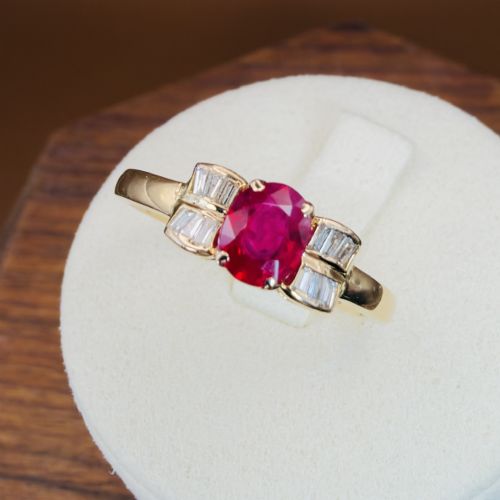
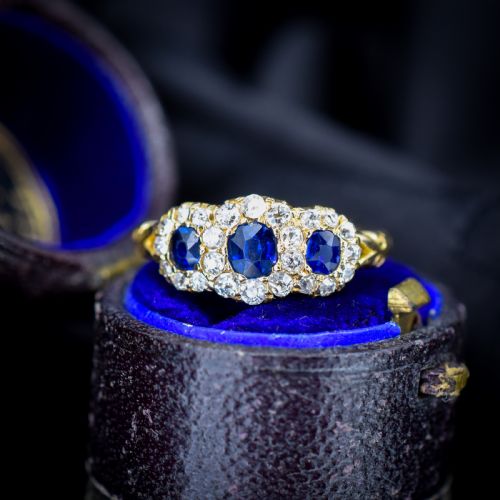
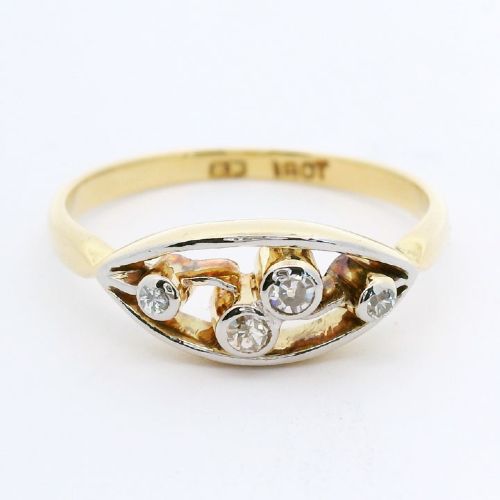
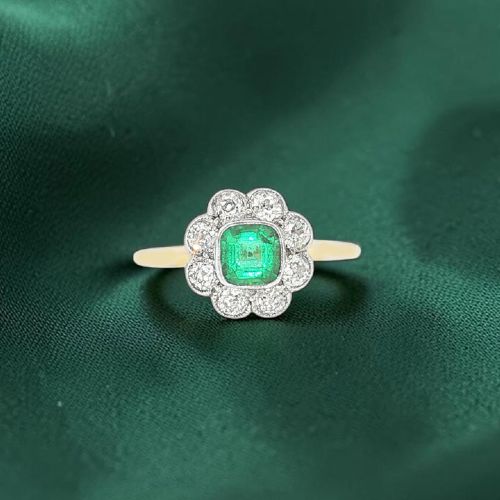
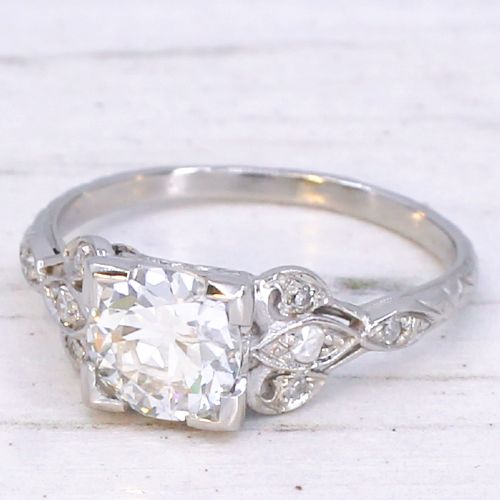
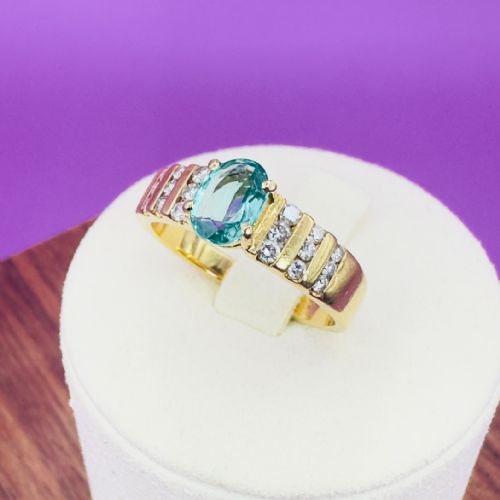
A fine gold engagement ring selection spans periods from the Victorian era through the Edwardian years and into mid-century modern design. Buyers seeking a fine gold engagement ring encounter clusters, solitaires, and multi-stone configurations set in yellow, white, and rose gold.
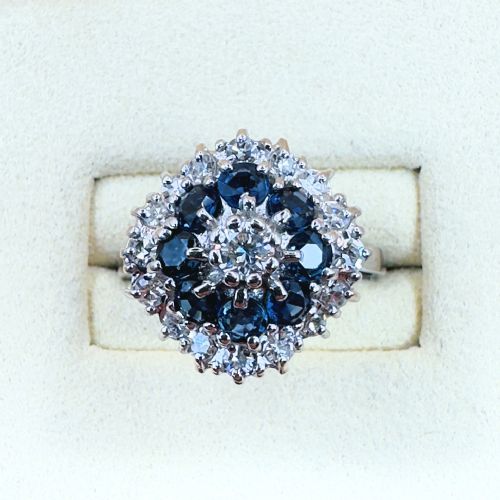
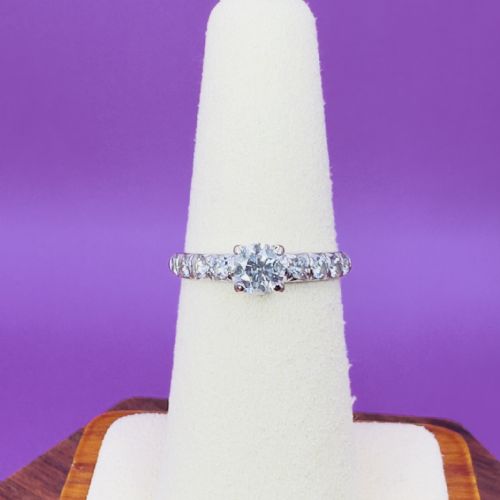
Cluster arrangements pair central diamonds or coloured gemstones with surrounding smaller stones, while solitaire forms focus attention on a single cut diamond or gemstone. The selection includes sapphire, ruby, emerald, opal, and turquoise alongside platinum and various carats of gold.
How they were made
Goldsmiths utilised 18ct gold, 14k gold, and 9ct gold alongside platinum to mount stones securely using claw settings and cluster formations. Metals appear in yellow, white, and rose variations, reflecting the changing aesthetic preferences of each decade.
Cut types recorded in the evidence range from old cut and brilliant cut diamonds to baguette, oval, princess, and emerald cuts. Gemstones such as sapphire, ruby, emerald, tanzanite, opal, and turquoise are integrated into structured metalwork.
Listings feature yellow, white, and rose 18ct gold alongside platinum, incorporating sapphires, rubies, and emeralds.
What varies in quality
The choice of central gemstone weight and clarity distinguishes individual pieces, with larger carat totals and old cut diamonds creating distinct visual impressions. Setting execution and the integration of shoulder stones also separate standard examples from finer works.
The preservation of original claw settings and the matching of surrounding cluster stones contribute to the overall character of each ring. Metal purity marks and period-specific mounting techniques provide context for evaluation.
The Fine Gold Engagement Ring Glossary
- Cluster ring
- A ring design featuring a central gemstone surrounded by a group of smaller stones. This layout maximises sparkle and visual presence on the hand.
- Old cut diamond
- A diamond cut by hand in earlier centuries with a smaller table and larger culet. These stones exhibit a distinctive pattern of light return compared to modern brilliant cuts.
- Solitaire
- A ring mounting holding a single gemstone as the primary focus. This style places emphasis on the quality and cut of the main stone.
- Shoulder stones
- Smaller diamonds or gemstones set into the band adjacent to the main setting. They add continuity to the design along the finger.
- Claw set
- A method of securing a gemstone using metal prongs that grip the girdle. This technique allows maximum light to enter the stone.
Fine Gold Engagement Ring: Frequently Asked Questions
How do I care for an antique ring?
Clean these pieces gently with soft materials and warm soapy water, avoiding harsh ultrasonic cleaners that can loosen older stones in their settings.
Remove rings during heavy manual work to protect delicate claws and softer gemstones from physical impacts.
Can these rings be resized?
Many gold and platinum bands can be adjusted by a skilled jeweler, depending on the complexity of the shoulder work and side stones.
Consult a specialist who understands period mounting techniques to ensure the structural integrity remains intact.
What periods do these rings represent?
The selection includes Victorian, Edwardian, Art Deco, and mid-century designs spanning from the late nineteenth century into the twentieth century.
Each era brings distinct stylistic elements, from intricate Edwardian clusters to streamlined mid-century solitaires.
How are different gold types used?
Yellow, white, and rose gold provide diverse background tones that complement specific gemstones like rubies, sapphires, and diamonds.
Platinum is also paired with gold to secure stones firmly while offering a bright white metal finish.