


Fine Gold Pendant
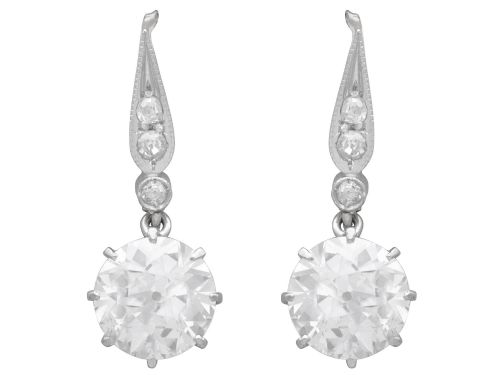
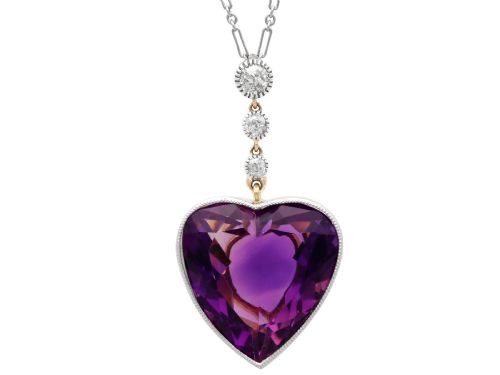
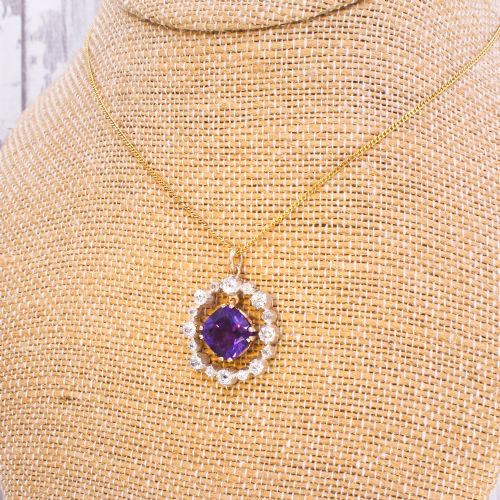
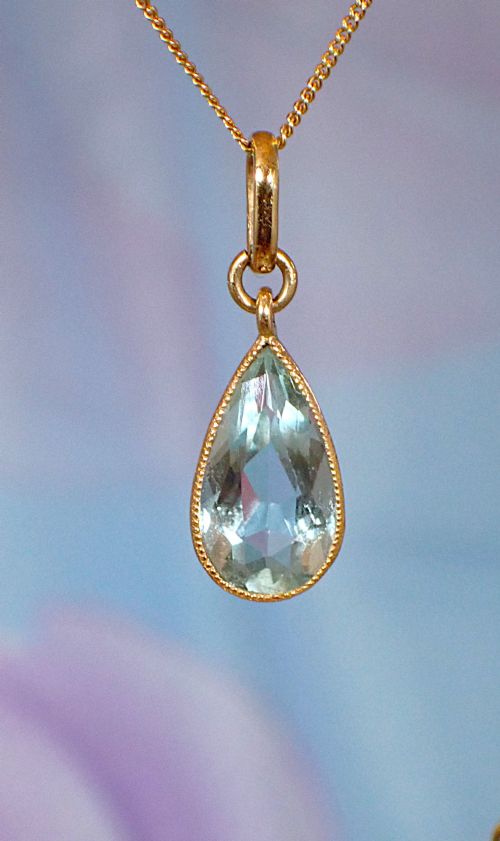
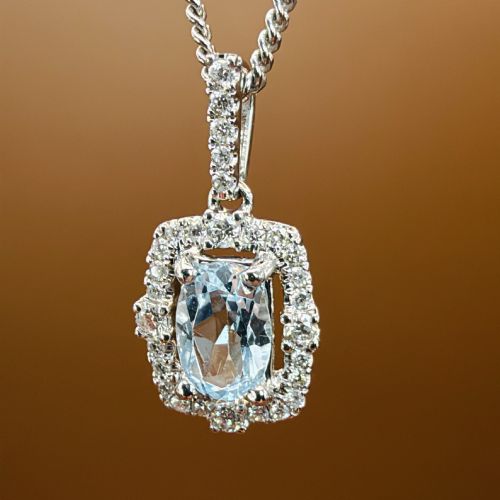
When you search for a fine gold antique pendant, you look at wearable history crafted in gold, diamond, pearl and amethyst from Georgian, Victorian, Edwardian and Art Deco periods.
Fine Gold Pendant
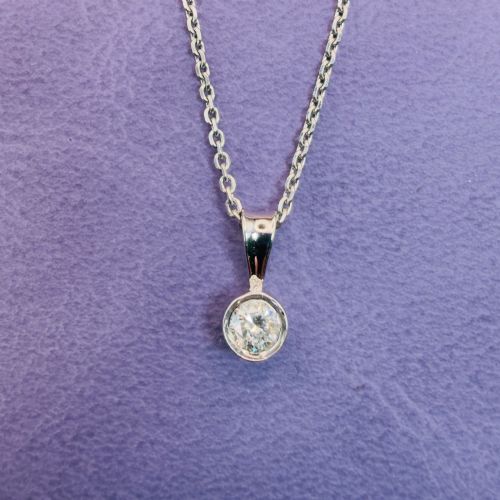
A fine gold antique pendant is a personal ornament designed to suspend from a chain, ribbon or collar around the neck. The selection includes drop pendants, lavalier necklaces, heart pendants, portrait miniatures and charm pendants spanning centuries of design.
You are most likely to meet pieces originating from the Edwardian era, the Victorian period and the Art Deco 1930s. These items frequently combine gold with gemstones such as diamond, sapphire, emerald, aquamarine and amethyst, alongside natural pearls and seed pearls.
Makers and goldsmiths utilised various gold purities, including 9ct, 14ct, 15ct, 18ct yellow and white gold, platinum, and gilt bronze. Alongside pendants, related jewellery forms such as drop earrings, brooches and necklaces appear across the collection.
How they were made
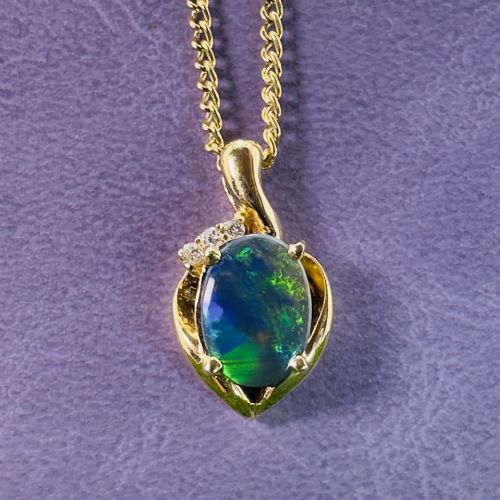
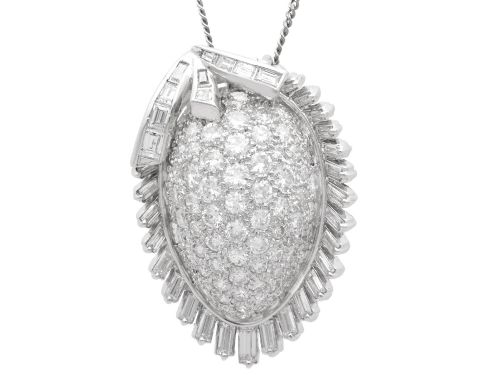
Goldsmiths worked with yellow gold, rose gold, white gold and platinum to construct secure settings for gemstones. Diamonds were cut in old cuts, while coloured stones like amethyst, sapphire and aquamarine were shaped into cabochons, drops or faceted clusters.
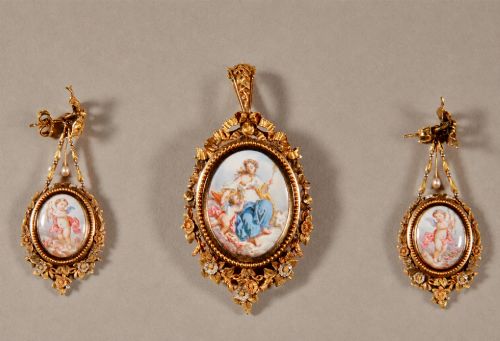
Detailed work involved silver foliate mounts, delicate seed pearl strings, plique-à-jour enamel, porcelain miniature paint work, and hand-painted portraits on agate panels. Construction often incorporated fine openwork, millegrain edges and hinged bails for suspension.
Fine Gold Pendant Retail Price Guide 2026
Typical asking prices for fine gold pendant among the pieces listed under this phrase on Sellingantiques today, from the lower quarter to the upper quarter. They describe what is for sale here now, not the wider market.
What varies in quality
Quality rests in the harmony of the design and the precision of the goldsmith's hand. Edwardian garlands, Art Deco geometries and Victorian settings show differing degrees of crispness in metalwork and stone alignment.
The choice of materials dictates distinction, from simple 9ct gold mounts to substantial carat diamonds, natural pearls and finely painted portrait miniatures. Original integrity, such as intact enamel and matching seed pearls, separates standard items from exceptional examples.
William Naish
The Fine Gold Pendant Glossary
- Lavalier
- A pendant style featuring a central stone or drop suspended below a main necklace chain, popular during the Edwardian period. This form swings freely with movement.
- Parure
- A matched set of jewellery intended to be worn together, typically comprising a necklace, earrings and a brooch or pendant. Complete sets in gold are exceptionally scarce.
- Plique-à-jour
- An enamelling technique where enamel is applied in cells without a backing, allowing light to shine through the transparent or translucent colour much like stained glass.
- Portrait miniature
- A small, highly detailed painting on ivory, porcelain, vellum or agate depicting a specific person. These were frequently housed within gold pendant lockets or frames.
- Seed pearl
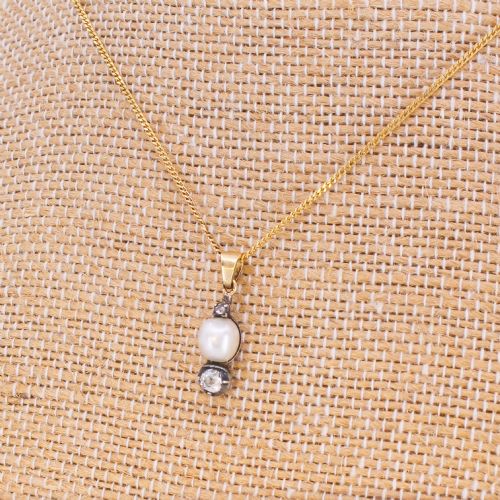
- Very small natural or cultured pearls used extensively in Victorian and Edwardian cluster and lavalier designs. They are typically threaded on silk or set closely in rows.
Fine Gold Pendant: Frequently Asked Questions
How do I wear an antique pendant today?
These pieces suit modern necklines when suspended from a compatible gold chain or ribbon. Pairing them thoughtfully allows the historic craftsmanship to remain the focal point of an outfit.
Heavier Edwardian and Art Deco designs require a sturdy gold chain to support the weight of the gold and gemstones safely during daily wear.
What is the difference between Edwardian and Art Deco pendants?
Edwardian pendants tend to feature delicate white gold or platinum lace work, garlands, bows and softer pastel stones like aquamarine and seed pearls. They reflect a graceful, romantic aesthetic.
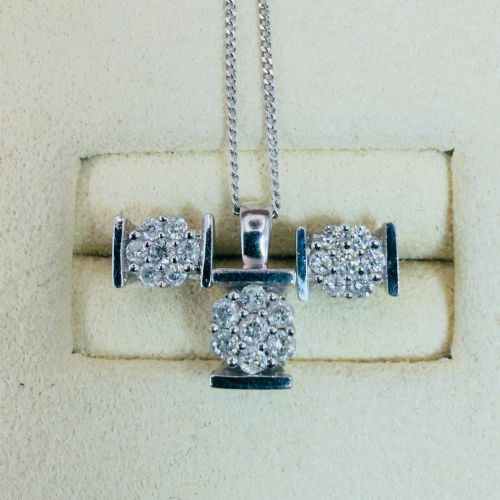
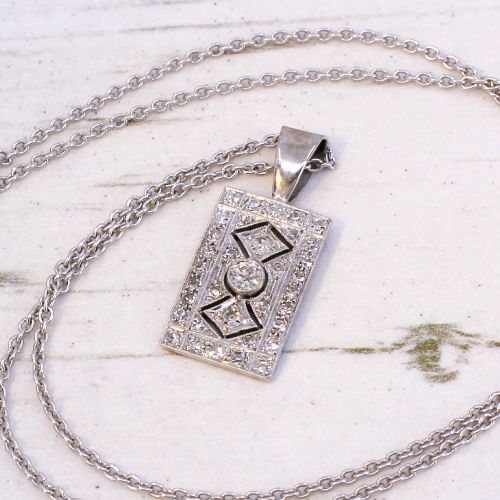
Art Deco pendants lean into geometric precision, strong lines and high-contrast diamond settings mounted in white gold or platinum during the 1920s and 1930s.
How were portrait miniature pendants used?
Portrait miniatures painted on ivory, porcelain or agate served as intimate tokens of affection, remembrance or status. Wealthy individuals wore likenesses of family members or naval officers close to the heart.
These painted panels were secured inside bespoke gold frames, often with glass fronts and hinged bails to function as wearable lockets or pendants.
How should I care for antique gold jewellery?
Gentle cleaning with a soft microfibre cloth preserves the gold surface without harming delicate seed pearls, enamel work or painted miniatures. Harsh chemical dips should be strictly avoided.
Store each pendant separately in a lined box to prevent scratching between gold mounts, gemstones and fragile elements like plique-à-jour enamel or portrait panels.