



Fine Gemstone Necklace
A fine gemstone necklace brings together coloured stones and precious metals across styles from the Edwardian era to the mid-twentieth century.
Fine Gemstone Necklace
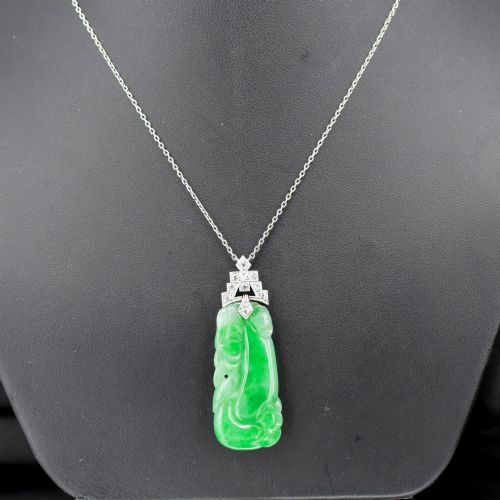
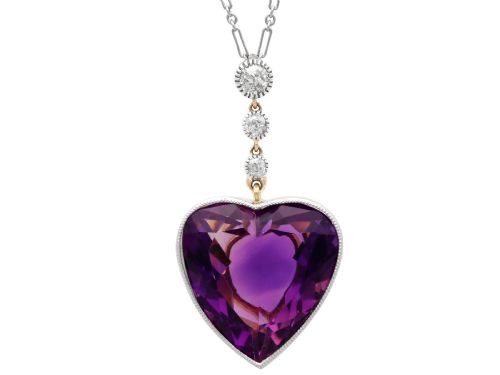
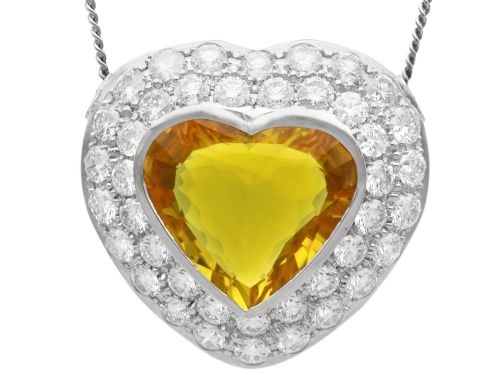
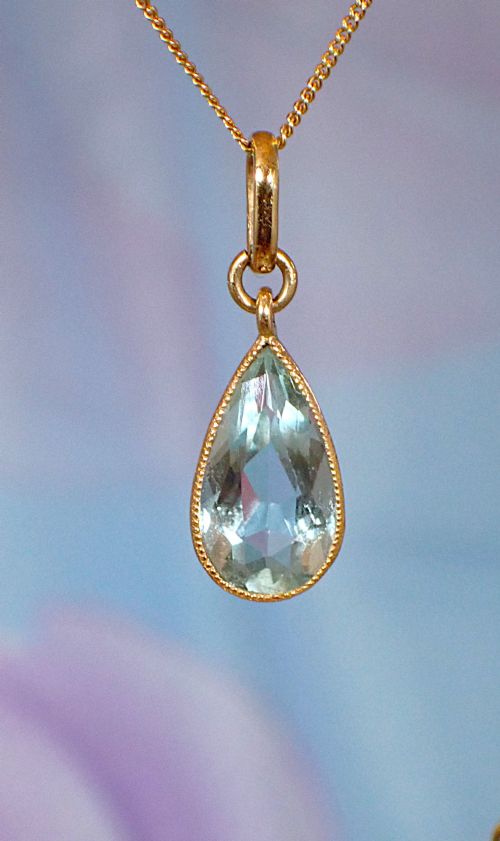
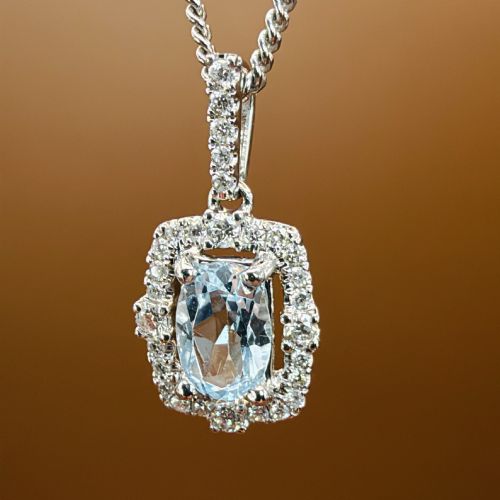
A fine gemstone necklace comprises pendant necklaces, lavaliers, and drop designs centred on coloured stones such as amethyst, aquamarine, sapphire, and opal. These pieces range from delicate Edwardian seed pearl creations to bold Art Deco platinum and diamond settings.
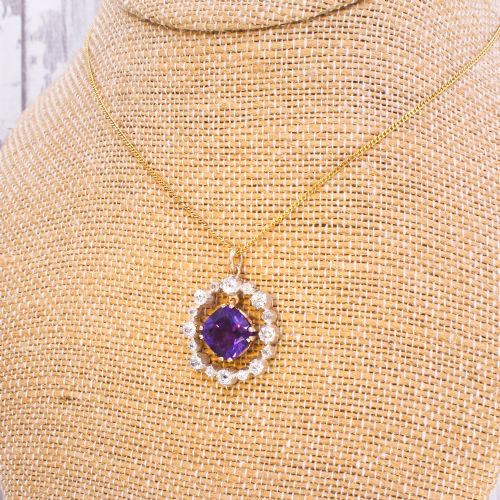
Buyers encounter numerous variations from the 1900s through to the 1960s, including multi-gem clusters and heart pendants in yellow gold, white gold, and platinum. Each era brings distinct characteristics, from organic Edwardian motifs to geometric mid-century lines.
How they were made
Goldsmiths utilised metals such as platinum, nine-carat, fifteen-carat, and eighteen-carat gold to set central gems alongside accent diamonds. Stones were shaped into cabochons, oval cuts, marquis cuts, and heart profiles, secured with traditional claws or bezels.
Intricate detailing involved seed pearls, openwork platinum frames, and delicate drops characteristic of the Edwardian and Art Deco periods. Artisans combined durability with fine aesthetics, mounting substantial aquamarines, amethysts, and sapphires on matching chains.
Fine Gemstone Necklace Retail Price Guide 2026
Typical asking prices for fine gemstone necklace among the pieces listed under this phrase on Sellingantiques today, from the lower quarter to the upper quarter. They describe what is for sale here now, not the wider market.
Current listings span the Edwardian era through the 1960s, featuring platinum and various gold purities paired with diamonds, amethysts, aquamarines, and sapphires.
What varies in quality
Quality rests in the weight, clarity, and colour saturation of the central gemstones, alongside the calibre of the surrounding diamond work. Substantial carat weights in sapphires, amethysts, and aquamarines elevate the stature of a piece significantly.
The choice of metal also dictates distinction, with platinum and higher-carat gold settings demonstrating superior craftsmanship compared to simpler nine-carat alternatives. Original condition and the integrity of delicate seed pearl work further differentiate standard examples from exceptional ones.
Carl Bucherer·Chaumet
The Fine Gemstone Necklace Glossary
- Lavalier
- A pendant necklace featuring a central stone with one or more smaller drops hanging below. This style was particularly popular during the Edwardian period.
- Cabochon
- A gemstone shaped and polished with a smooth, rounded surface rather than faceted. This cut is frequently utilised for opals, turmalines, and certain sapphires.
- Seed pearl
- A very small, naturally occurring or cultured pearl often drilled and strung in rows or used as delicate accents. They are characteristic of Edwardian jewellery.
- Cluster pendant
- A jewellery configuration where a prominent central gemstone is encircled by a border of smaller stones, typically diamonds or pearls.
Fine Gemstone Necklace: Frequently Asked Questions
How do I date a gemstone necklace?
Dating relies on identifying the prevailing metalwork styles, gemstone cuts, and clasp types typical of specific eras like Edwardian or Art Deco. Examination of hallmarks often confirms the specific decade or metal purity.
Comparing structural elements such as platinum mounting techniques or seed pearl arrangements helps place the piece within its historical manufacturing period.
What is a lavalier necklace?
A lavalier is a drop pendant style where a primary gemstone suspends additional stones or decorative elements below it. These designs flourished during the early twentieth century.
They are distinguished by their graceful movement and incorporation of delicate motifs typical of Edwardian and Art Nouveau periods.
How should I care for antique gemstone necklaces?
Maintenance requires gentle cleaning suitable for specific stones, as softer materials like opals and pearls demand particular care compared to diamonds and sapphires. Ultrasonic cleaners should be avoided for treated or organic gems.
Storing pieces individually in lined compartments prevents scratching between the metal settings and various gemstone surfaces.
Are platinum settings common in vintage necklaces?
Platinum settings appear frequently in pieces from the Art Deco period, valued for their strength and bright white finish that enhances diamonds and aquamarines. Earlier and later pieces often utilise yellow or white gold.
The metal choice frequently reflects the prevailing aesthetic and technical preferences of the decade in which the necklace was manufactured.