

Fine Gemstone Jewelry
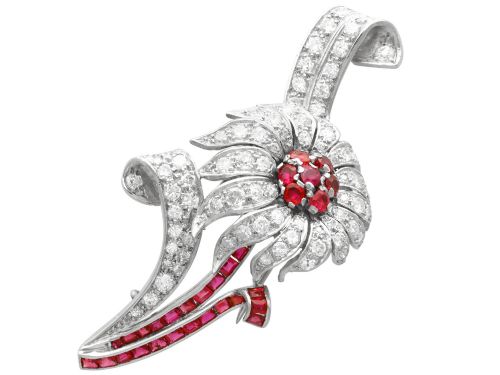
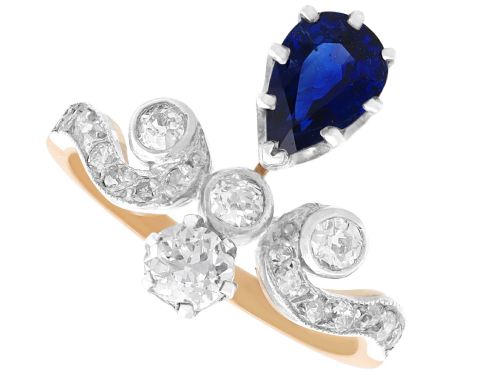
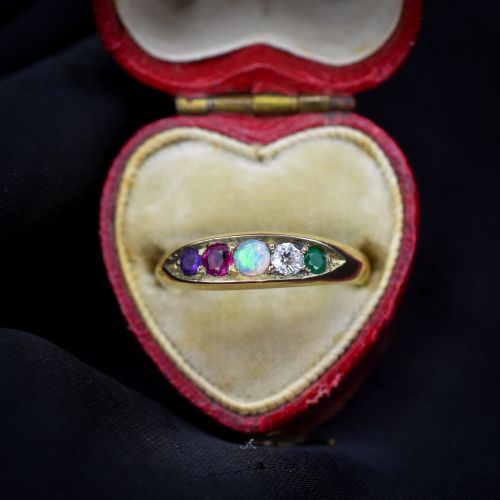
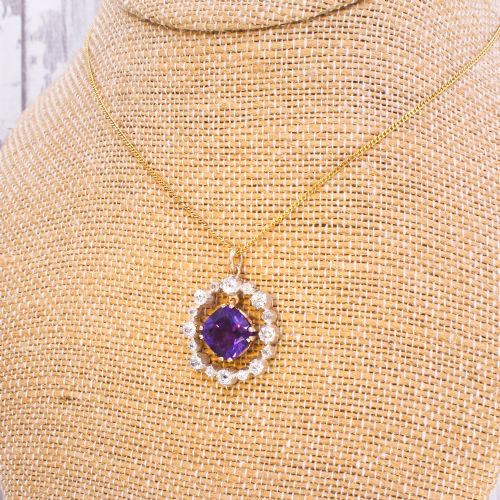
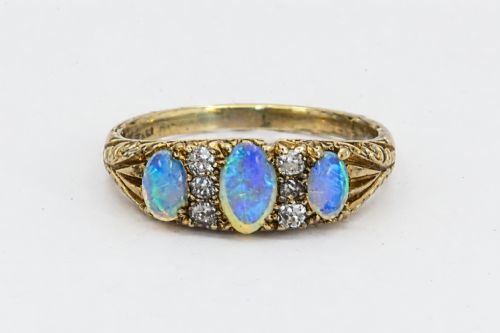
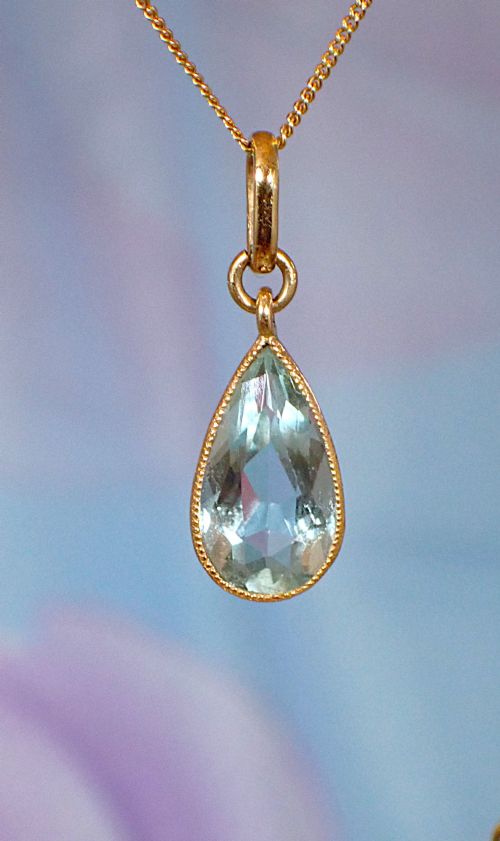
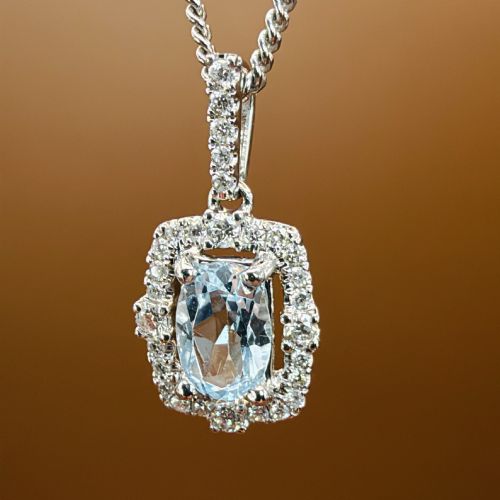
Fine gemstone jewellery encompasses rings, pendants, earrings, and brooches set with diamonds alongside sapphires, rubies, emeralds, opals, and amethysts across historic periods.
Fine Gemstone Jewelry
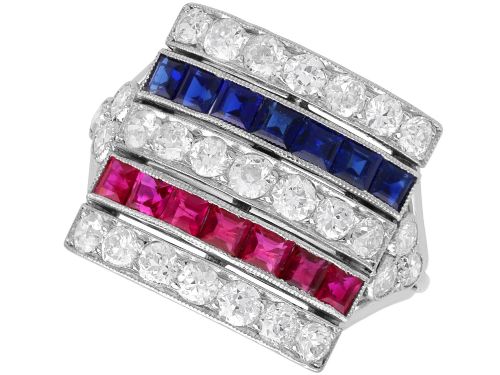
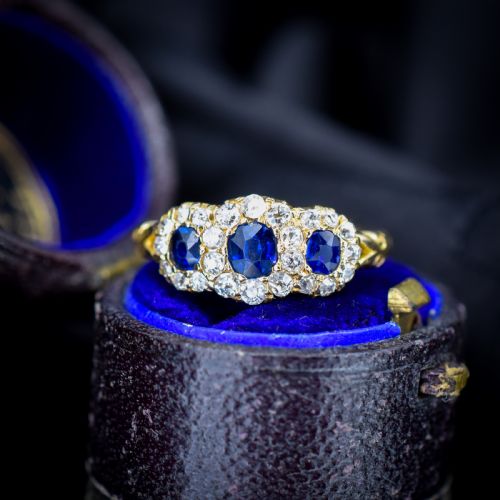
Fine gemstone jewellery brings together precious stones and noble metals in wearable forms ranging from Victorian multi-stone rings to mid-century cluster earrings. Pieces selected under fine gemstone jewellery include intricate Edwardian pendants, Art Deco platinum necklaces, and robust yellow gold bands set with coloured stones.
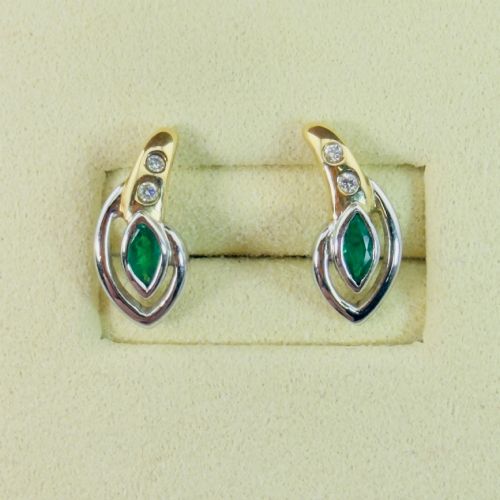
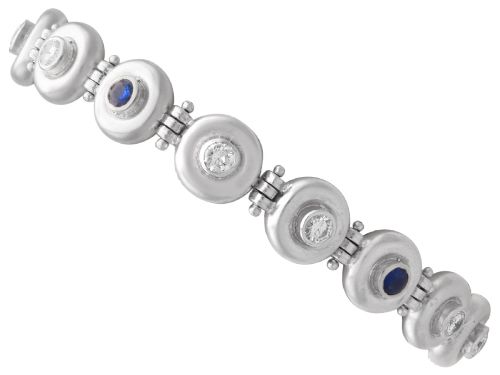
The selections span distinct historic eras, including Victorian, Edwardian, and Art Deco designs, alongside mid-century creations. Buyers encounter rings, drop earrings, stud earrings, bracelets, brooches, and pendant necklaces incorporating coloured gems with diamond accents.
How they were made
Metals such as platinum, 18ct gold, 14ct gold, and 9ct gold provide the structural foundation for these gems. Platinum prevails in the intricate settings of the Art Deco period, while yellow and white gold underpin Victorian and mid-century examples.
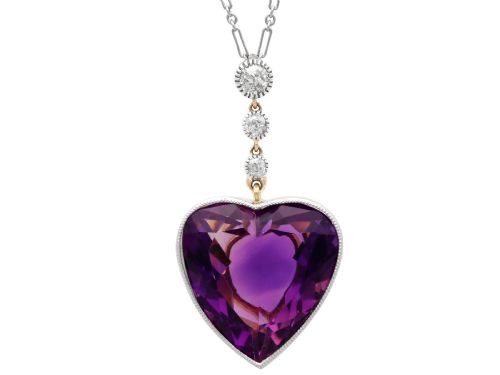
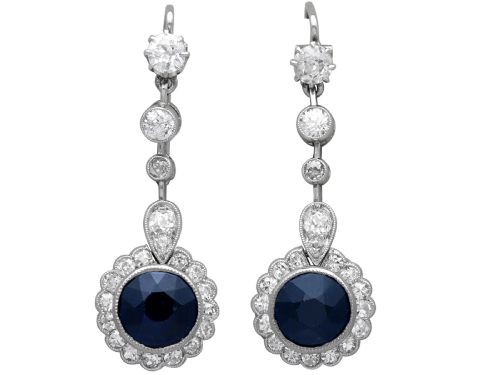
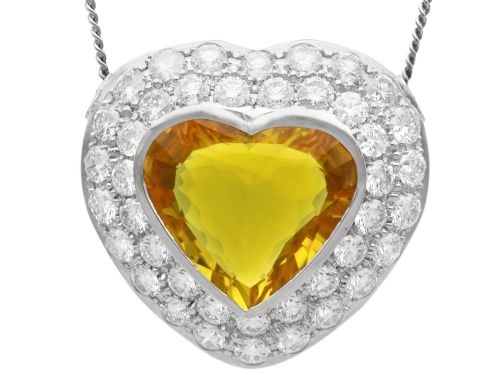
Gems including sapphires, emeralds, rubies, jade, opal, and amethyst are shaped into round, oval, marquis, pear, and cabochon cuts. These stones are secured in clusters, tiara arrangements, navette settings, and multi-stone rows alongside diamonds.
Fine Gemstone Jewelry Retail Price Guide 2026
Typical asking prices for fine gemstone jewelry among the pieces listed under this phrase on Sellingantiques today, from the lower quarter to the upper quarter. They describe what is for sale here now, not the wider market.
Materials documented across the inventory include jadeite, tsavorite garnet, and basaltic sapphire.
What varies in quality
The standard of fine gemstone jewellery rests on the depth of colour in the central stones, such as imperial jade or unheated rubies, paired with the precision of the surrounding diamond work. Master metalwork in platinum or high-karat gold secures each stone with delicate, even claw or bezel settings.
Design coherence separates standard workshop output from exceptional examples of periods like Art Deco or Edwardian grace. The balance between the central gemstone weight and the supporting diamond cluster dictates the visual harmony of the finished piece.
The Fine Gemstone Jewelry Glossary
- Navette
- A boat-shaped ring setting, also known as a marquise shape, pointed at both ends. It elongates the finger when worn.
- Cabochon
- A gemstone polished to a smooth, rounded dome rather than faceted with flat planes. This cut is common for opals, jade, and star stones.
- Tiara ring
- A ring styled with an upward-pointing arched gallery resembling a small diadem. These pieces often incorporate pearls, diamonds, and coloured gems.
- Cluster
- A central gemstone surrounded by a ring of smaller accent stones, typically diamonds. This arrangement maximises light reflection around the main gem.
Fine Gemstone Jewelry: Frequently Asked Questions
How do I care for opal jewelry?
Opals contain natural water content and require gentle cleaning with a soft cloth rather than harsh chemical dips. Store them away from direct heat and extreme dryness to preserve their internal play of colour.
Because opal is softer than diamond or sapphire, rings set with opals benefit from protective settings and careful daily wear.
What defines Art Deco jewelry?
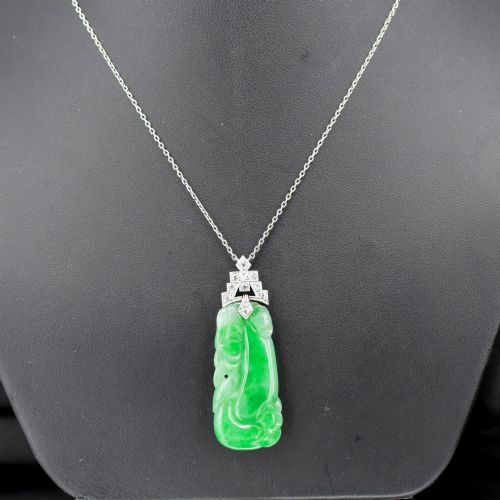
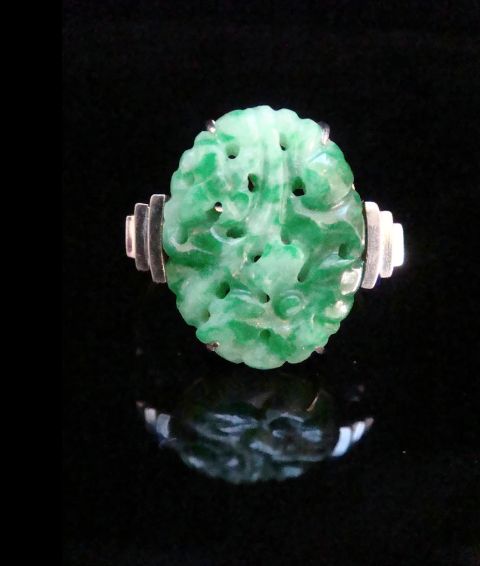
Art Deco pieces utilise geometric precision, clean vertical lines, and platinum settings. The style favours contrasting colour combinations, such as green jade alongside diamonds.
Master craftsmen of this era employed calibrated cut stones and openwork frames to create lightweight, high-impact designs.
Are these gemstones treated?
Historic pieces frequently feature stones in their natural state, though gem treatment methods vary by era and material. Specific listings note unheated stones where documented by period analysis.
Examination under magnification helps determine the natural origin and baseline characteristics of sapphires, rubies, and emeralds.
How do I identify Edwardian pieces?
Edwardian jewellery relies on delicate platinum and yellow gold frameworks resembling lace or garlands. Rose-cut diamonds, pearls, and aquamarines appear frequently in these light, airy designs.
Motifs from this period often incorporate floral elements and symmetrical drop configurations suited to evening wear.