
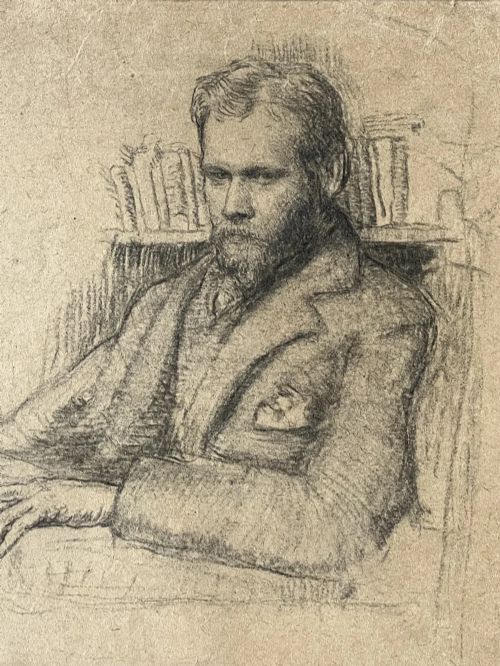
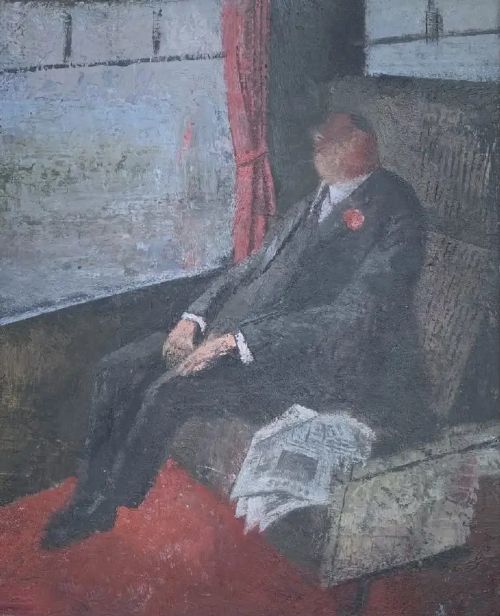
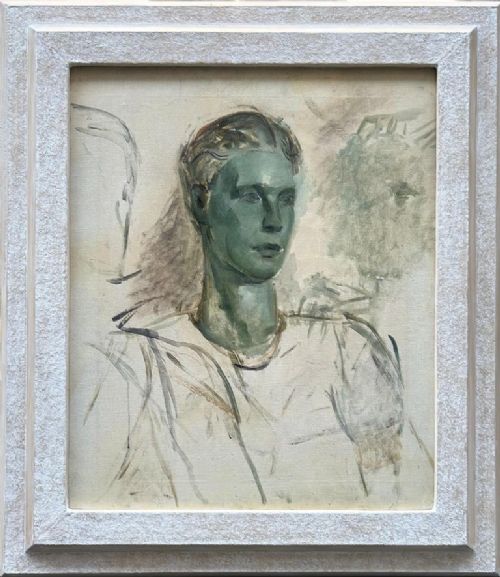
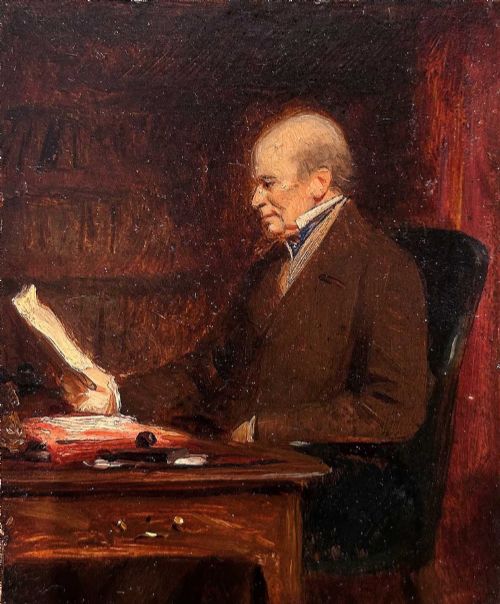

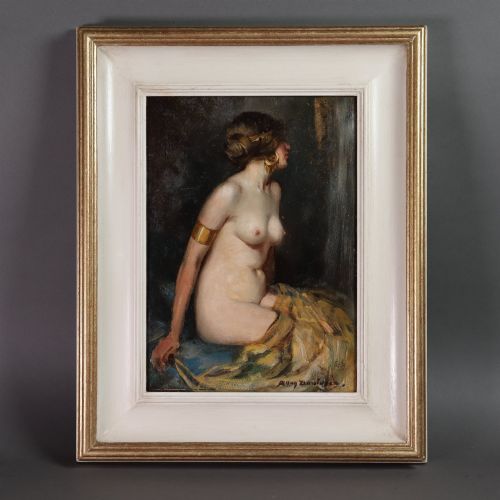


Fine Art Portrait Study
Fine art portrait study works offer direct insight into the methods of artists capturing human and animal subjects.
Fine Art Portrait Study
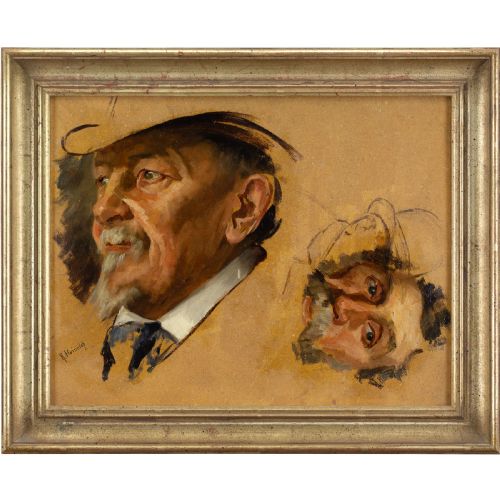
A fine art portrait study is an investigative work capturing the likeness, expression, or form of a sitter before the creation of a finished piece. These works record the immediate observations of the artist through various mediums across multiple centuries.
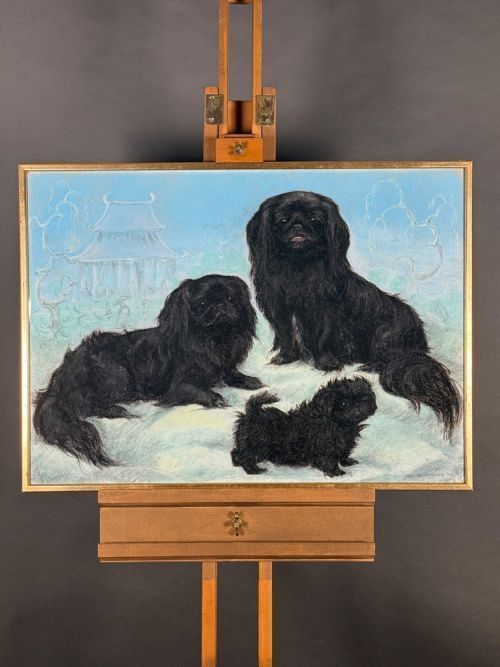
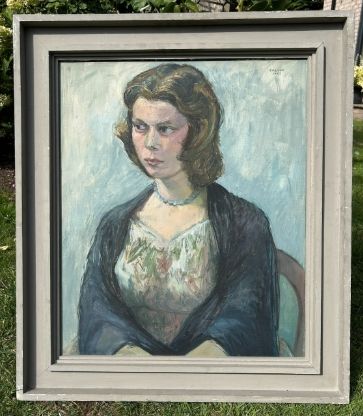
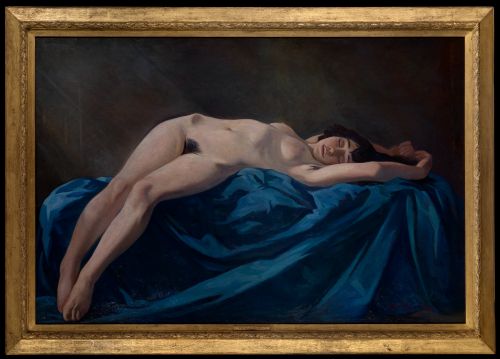
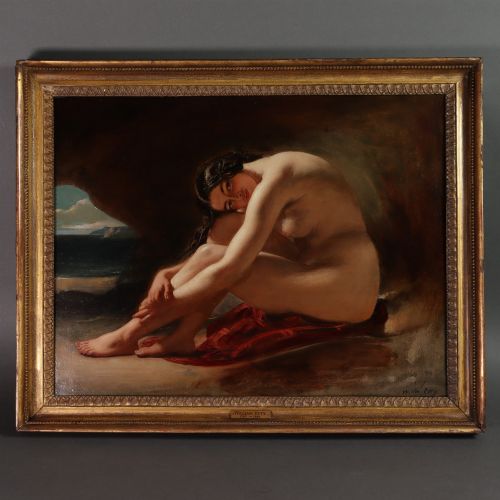
The pieces on this page span from seventeenth-century Italian school heads to mid-twentieth-century modernist canvases and drawings. Buyers frequently encounter oil paintings, panel works, and works on paper including pastels, watercolours, and pencil sketches.
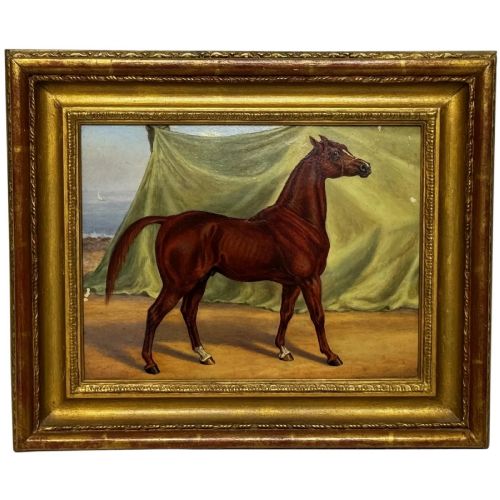
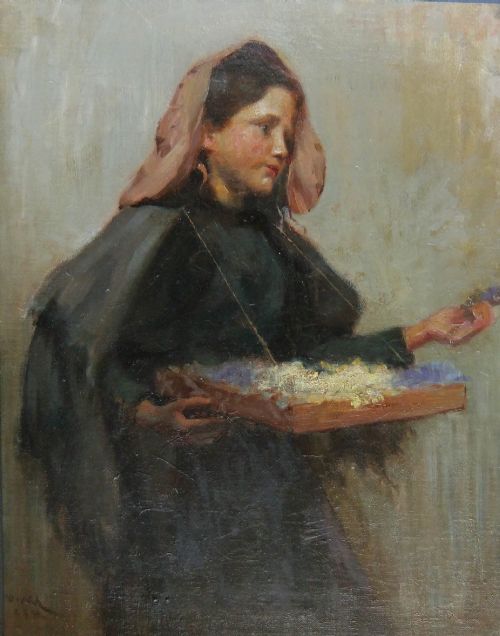
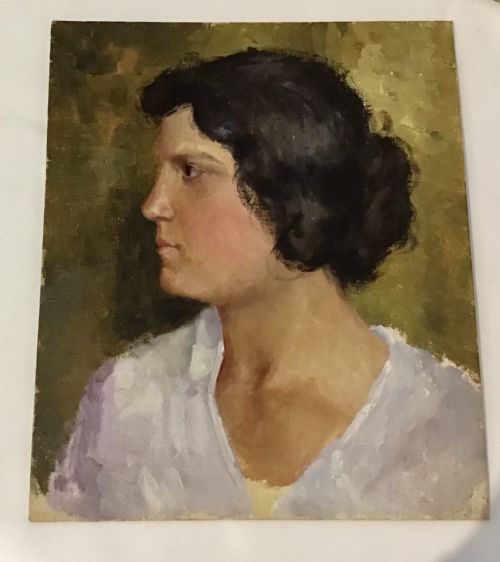
Subjects range from named historical figures and models to animals, horses, and anonymous sitters. The focus remains on direct draftsmanship and painterly capture rather than formal finished portraiture.
Materials and construction methods
Artists executed these studies using oil paint applied to canvas, wood panels, or boards, alongside dry media such as charcoal, sanguine, and pencil on paper. Pigments were worked directly to record shadow, light, and anatomical detail efficiently.
Supports varied according to period and intention, ranging from traditional stretched canvas to artist's palettes and thick card. Framing materials include giltwood, complementing the historical nature of the painted surfaces.
The listings span from the seventeenth century through the Victorian period and into the mid-twentieth century, recording works in oil, pastel, charcoal, and bronze.
Distinctions in quality and execution
Quality rests upon the sureness of the line, the economy of brushwork, and the ability to convey character or form with limited strokes. Superior examples demonstrate confident handling of anatomy and tone.
The connection between the study and the finished work influences interest, as does the documented attribution to a recognised hand or school. Preservation of the original pigment and paper support further distinguishes individual pieces.
Robert Heinrich·Kenneth Cozens·Eric Robertson·Augustus John·Stephen Pearce·William Watt Milne·William Etty·Allan Douglas Davidson·Sir Thomas Brock·James Clark·Raoul Millais·Frederick Christian Lund·Hans Temple·Frank Moss Bennett·Peter Paul Rubens·Charlotte Blakeney Ward
The Fine Art Portrait Study Glossary
- Study
- A preparatory drawing, sketch, or painting made to explore a subject or composition before a larger work.
- Sanguine
- A type of red chalk used historically for sketching and portrait drawings.
- Oil on panel
- A painting executed on a wooden board rather than stretched canvas.
- Fauve
- A style characterised by vibrant colours and bold brushwork developed by early twentieth-century French artists.
- Academic realism
- A style of painting and sculpture produced under the influence of European academies of art adhering to traditional standards.
Fine Art Portrait Study: Frequently Asked Questions
How were portrait studies used historically?
Painters and sculptors produced studies to understand anatomy, capture fleeting expressions, or document specific lighting conditions. They served as visual notes kept in the studio for future reference.
Some studies were retained by artists as exemplars of their technical skill, while others formed the basis for large-scale historical, mythological, or portrait paintings.
How do I date a portrait study?
Dating relies on the medium, support, clothing of the sitter, and stylistic conventions visible in the brushwork or drawing technique. Eighteenth-century works often utilise specific chalks or baroque palettes, whereas twentieth-century pieces reflect modernist or impressionist influences.
Signatures, inscriptions, and artist biographies provide the most reliable chronological anchors for individual pieces.
How should I frame and display a study on paper?
Works on paper such as pastels, watercolours, and pencil drawings require conservation framing behind glass to protect the delicate medium from atmospheric damage. Acid-free mounts prevent discolouration over time.
Display these pieces away from direct sunlight to preserve fugitive pigments and prevent fading of the paper support.