

Fine Furniture
Fine antique furniture encompasses centuries of craftsmanship, offering practical utility and enduring design through tables, cabinets, and seating.
Fine Furniture
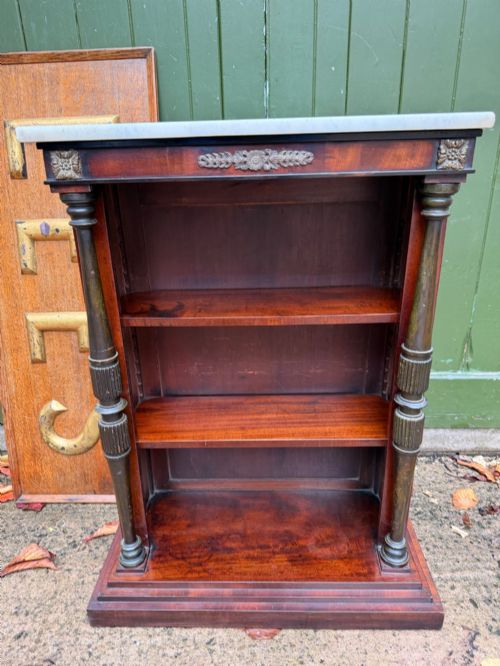
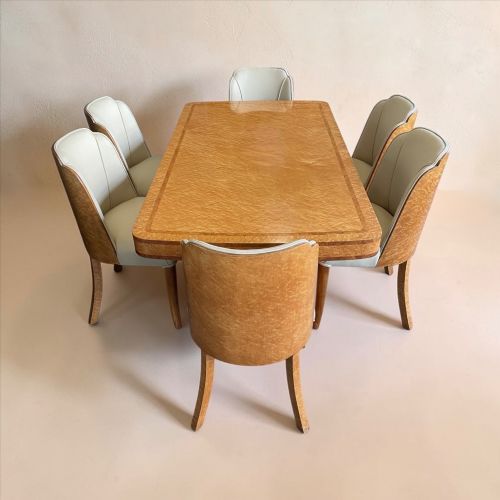
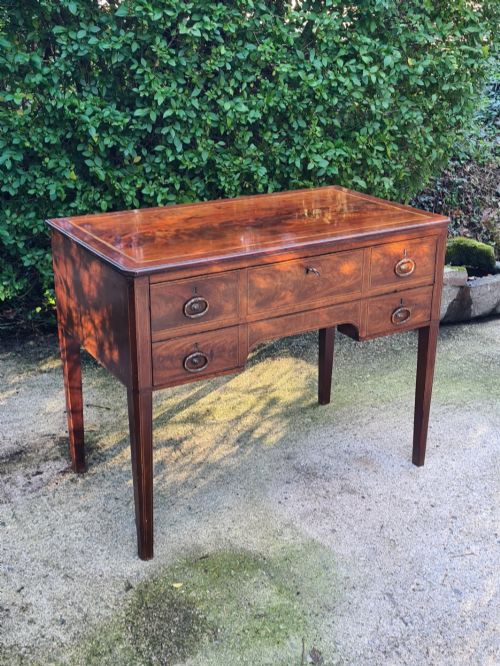
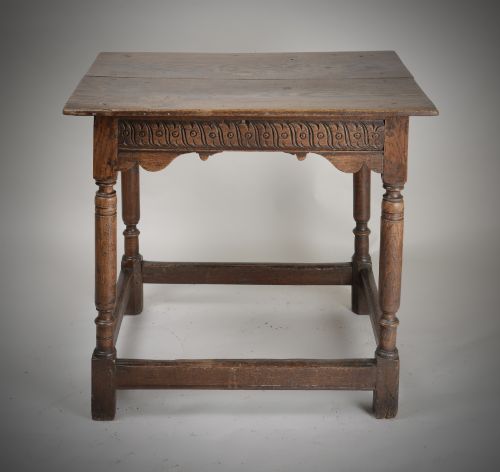
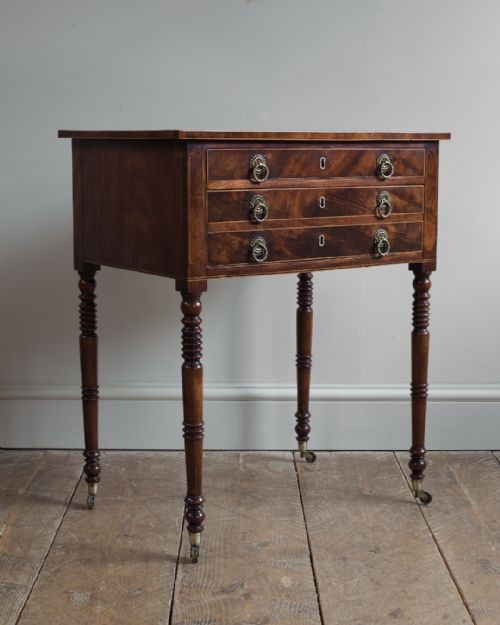
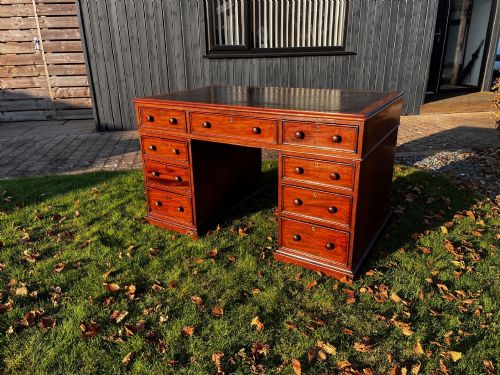
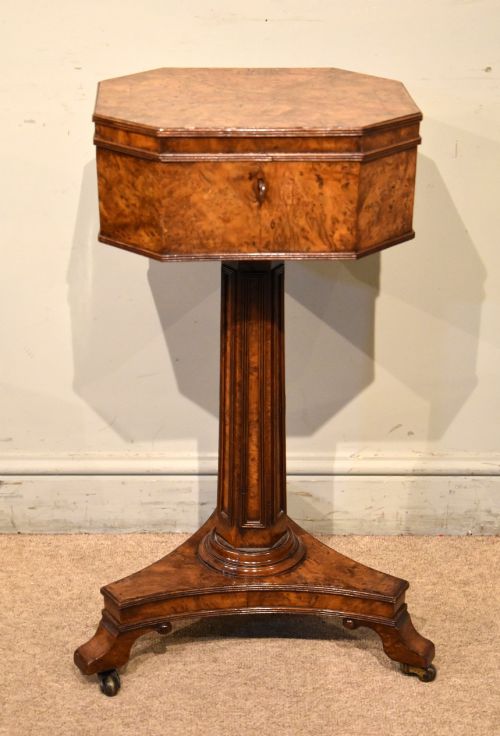
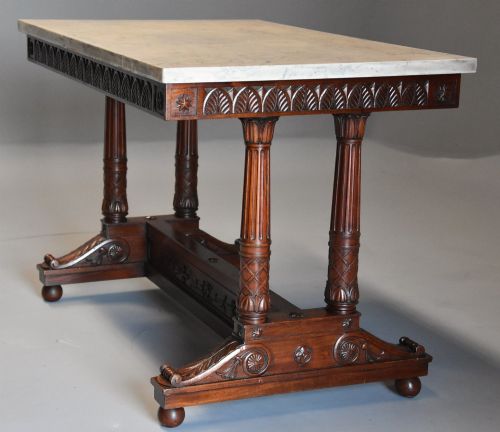
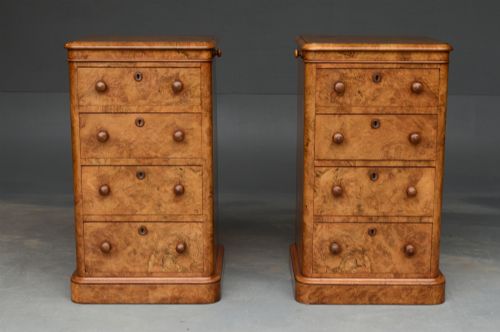
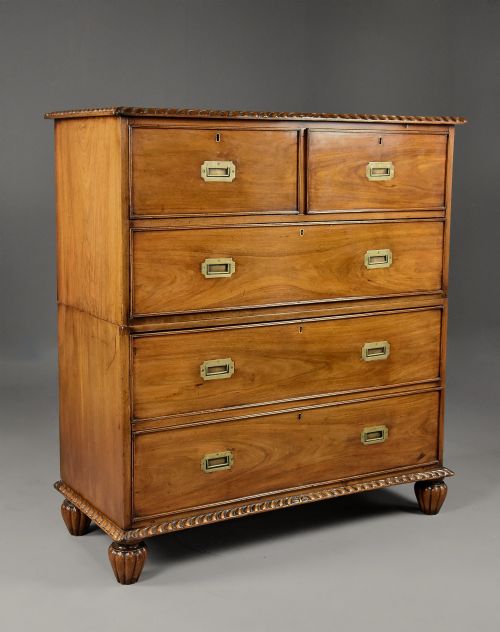
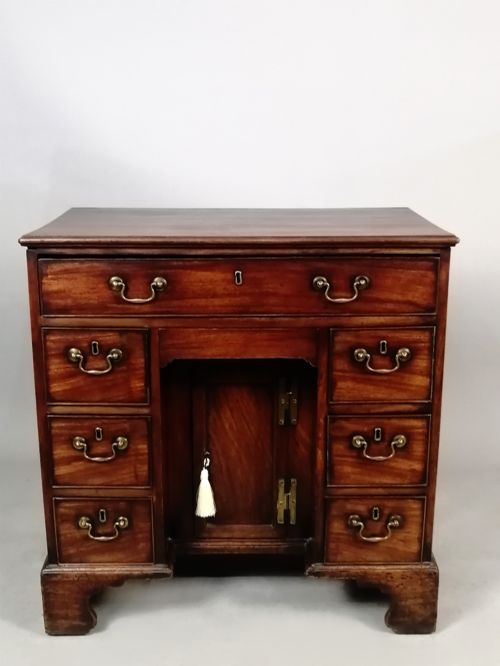
Fine antique furniture comprises domestic furnishings spanning from the seventeenth century through the art deco period, covering forms such as side tables, chests of drawers, desks, sideboards, card tables, console tables, armchairs, and cabinets.
Buyers meet pieces originating from diverse design movements including Georgian, Regency, William IV, Victorian, Edwardian, and Sheraton revival styles. The selection frequently includes mahogany, walnut, and rosewood items made for practical household use.
The objects serve traditional domestic functions, operating as writing surfaces, storage units, display cabinets, and seating arrangements within period and contemporary interiors.
How they were made
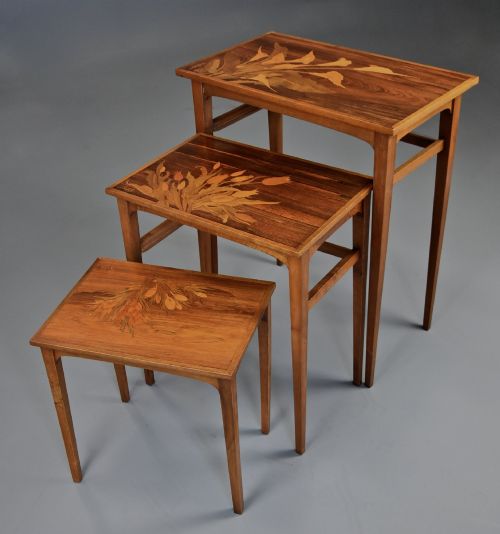
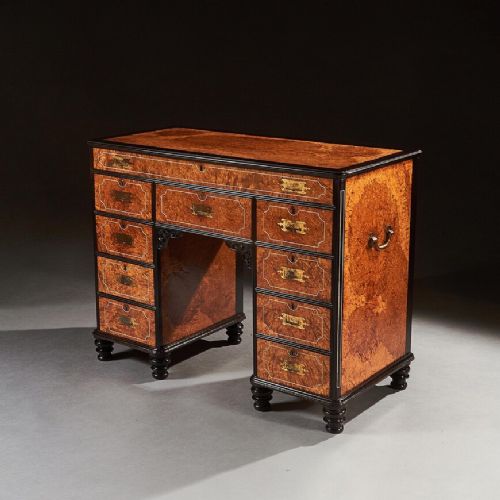
Construction relies on primary timber frames of mahogany, oak, walnut, and rosewood, often enhanced with marquetry inlays of satinwood, brass, and exotic veneers. Cabinetmakers utilised traditional joinery methods to ensure structural stability alongside decorative effect.
Surface ornamentation incorporates carved details, ormolu mounts, gilt-bronze accents, and specialised finishes such as French polish or vernis martin. Metal components like brass handles and inlay strips provide structural and visual contrast to the timber.
Fine Furniture Retail Price Guide 2026
Typical asking prices for fine furniture among the pieces listed under this phrase on Sellingantiques today, from the lower quarter to the upper quarter. They describe what is for sale here now, not the wider market.
What varies in quality
The standard of fine antique furniture depends upon the selection of timber, such as highly figured mahogany, burr walnut, or dense rosewood, and the precision of the cabinetmaker's joinery. Superior examples exhibit seamless marquetry inlay, well-matched veneer grains, and original brass hardware.
Design complexity and proportion distinguish standard pieces from exceptional ones, particularly where specialised forms like secretaire chests, serpentine tables, or intricate commodes are concerned. Workshop attribution and maker identity further elevate the standing of individual items.
Bath Cabinet Makers·Druce and Co·Gillows Oxford Street Workshop·Hewetsons London
The Fine Furniture Glossary
- Marquetry
- Decorative patterns formed by inserting pieces of contrasting veneer into a wood foundation. This technique creates complex pictorial or geometric designs on table tops and cabinet doors.
- Ormolu
- Gilded bronze mounts applied to furniture for decorative effect. The metal is cast and chased before receiving its gold finish.
- Secretaire
- A desk or chest featuring a pull-down writing flap that conceals small drawers and pigeonholes. It combines storage capacity with a dedicated writing surface.
- Torchere
- A tall, slender stand designed to support a candelabrum or lamp. These pieces often feature carved pillars and tripod bases.
- Canterbury
- A low stand with partitioned sections for holding sheet music, books, or newspapers. They frequently incorporate a small drawer at the base.
Fine Furniture: Frequently Asked Questions
What periods do these pieces span?
The available items range from seventeenth-century walnut and oak pieces through Georgian, Regency, and Victorian eras up to art deco designs of the 1930s.
This broad chronological spread allows collectors to select furnishings representing distinct historical design movements and manufacturing techniques.
How do I identify a secretaire chest?
A secretaire chest combines the outward appearance of a standard set of drawers with a hinged top drawer that drops open to reveal a fitted writing desk.
These hybrid pieces offer concealed pigeonholes and small compartments while maintaining the practical storage capacity of a chest.
Where were satinwood and marquetry used?
Satinwood and marquetry appear primarily on decorative surfaces such as cabinet doors, table tops, and drawer fronts. The light yellow timber provides a contrasting background for intricate inlaid floral or geometric patterns.
Cabinetmakers utilised these materials to catch the light and highlight the refined proportions of side tables and display pieces.
Can antique sideboards fit modern dining rooms?
Period sideboards and breakfront cabinets provide substantial surface area and interior storage suited to contemporary dining spaces. Their proportions accommodate serving ware while introducing traditional timber grains like mahogany and rosewood to the room.
Selecting pieces of narrow proportions helps integrate larger forms into compact modern layouts.