



Fine Bracelet
A fine antique bracelet carries the weight of a century on the wrist, uniting precious stones and careful metalwork from eras past.
Fine Bracelet
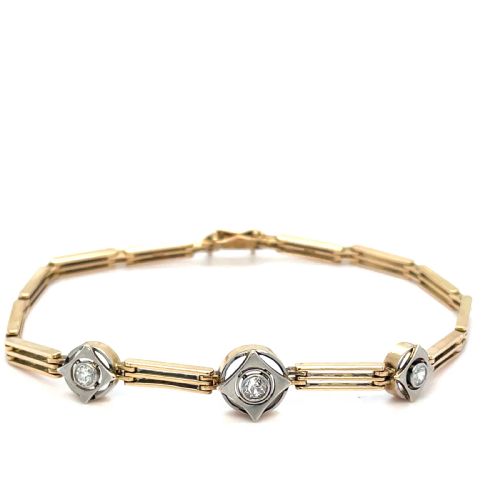
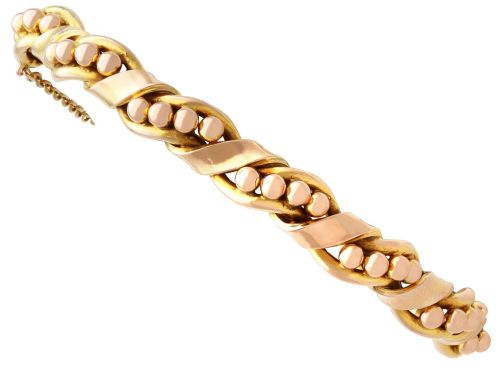
A fine antique bracelet encompasses everything from heavy Victorian gold gate links to diamond-set platinum lines of the Art Deco period. When searching for a fine antique bracelet, buyers meet works spanning the Victorian, Edwardian, Belle Époque and mid-century eras.
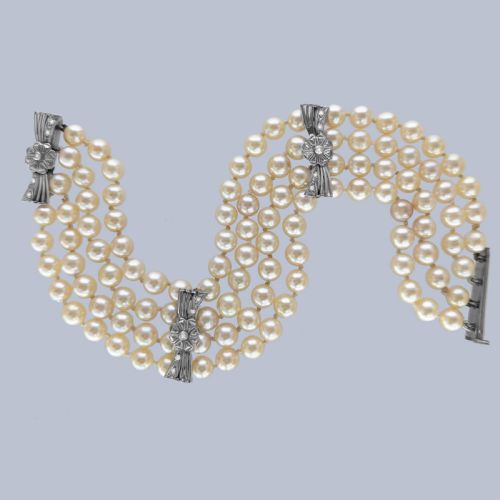
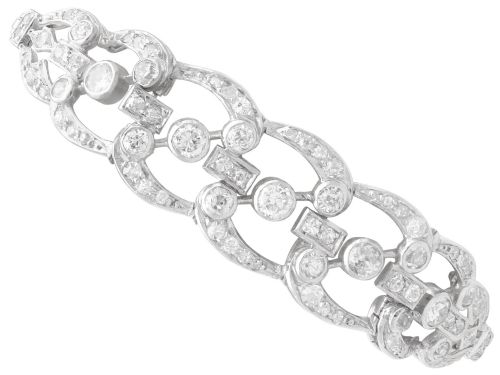
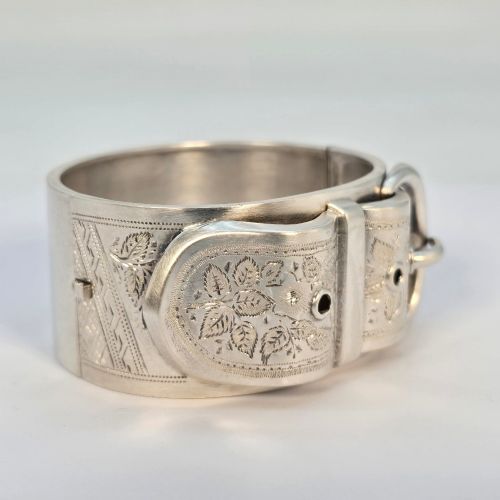
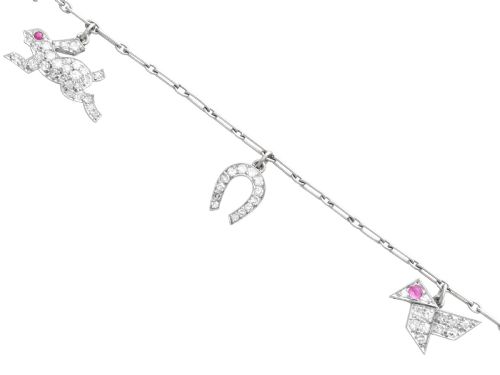
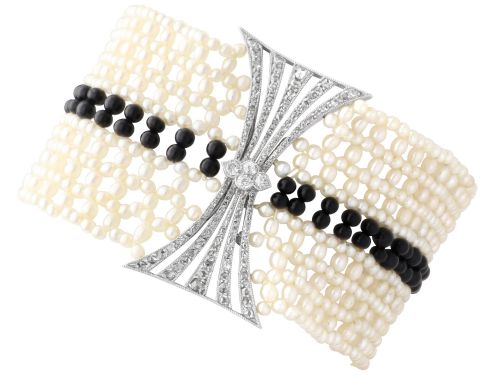
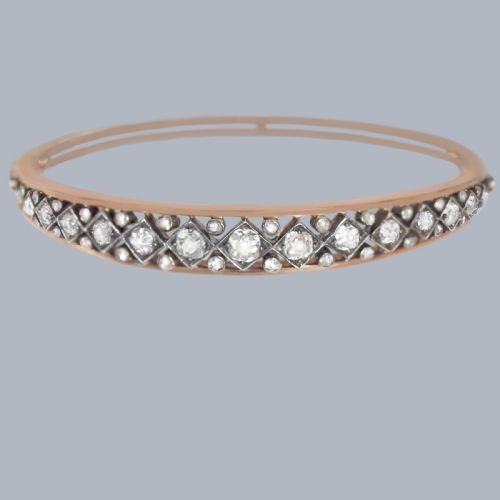
The pieces on this page lean heavily towards diamond-set platinum, varied carats of gold, and combinations of pearls and rubies. Formats range from flexible line bracelets and charm pieces to rigid bangles set with old mine cut diamonds.
How they were made
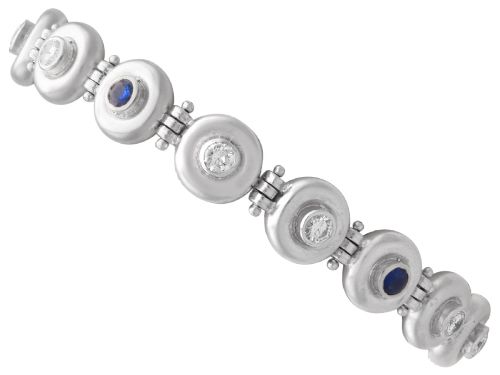
Goldsmiths and jewellers shaped these pieces using platinum, yellow gold, white gold, and rose gold alongside stones such as diamonds, rubies, sapphires, and pearls. Platinum emerged as a favoured metal for delicate pierced work, while gold served rigid bangles and robust links.
Techniques relied upon hand-setting stones into collets and bezels, engraving metal surfaces, and constructing multi-strand pearl arrangements secured by precious metal bows and clasps.
Fine Bracelet Retail Price Guide 2026
Typical asking prices for fine bracelet among the pieces listed under this phrase on Sellingantiques today, from the lower quarter to the upper quarter. They describe what is for sale here now, not the wider market.
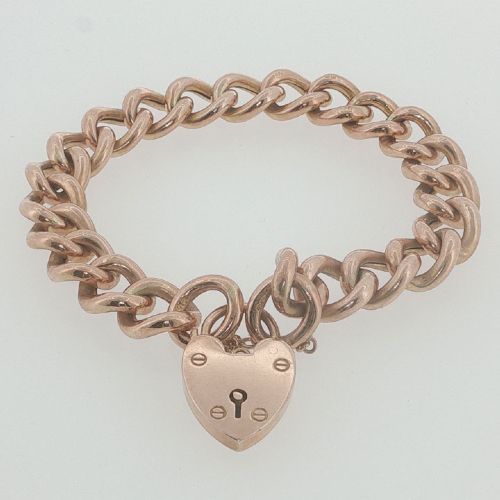
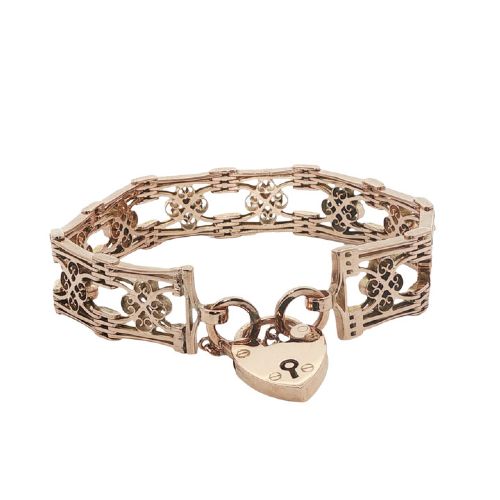
Several pieces incorporate functional miniature padlocks as clasps, turning a simple wrist fastening into a miniature security system.
What varies in quality
Quality rests in the precision of stone cutting, such as the distinct facet patterns of old mine cut diamonds, and the integrity of the metal construction. Heavier gram weights in gate bracelets and bangles indicate substantial artisan effort.
The harmony of design execution, from the balance of platinum bow motifs to the uniformity of pearls and matched gemstones, separates standard workshop production from finer examples.
The Fine Bracelet Glossary
- Old mine cut
- A diamond cut characterised by a cushion shape, a high crown, and a small table, typical of nineteenth and early twentieth-century jewellery. These stones display deep facets that catch candlelight well.
- Gate bracelet
- A linked bracelet style derived from Victorian gate designs, often finished with a padlock clasp. This form utilises parallel metal bars joined by smaller connecting links.
- Platinum
- A dense, durable white metal widely utilised in Edwardian and Art Deco jewellery for secure stone settings. Its strength permits fine wirework and delicate millegrain edges without bending.
- Collet set
- A method of securing a gemstone where a metal collar wraps tightly around the stone's girdle. This technique provides a smooth, polished border to the gem.
- Belle Époque
- A period of French design spanning the late nineteenth century to the First World War, known for garlands and light platinum mountings. Pieces from this time emphasise lace-like metalwork.
Fine Bracelet: Frequently Asked Questions
How do I care for a pearl bracelet?
Pearls require gentle cleaning with a soft, damp cloth and should be kept separate from hard gemstones to prevent scratching. Chemicals in perfumes and cosmetics can damage the nacre over time.
Store flexible pearl pieces flat rather than hanging them to avoid stretching the silk thread. Periodic restringing by a specialist ensures the safety of older strands.
Are antique platinum bracelets durable?
Platinum possesses high strength and resistance to corrosion, making it exceptionally suited for daily wear in antique settings. Its durability allowed makers to craft intricate openwork without sacrificing structural integrity.
Even so, antique pieces benefit from mindful handling and occasional inspection of the claws holding the diamonds or rubies.
What is a gate bracelet?
A gate bracelet is a flexible link design featuring rows of parallel metal bars connected by vertical links. Originating in the Victorian era, they frequently include heart-shaped padlocks as clasps.
These pieces were constructed in various gold carats, offering a substantial wrist presence that remains popular among collectors.
How do I distinguish Edwardian from Art Deco?
Edwardian jewellery relies on platinum and yellow gold, favouring garland motifs, lace-like filigree, and soft pearl accents. The overall aesthetic feels light, romantic, and botanical.
Art Deco design shifts towards geometric precision, symmetrical lines, and sharp contrasts between diamonds and onyx or calibre-cut rubies. The transition marks a move from organic curves to industrial abstraction.