



Figured Walnut Frame
A figured walnut frame brings striking grain patterns and warm tones to interiors, whether enclosing a Regency pencil sketch or framing an Art Deco fireplace surround.
Figured Walnut Frame
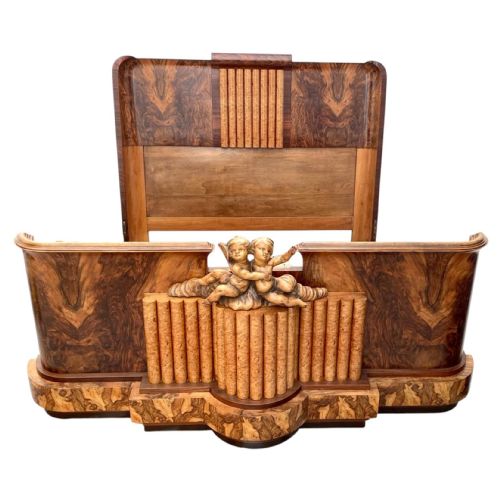
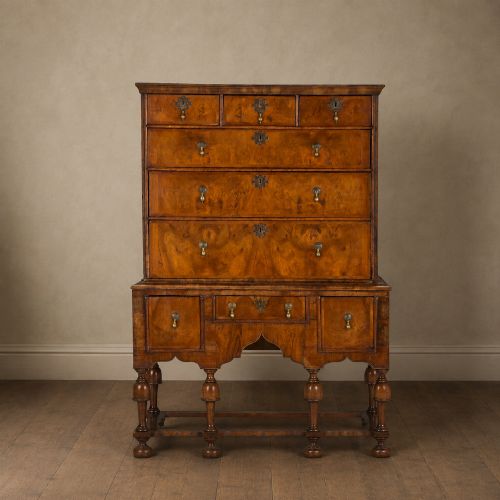
A figured walnut frame centres on rich, swirling timber grains that catch the light, appearing across pieces dated from the eighteenth century to the nineteen-thirties. Buyers searching for a figured walnut frame encounter diverse forms, including early chest on stand designs alongside framed illustrations and bedroom furniture.
The selection ranges from early Georgian and Queen Anne periods through to Regency examples and twentieth-century Art Deco pieces. This means the aesthetic spans classical restrained moulding to curvaceous moderne geometry, all united by the characteristic patterned wood.
Most examples on this page link walnut timber with specific decorative functions, from housing antique paper artwork to forming the structural surrounds of fireplaces or beds. Each period brings distinct proportions, yet the emphasis remains firmly on the decorative potential of the timber itself.
Materials and construction methods
Makers utilised walnut timber and walnut veneer to achieve striking surface patterns, often selecting cuts from burls or junctions where the grain swirls dramatically. Supporting woods such as oak appear in the foundational structure, providing stability for the decorative outer layers.
Additional elements incorporate brass hardware, iron fittings, glass, and paper components, depending on whether the object functions as a piece of furniture or a framed artwork. Construction techniques evolved from eighteenth-century joinery traditions to twentieth-century Art Deco methods, maintaining a focus on timber selection.
Figured Walnut Frame Retail Price Guide 2026
Typical asking prices for figured walnut frame among the pieces listed under this phrase on Sellingantiques today, from the lower quarter to the upper quarter. They describe what is for sale here now, not the wider market.
Listings feature walnut, walnut veneer, oak, brass, and paper across George I, Queen Anne, Regency, and Art Deco periods.
Assessing quality in walnut framing
Quality rests in the intensity and symmetry of the wood figuring across the visible surface, where master craftspeople matched veneer leaves to create balanced patterns. Finer examples display continuous grain flow that demonstrates deliberate planning during the cutting process.
Construction integrity defines the upper tier of pieces, visible in the precision of the joints and the condition of the underlying timber framework. The depth of the finish and the preservation of the original surface further separate standard production from exceptional work.
The Figured Walnut Frame Glossary
- Figured walnut
- Walnut timber exhibiting irregular, highly decorative grain patterns caused by growths, burls, or branch junctions in the tree. This wood is sliced into veneers or shaped directly to highlight natural swirls.
- Veneer
- A thin layer of superior wood applied over a secondary timber base to create a decorative exterior. Walnut veneer allowed makers to display intricate grain patterns economically.
- Art Deco
- A design style emerging in the nineteen-twenties and nineteen-thirties characterised by streamlined forms, geometric shapes, and stylized motifs. Pieces from this era often feature heavily figured veneers.
- George I
- The British architectural and decorative period dating from the early eighteenth century, known for restrained classical lines and walnut furniture. Objects from this era often display rich patination.
- Regency
- The British stylistic period spanning the early nineteenth century, drawing inspiration from classical antiquity. Pieces often feature refined pencil sketches or minimalist framing.
Figured Walnut Frame: Frequently Asked Questions
How do I clean a figured walnut frame?
Dust gently with a soft, dry cloth to prevent accumulation of particles in the grain crevices. Avoid using modern silicone polishes that can degrade the historic finish over time.
Apply a specialist microcrystalline wax sparingly if the timber appears dry, buffing it gently to maintain the natural lustre. Keep the wood away from direct sunlight and heat sources to prevent warping.
What periods do these walnut pieces cover?
The selection spans from early eighteenth-century pieces created during the George I and Queen Anne eras up to nineteen-thirties Art Deco designs. Regency-era items also appear among the grouping.
Each period brings distinct structural characteristics, allowing collectors to trace the evolution of woodworking styles across three centuries. The consistent element remains the use of walnut timber.
Are these items made of solid walnut?
Many pieces combine solid walnut with walnut veneer applied over secondary woods such as oak. Veneering allowed artisans to showcase complex grain patterns that solid boards could not provide.
Examination of the edges and construction reveals how the timber was selected and applied during manufacturing. Both solid and veneered examples demonstrate period craftsmanship.
How do I identify an Art Deco walnut piece?
Art Deco walnut items typically feature curvaceous silhouettes, symmetry, and heavily figured veneer arrangements without excessive carved ornament. They date from the nineteen-twenties and nineteen-thirties.
These pieces often present streamlined proportions that contrast with earlier eighteenth-century designs. The focus remains on the visual impact of the polished wood surface.