



Figured Walnut Bedside Table
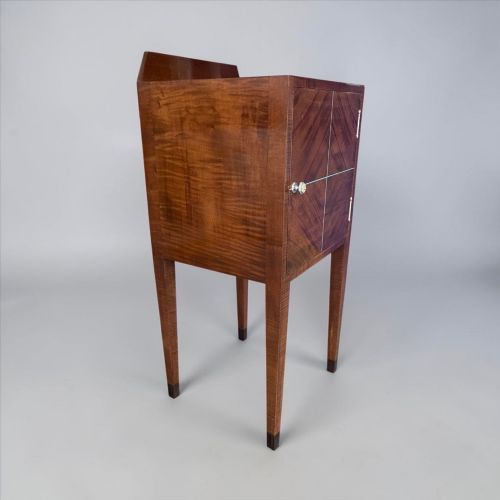
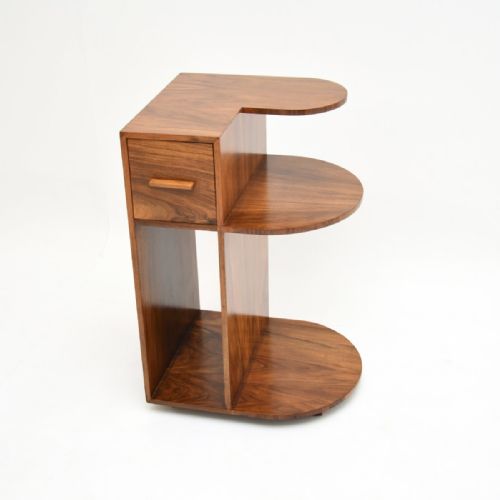
A figured walnut bedside table brings rich grain and warmth to the bedroom, grounding the bedside with decades of character.
Figured Walnut Bedside Table
A figured walnut bedside table is an essential piece of bedroom furniture designed to hold evening essentials while displaying striking timber grain. When searching for a figured walnut bedside table, buyers encounter a range of formats spanning the nineteenth century through the Edwardian era and into the nineteen-thirties.
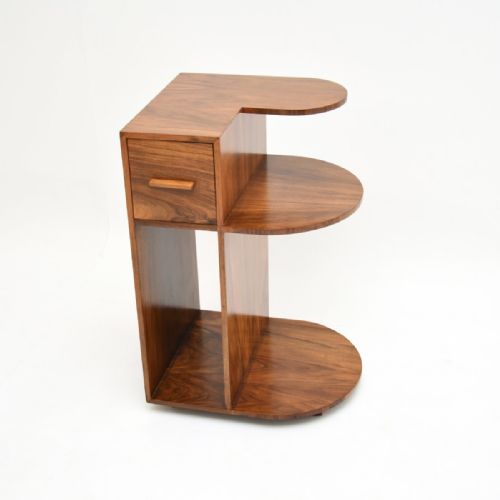
The most common examples on this page date from nineteen-thirty, reflecting the streamlined aesthetics of the Art Deco period. These pieces appear as side cabinets, small chests of drawers, and two-tier occasional tables alongside traditional cupboards.
Origins vary from English workshops to French makers, encompassing styles such as Queen Anne Revival, Louis XV Revival, and Victorian floral marquetry. Cabinets and cupboards frequently feature panelled doors or single drawers suited for compact bedside storage.
Evaluating Quality
Quality rests upon the selection and placement of the walnut veneers, where highly figured or burr patterns display superior visual depth and careful matching across the surfaces. Finer examples exhibit seamless application of veneer without lifting or bubbling along the edges of curves and bow fronts.
Construction standards are evident in the joinery of drawers and the smooth operation of doors and compartments. Superior pieces also retain original hardware, such as brass pulls and hinges, which complement the proportion and style of the cabinet.
Figured Walnut Bedside Table Retail Price Guide 2026
Typical asking prices for figured walnut bedside table among the pieces listed under this phrase on Sellingantiques today, from the lower quarter to the upper quarter. They describe what is for sale here now, not the wider market.
Some nineteen-thirty tables arrive with illuminated tops, ensuring your midnight reading light is built directly into the furniture.
Maurice Adams
The Figured Walnut Bedside Table Glossary
- Figured walnut
- Timber exhibiting highly decorative grain patterns, swirls, and light-reflecting qualities resulting from natural growth variations. This material forms the primary visual appeal of the bedside tables.
- Nightstand
- An alternative term for a bedside table or small bedside cupboard used to support lamps and nighttime items. These often include enclosed shelving or drawers.
- Marquetry
- The art of applying pieces of veneer to a structure to form decorative patterns and pictorial designs. Victorian examples utilise this technique for floral motifs.
- Book-matching
- A veneer technique where adjacent slices from the flitch are mirrored to create a symmetrical pattern. This method highlights the natural grain of the walnut.
Figured Walnut Bedside Table: Frequently Asked Questions
What periods do these tables come from?
The selection spans the Victorian era, the Edwardian period, and the nineteen-twenties and nineteen-thirties. Art Deco examples from nineteen-thirty appear most frequently alongside nineteenth-century French designs.
Earlier pieces feature revival styles like Queen Anne or Louis XV, while mid-century-adjacent items emphasise clean geometric lines and figured veneers.
How do cabinets differ from open tables?
Bedside cabinets and cupboards provide enclosed storage behind panelled doors, keeping personal items concealed out of sight. Open side tables and two-tier occasional tables offer accessible shelf space for books and lamps.
Both forms utilise figured walnut veneers, but cupboards and small chests deliver additional utility through integrated drawers.
Are these tables usually found in pairs?
Many listings comprise matched pairs of bedside tables or nightstands, particularly from the Art Deco period. Single cabinets also appear frequently for standalone placement beside a bed.
Pairs allow for symmetrical arrangement on either side of a bed frame, utilising matching walnut grain patterns.
What French styles are available?
French pieces often incorporate marble tops and four-drawer configurations within nightstand formats. These nineteenth-century variants contrast warm walnut grain with cool stone surfaces.
Louis-style revivals bring curved cabriole legs and panelled timber work distinct from English Art Deco geometry.