



Figured Oak Furniture
Figured oak furniture brings dense, rippled timber into daily rooms through desks, pedestals and panels spanning several centuries.
Figured Oak Furniture
Figured oak furniture centres on timber displaying striking natural grain patterns such as ripples, medullary rays and swirls, shaped into practical forms. When buyers search for figured oak furniture, they encounter pieces ranging from compact Edwardian bureaux to large Victorian hall stands.
The selection on this page demonstrates considerable historical breadth, stretching from sixteenth-century folk art carvings up to twentieth-century desks and tables. Alongside pure oak, related cabinet timbers such as pollard oak and elm appear frequently within the listings.
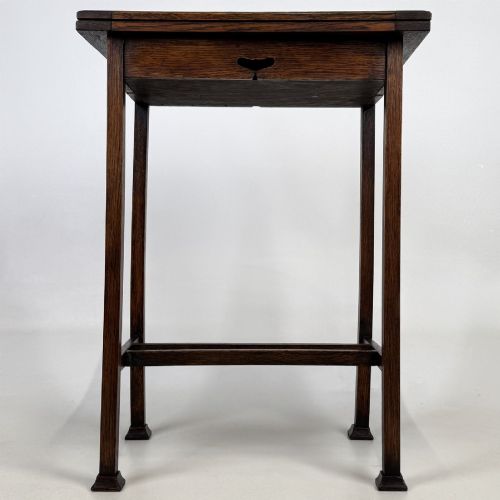
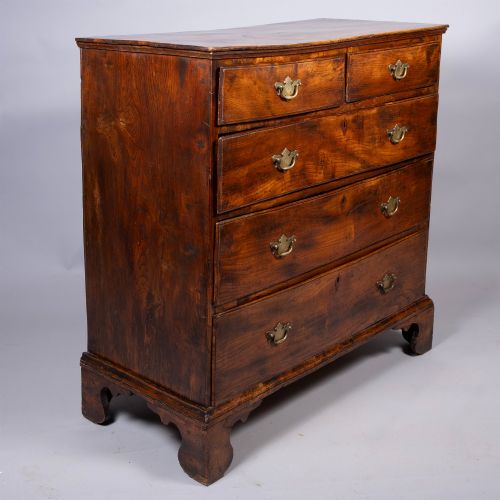
Object types vary widely between structural household items and decorative architectural fragments. Buyers find functional items like chests of drawers and work tables sitting alongside decorative wood carvings, pedestals and panels.
How these pieces were made
Makers utilised solid timbers including oak, pollard oak, fruitwood and elm, selecting boards for their decorative grain rather than plain utility. Joinery methods varied by period, supporting both structural furniture frames and intricate carved panels.
Carving was executed directly into the dense wood, producing high-relief figures such as caryatids, griffin terminals and folk art ornaments. Secondary elements incorporated brass hardware and glass inserts to complete functional pieces like bureaux and hall stands.
Figured Oak Furniture Retail Price Guide 2026
Typical asking prices for figured oak furniture among the pieces listed under this phrase on Sellingantiques today, from the lower quarter to the upper quarter. They describe what is for sale here now, not the wider market.
Listings feature periods from the sixteenth century to the twentieth century, utilising oak, pollard oak, elm and fruitwood.
What varies in quality
Quality depends upon the distinctness and visual impact of the timber figure within the board, alongside the crispness of any carved enrichment. Pieces showing deeply rippled grain or expertly rendered figural carving command greater visual presence.
Structural integrity and the retention of original fitted interiors distinguish finer examples, such as desks with complete internal drawers. The sophistication of revival styles, from Renaissance to Gothic, also shapes the overall character of each piece.
Boothroyd Sons Rimmer
The Figured Oak Furniture Glossary
- Pollard oak
- Timber taken from trees that have been pollarded, producing tightly clustered knot patterns and rich figuring. This decorative wood appears on nineteenth-century tables.
- Caryatid
- A sculpted female figure serving as an architectural support in place of a column. These appear on nineteenth-century pedestals and carved oak panels.
- Bureau
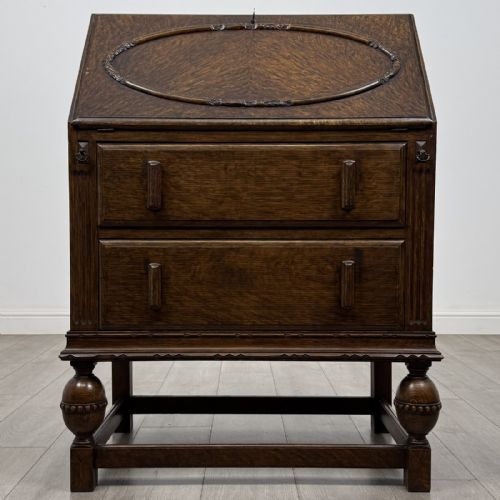
- A sloping desk with a hinged flap, frequently featuring a fitted interior of small drawers and pigeonholes. Edwardian examples demonstrate compact forms.
- Settle
- A wooden bench with a high back, solid arms and enclosed under-seat storage. Seventeenth-century examples utilise timbers like fruitwood.
- Medullary rays
- Radial cellular ribbons in oak timber that become visible as shimmering flakes when the log is quarter-sawn. They define the characteristic figure of quality oak furniture.
Figured Oak Furniture: Frequently Asked Questions
What periods do these pieces date from?
The inventory spans multiple centuries, beginning with sixteenth-century folk art carvings and seventeenth-century fruitwood furniture. Later examples include eighteenth-century chests and nineteenth- to twentieth-century desks and stands.
Revival movements strongly influence the nineteenth-century items, featuring styles such as Flemish Renaissance and Gothic Revival alongside Victorian and Edwardian domestic designs.
What types of furniture are available?
Listings include practical household items such as bureaux and desks, chests of drawers, work tables and large hall stands. Alongside these functional forms, decorative architectural elements like wood carvings, caryatid pedestals and panels appear.
Pieces range in scale from small domestic writing desks to massive hall stands suited for large entranceways.
How do I identify different wood types?
Oak is identified by its prominent grain and visible medullary rays, while pollard oak displays dense, swirling knot clusters caused by historical pruning techniques. Elm and fruitwood offer alternative native grain patterns seen in earlier tables and settles.
Examining the natural figure of the timber helps distinguish between standard quarter-sawn boards and specialised pollard growths.
How should I care for figured oak?
Protect the timber by maintaining stable room humidity and avoiding direct placement near heat sources, which can cause wood to dry and split. Regular gentle dusting preserves the surface finish without stripping natural patination.
Applying occasional appropriate wax polish helps maintain the lustre of the figured grain on desks, tables and panels.