

Figured Drawing Art
Figured drawing art captures the human form with precision, offering a direct view into academic training, classical mythology, and intimate portraiture across centuries.
Figured Drawing Art
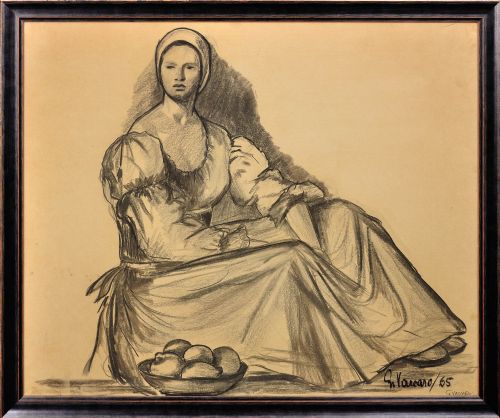
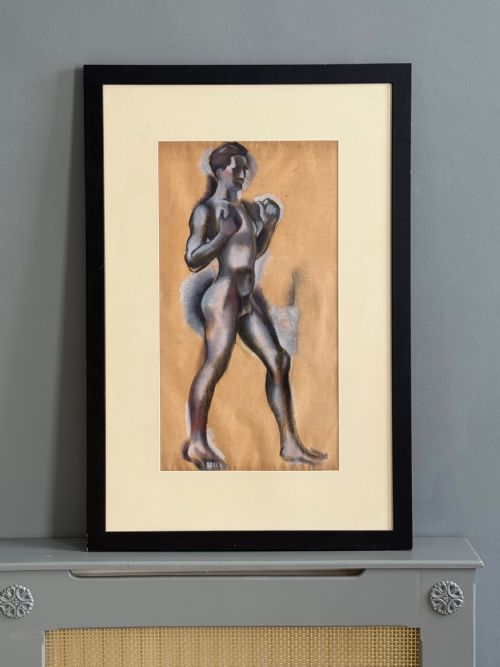
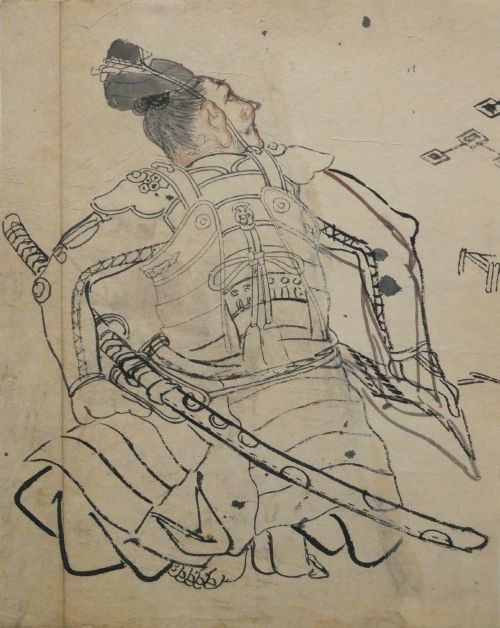
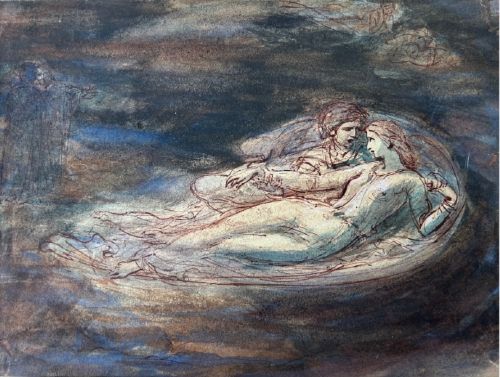
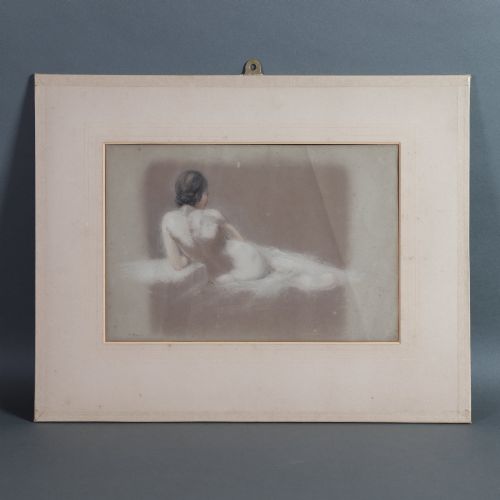
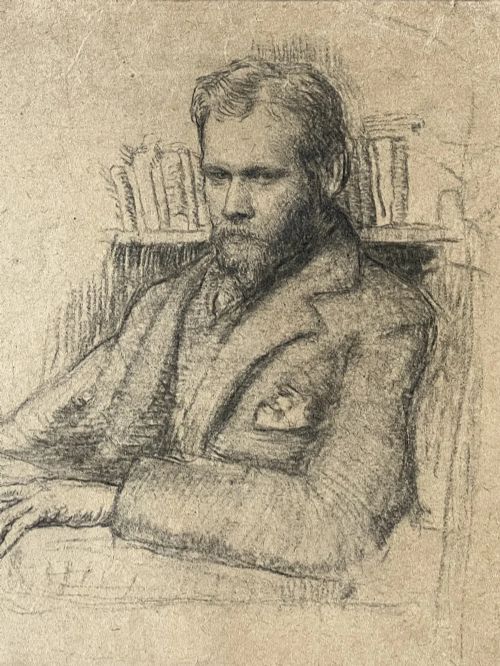
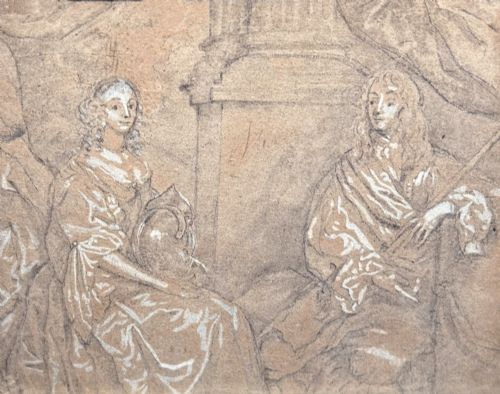
When you search for figured drawing art, you encounter works that focus primarily on the human figure, ranging from rigorous academic life studies to rapid preparatory sketches. The selection spans centuries, featuring everything from seventeenth-century classical interpretations to twentieth-century avant-garde and modernist explorations.
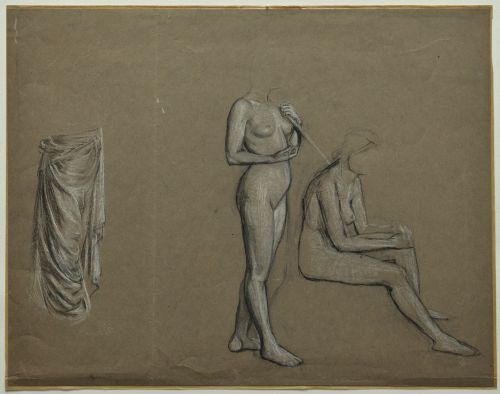
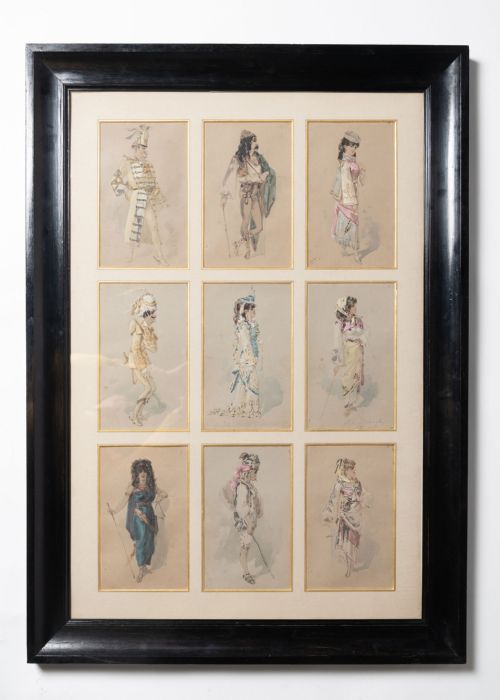
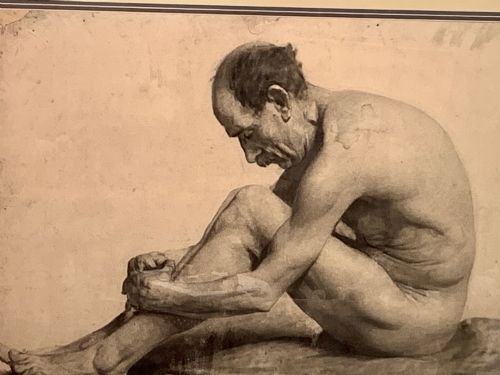
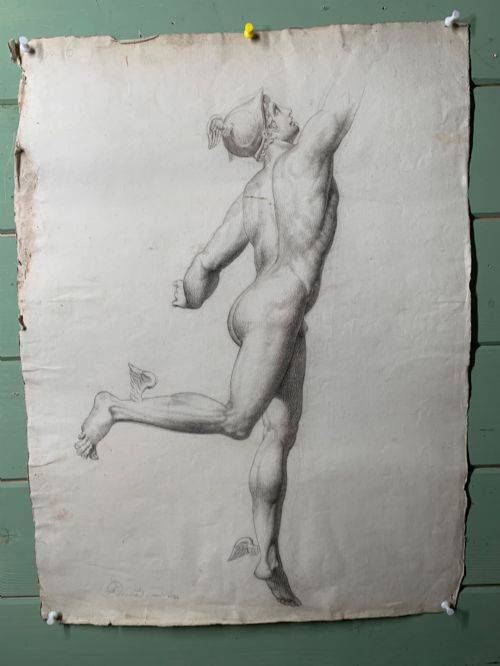
You are most likely to meet nineteenth-century academic drawings and twentieth-century charcoal or pencil studies on this page. These pieces often record the foundational anatomy of male and female nudes, classical statues, or theatrical figures executed by European and British artists.
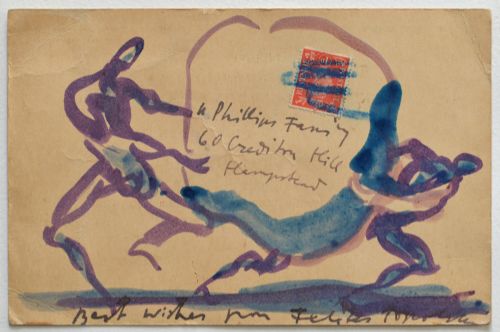
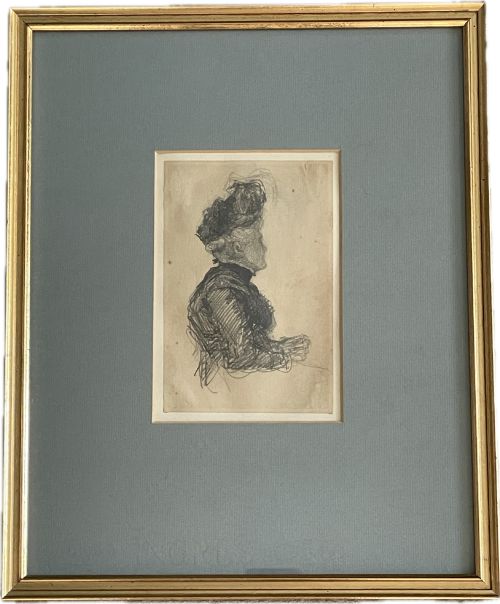
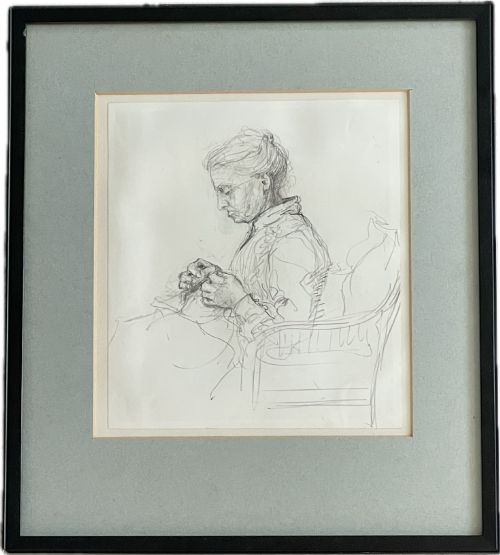
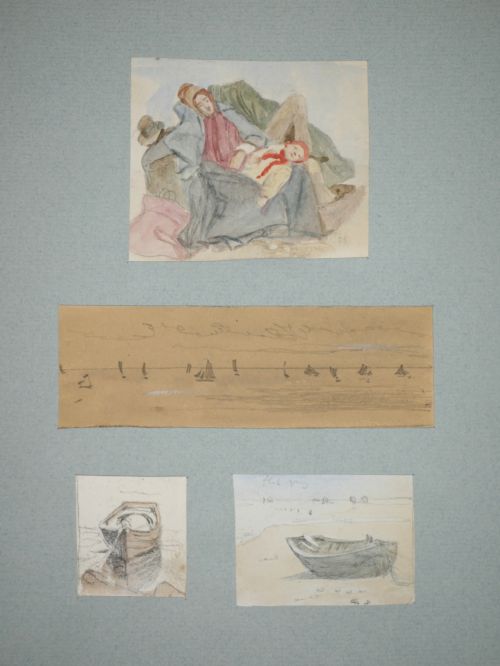
The materials vary across paper supports, utilising graphite, charcoal, ink, chalk, and watercolour. Many pieces arrive framed as original wall art, preserving the immediate touch of the artist's hand.
Materials and Techniques
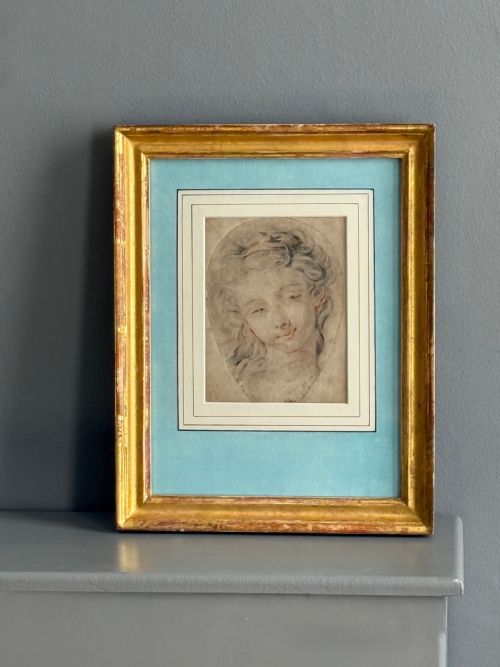
Draftsmen relied on traditional drawing implements applied directly to paper supports, utilising graphite and charcoal for tonal depth and soft gradation. Red and black chalks frequently appeared in eighteenth-century academic and studio exercises to model muscle and shadow.
Watercolour and ink were often layered over pencil or fine lines to add wash and permanence to the composition. Artists working in academic settings built up form through meticulous hatching and cross-hatching, capturing anatomical accuracy and light.
Figured Drawing Art Retail Price Guide 2026
Typical asking prices for figured drawing art among the pieces listed under this phrase on Sellingantiques today, from the lower quarter to the upper quarter. They describe what is for sale here now, not the wider market.
Several drawings cleverly utilise both sides of the paper, offering two distinct historical sketches for the price of one frame.
Assessing Quality and Execution
The distinction between ordinary student exercises and masterworks lies in the sureness of the line and the understanding of underlying human anatomy. A superior drawing displays confident proportions and expressive tonal control without relying on heavy corrections.
Provenance and attribution elevate certain pieces, particularly when a drawing connects directly to a known artist, academy circle, or preparatory study for a larger painting. The handling of shadow and the vitality of the pose separate routine academic records from compelling works on paper.
James Smetham·William Etty·Augustus John·John Flaxman·Demetrios Galanis
The Figured Drawing Art Glossary
- Academic Realism
- A style of painting and drawing produced under the influence of European academies of art, emphasising traditional techniques, classical subjects, and anatomical precision.
- Recto and Verso
- Terms used to describe the front and the back of a single sheet of paper or drawing, where sketches sometimes appear on both sides.
- Preparatory Study
- A preliminary drawing or sketch made by an artist to plan a larger finished painting, sculpture, or mural.
- Deux Crayon
- A drawing technique utilising two colours of chalk, typically red and black, on tinted or white paper to achieve highlights and shadows.
- Neoclassical
- A Western cultural movement drawing inspiration from the classical art and culture of ancient Greece and Rome, prioritizing restraint and clarity of line.
Figured Drawing Art: Frequently Asked Questions
What is figured drawing art?
Figured drawing art encompasses works on paper that centre on the human body, capturing anatomy, movement, and expression through media such as pencil, charcoal, and ink.
These pieces range from formal nineteenth-century academic life studies to rapid twentieth-century modernist sketches.
How should I display drawings?
Works on paper require careful framing behind protective glazing to shield them from dust, handling, and environmental moisture.
Keep them away from direct sunlight to prevent the fading of graphite, ink, and watercolour pigments over time.
How do I identify centuries?
Centuries are distinguished by the paper stock, watermark evidence, framing style, and the characteristic rendering methods of the period's academic training.
Eighteenth-century works often utilise red chalk or bistre ink, while nineteenth-century pieces lean towards rigorous graphite academic studies.
Were these made as finished art?
Many works on paper were originally created as private studies, preparatory exercises for larger paintings, or life-class sessions rather than finished exhibition pieces.
Collectors prize this directness because these drawings reveal the unvarnished working process of the artist.