

Figured Art Study
When you search for figured art study, you are exploring works capturing the human form and natural subjects through academic discipline and observation.
Figured Art Study
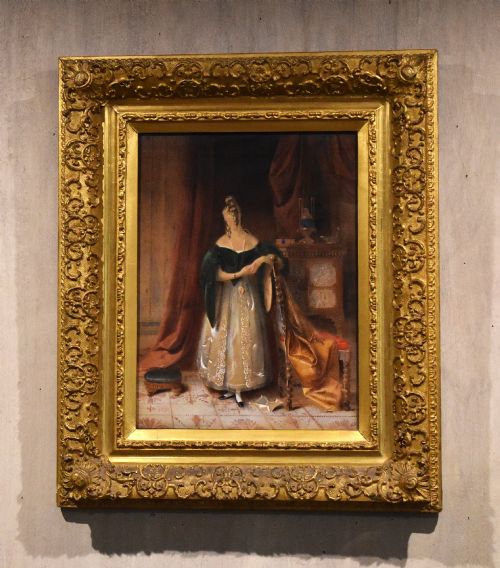
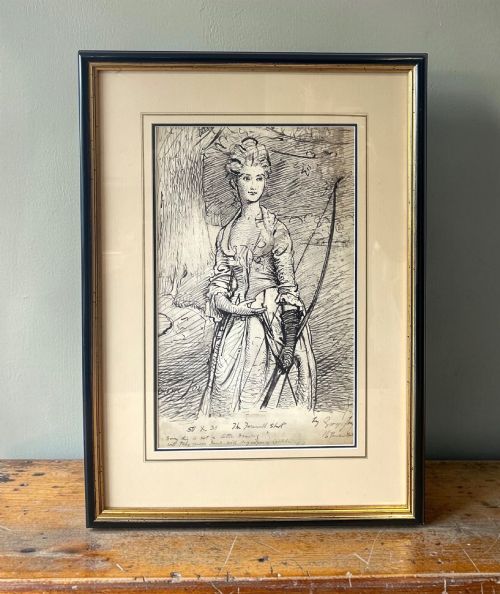
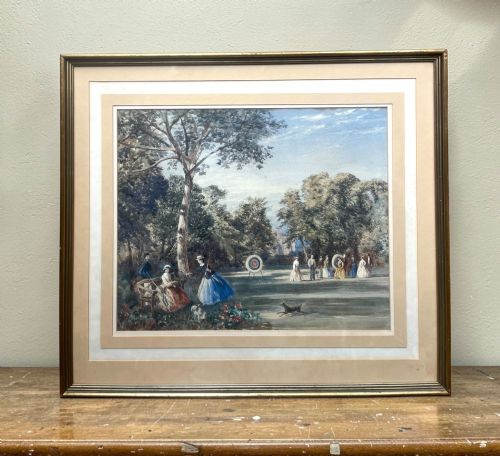
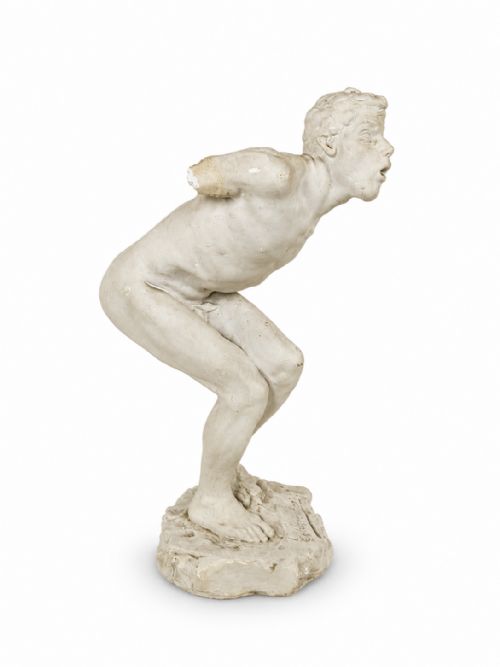
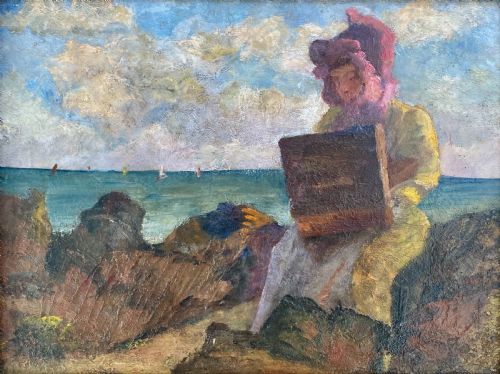
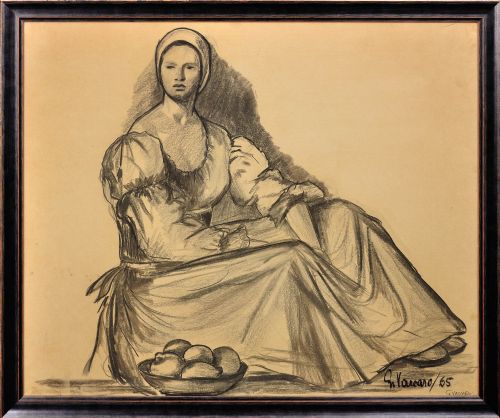
A figured art study brings together detailed representations of human figures and animals executed across several centuries. The selections on this page draw from 18th century compositions through to 1930s modernist pieces.
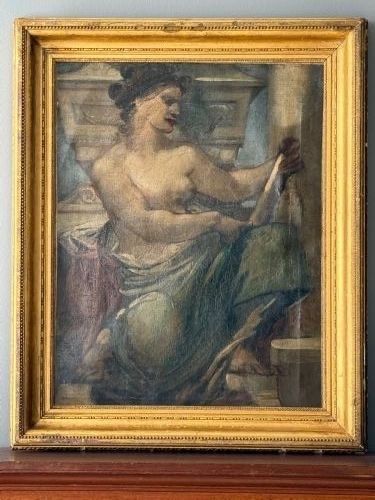
The material record on this page spans oil on canvas, paper drawings, and bronze sculptures. Collectors encounter academic nudes, portraits, and anatomical illustrations.
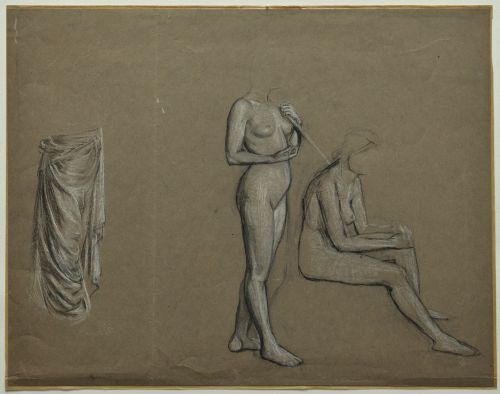
Works originate from British, French, and broader European schools, reflecting classical training methods and studio practices. These pieces range from preparatory sketches to finished exhibition works.
Materials and techniques
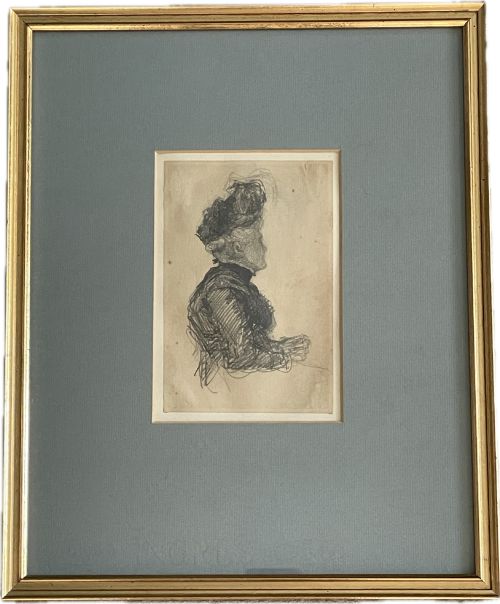
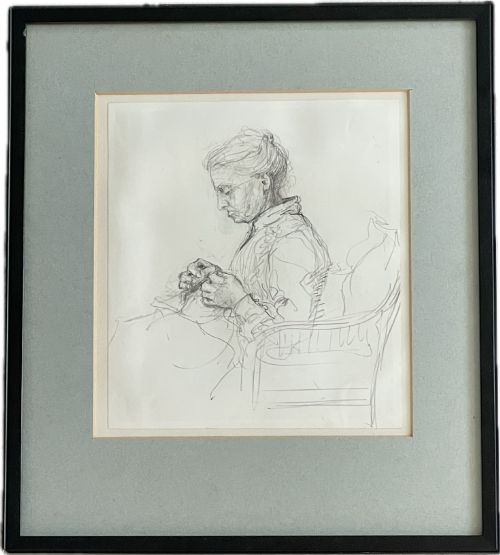
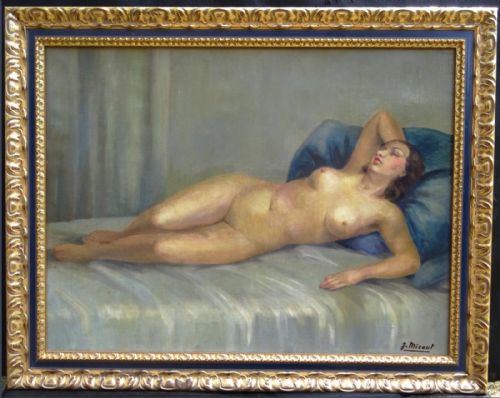
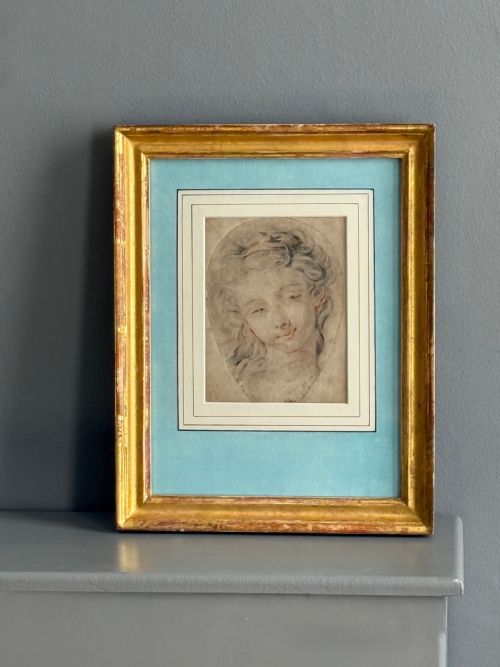
Artists utilised traditional media including graphite, charcoal, chalk, and ink on paper to record line and shadow. Oil on canvas and oil on board provide richer colour depth for painted portraits and figure compositions.
Sculptural studies were cast in bronze or carved, frequently mounted on marble plinths. Mixed media works combine several drawing agents to achieve tonal variation.
Figured Art Study Retail Price Guide 2026
Typical asking prices for figured art study among the pieces listed under this phrase on Sellingantiques today, from the lower quarter to the upper quarter. They describe what is for sale here now, not the wider market.
Listings feature works executed in graphite, charcoal, chalk, ink, and oil on canvas across the 18th, 19th, and 20th centuries.
Qualities of execution
Draftsmanship defines the upper tier of these works, where anatomical precision and line confidence reveal rigorous academic training. Softer compositions rely on subtle tonal gradation rather than rigid outlines.
The handling of medium distinguishes rapid preparatory sketches from fully realised studio studies. Preservation of the paper or canvas surface maintains the integrity of the original marks.
Francois Boucher·Bruno Zach·William Etty·Augustus John·Carl Haag
The Figured Art Study Glossary
- Academic realisim
- A style of painting and drawing produced under the influence of European academies of art. It emphasises conventional forms and precise anatomical rendering.
- En grisaille
- A painting executed entirely in shades of grey or neutral greyish-brown. This technique often serves to emulate sculpture or functions as a monochromatic study.
- Grand Tour
- A traditional trip of Europe undertaken by upper-class European young men of sufficient means. Etchings and drawings were frequently acquired as souvenirs.
- Mixed media
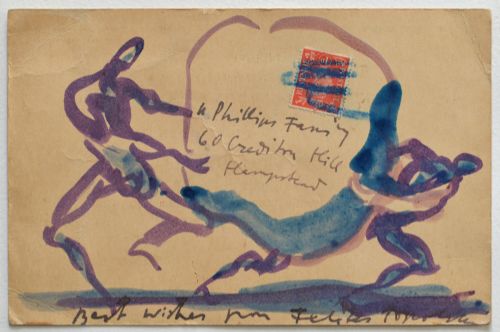
- An artwork in the making of which more than one medium or material has been employed. Artists combine charcoal, ink, and wash on a single sheet.
- Study
- A detailed drawing or painting made in preparation for a finished piece. These works capture specific limbs, poses, or facial expressions.
Figured Art Study: Frequently Asked Questions
What is an academic life study?
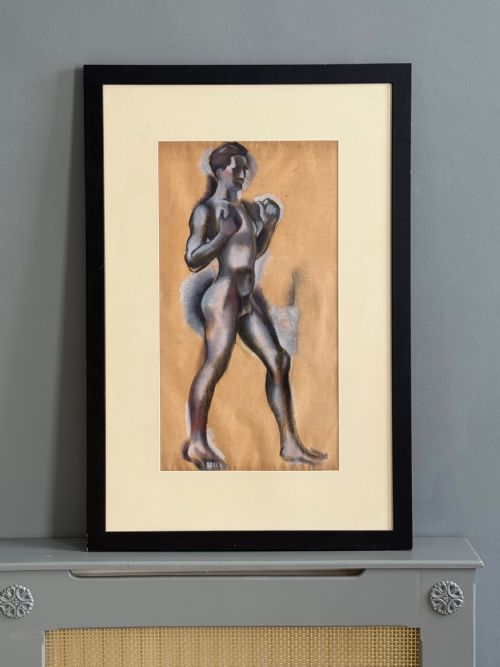
An academic life study is a drawing or painting of a live model, usually nude, created within a structured art school setting. These exercises taught students proportion, shadow, and muscle structure.
Such pieces show the direct observation of the human body without the idealisation found in finished historical paintings.
How do I care for antique drawings?
Antique drawings on paper require protection from direct sunlight to prevent the fading of graphite, ink, and watercolours. Acid-free mounting and framing preserve the paper from chemical degradation.
Keep these works in stable humidity conditions to avoid cockling or mould growth on the surface.
What defines Art Deco bronzes?
Art Deco bronzes feature stylised geometric forms, streamlined silhouettes, and dynamic poses. Artists of this movement focused on modern movement and sleek contours.
These sculptures often sit on contrasting bases such as black marble plinths.
Are these works preparatory pieces?
Many items listed are preparatory sketches intended to test compositions or lighting before executing a larger canvas. Artists kept these studies in portfolios as reference material.
Other examples were created as finished works for exhibition or academic submission.