

Figure Study Artwork
Figure study artwork captures the preparatory essence of academic training and the intimate directness of the human form across centuries.
Figure Study Artwork
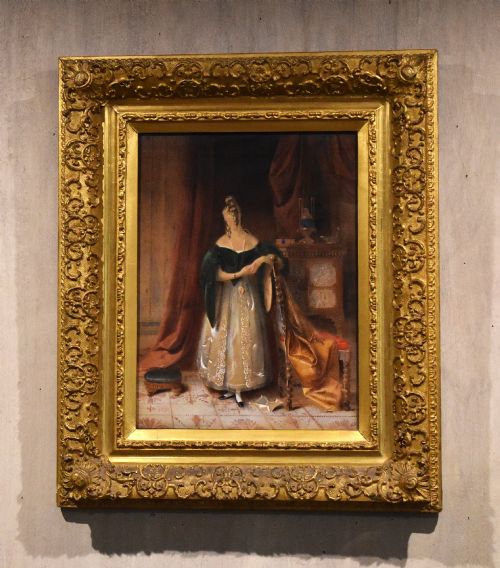
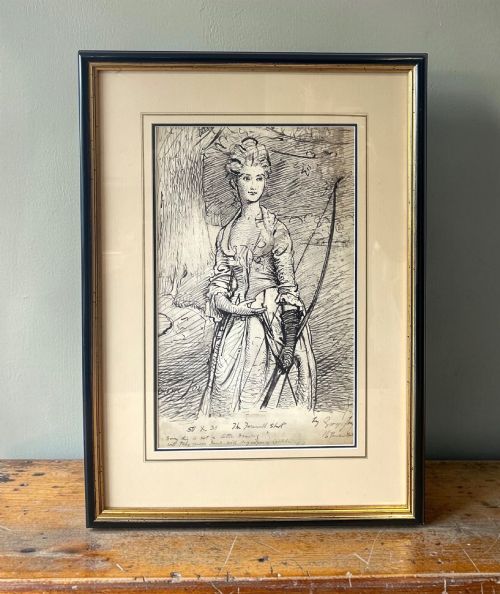
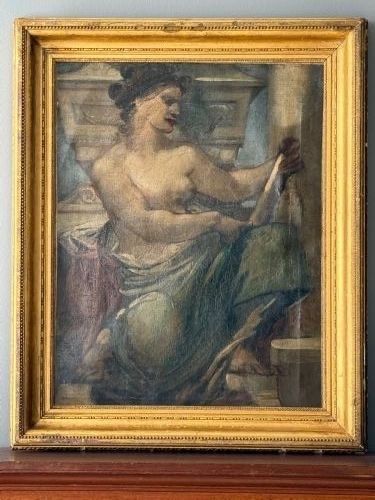
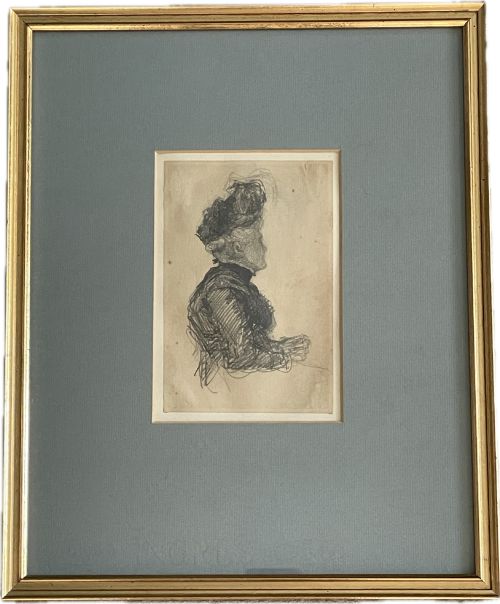
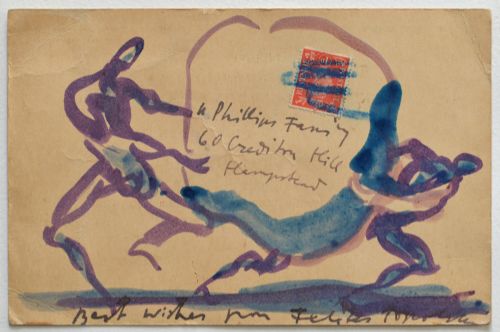
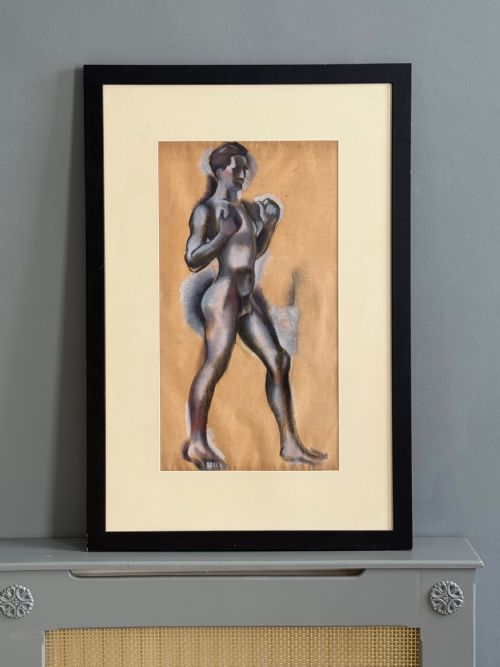
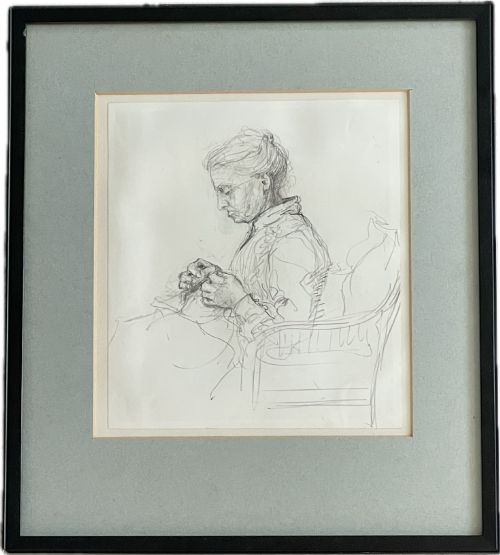
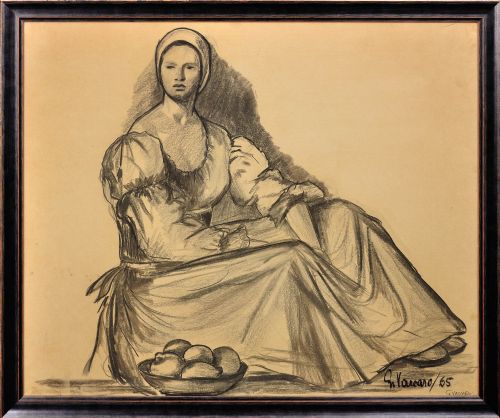
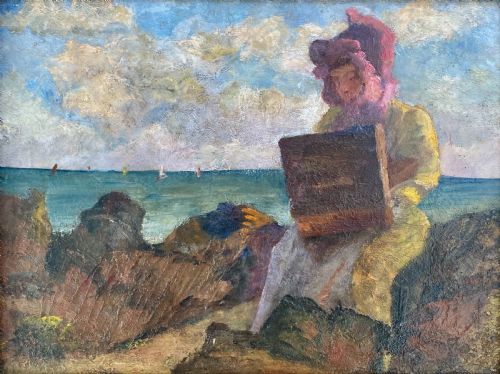
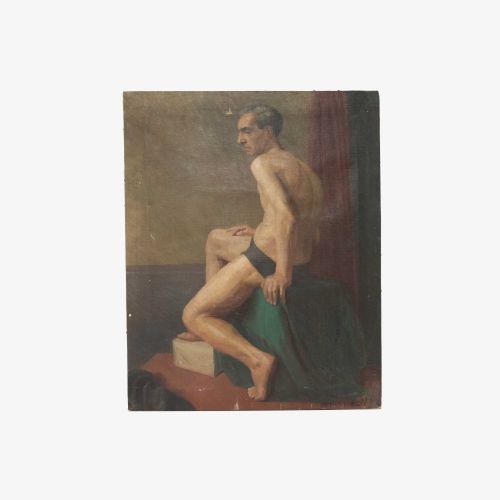
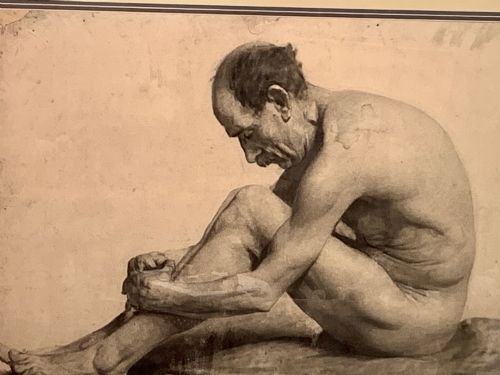
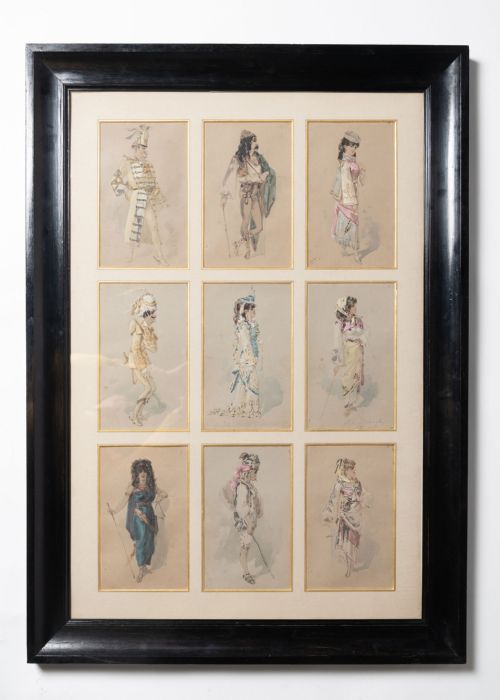
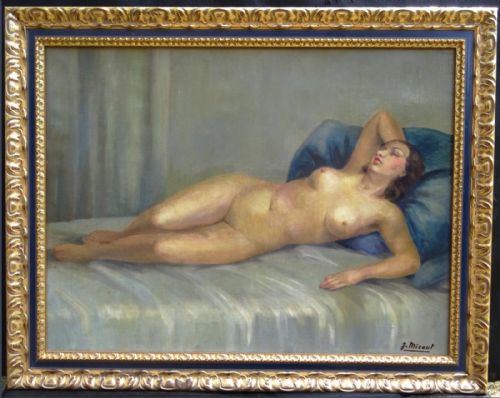
Figure study artwork encompasses preparatory sketches, life drawings, and finished oil paintings that focus primarily on the human figure. Buyers encounter works ranging from 18th-century classical academic renderings to mid-century modern interpretations.
Many items serve as direct records of studio practice, capturing anatomical proportions, postures, and drapery studies. Such works offer a direct window into the rigorous training methods historical artists underwent.
How they were made
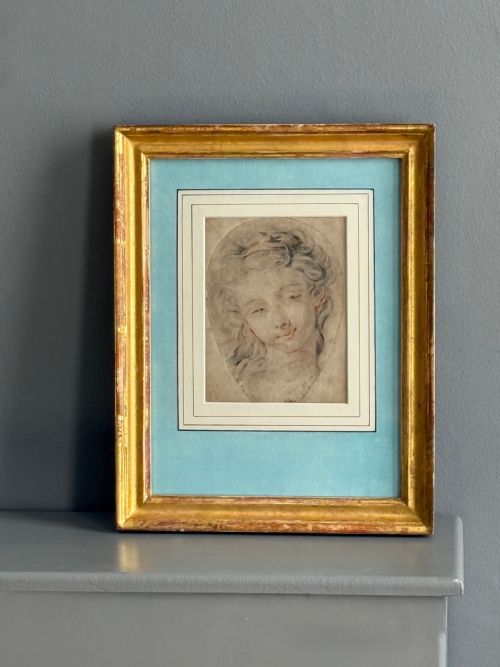
Artists utilised traditional drawing media such as graphite, charcoal, red chalk, and ink upon various weights of paper. These materials allowed for rapid gestural marks as well as careful tonal shading.
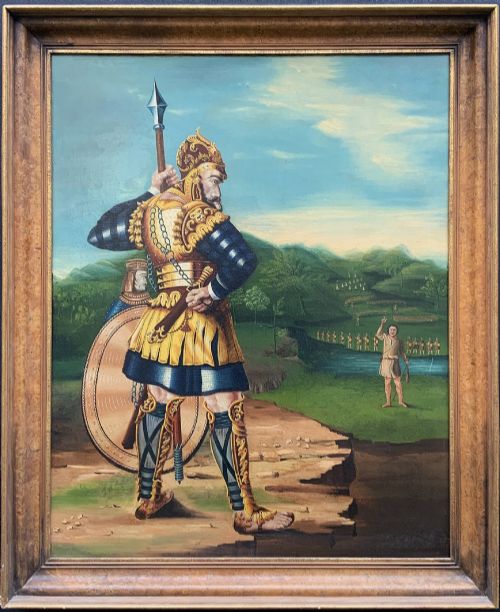
Painted studies employ oil paint applied to canvas, wood panels, or board, often building up layers to capture light and musculature. Mixed media and gouache also appear among the later 20th-century examples.
Framing forms an integral part of presentation, with many works housed in period gilt frames that complement the aesthetic of the artwork.
Figure Study Artwork Retail Price Guide 2026
Typical asking prices for figure study artwork among the pieces listed under this phrase on Sellingantiques today, from the lower quarter to the upper quarter. They describe what is for sale here now, not the wider market.
Materials documented across the pieces include canvas, paper, charcoal, oil paint, ink, and graphite.
What varies in quality
Anatomical precision and the sureness of the line separate accomplished works from routine student exercises. The confidence with which an artist renders bone structure and muscle tension dictates the visual impact.
The significance of the provenance and the attribution to a documented hand elevate the standing of a piece. Works linked to academy-trained artists or associated with specific historical movements carry distinct weight.
Condition plays a role, with well-preserved paper surfaces free from heavy foxing or discoloration retaining the intended contrast and delicacy of the original medium.
James Smetham·William Etty·Francois Boucher·Augustus John·Stephen Pearce·Samuel Rabin·Winifred Rymer·Alfred Dehodencq·Demetrios Galanis
The Figure Study Artwork Glossary
- Academic Realism
- A style of painting and drawing produced under the influence of European academies of art, emphasising precise anatomical accuracy and classical forms.
- Life Drawing
- The act of drawing a human figure from a live model, serving as a fundamental practice in artistic training.
- Recto and Verso
- Terms used to describe the front and the back of a single sheet of paper or panel bearing artwork on both sides.
- Deux Crayon
- A drawing technique utilising two distinct coloured chalks or pencils, typically black and white or red and black, to create tone and highlights.
- Preparatory Study
- A preliminary drawing or painting made by an artist in preparation for a larger, more finished composition.
Figure Study Artwork: Frequently Asked Questions
What is a figure study artwork?
A figure study artwork is a preparatory drawing or painting created to understand the anatomy, posture, and expression of the human body. These works are often made from life in an academy or studio setting.
They serve as direct evidence of an artist developing their technical skills rather than functioning as final exhibition pieces.
How were these drawings used historically?
Artists utilised figure studies to solve visual problems regarding light, shadow, and proportion before committing to larger compositions. They formed the backbone of traditional art education across European schools.
Over time, collectors recognised the spontaneous energy and expressive freedom captured within these working drawings.
How do I date a figure study?
Dating relies heavily on stylistic markers, costume details, paper types, and framing methods associated with specific periods like the 18th or 19th century. Inscriptions, signatures, or historical attributions written on the reverse also provide clues.
Comparative analysis with known works by the same school or artist helps narrow down the timeframe.
How should I frame and display paper works?
Works on paper require conservation-grade framing with acid-free mounts to prevent deterioration over time. Glazing with UV-filtering glass protects delicate charcoal, graphite, and chalk pigments from fading.
Display these pieces away from direct sunlight and high humidity to preserve the integrity of the paper and medium.