



Figure Drawing Portrait
A figure drawing portrait captures the human likeness through hand-rendered lines on paper or canvas, offering direct insight into the sitter's character.
Figure Drawing Portrait
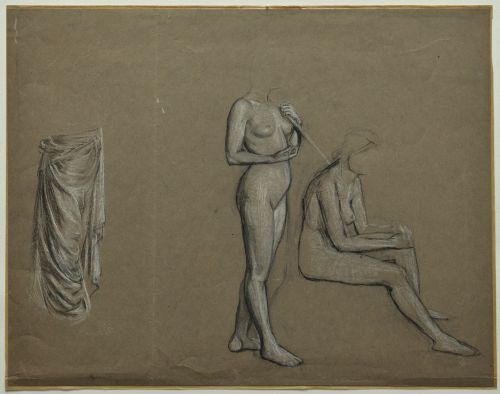
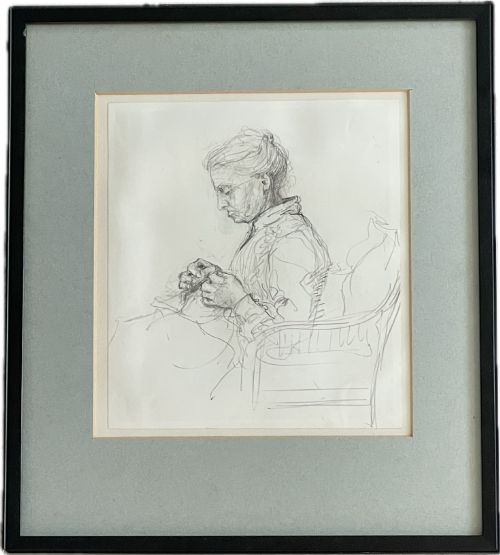
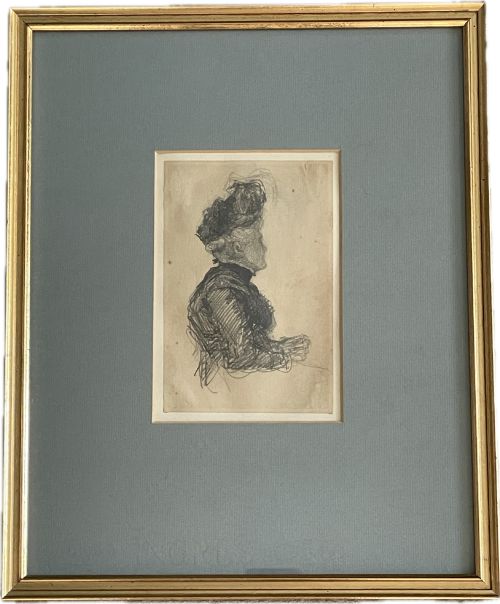
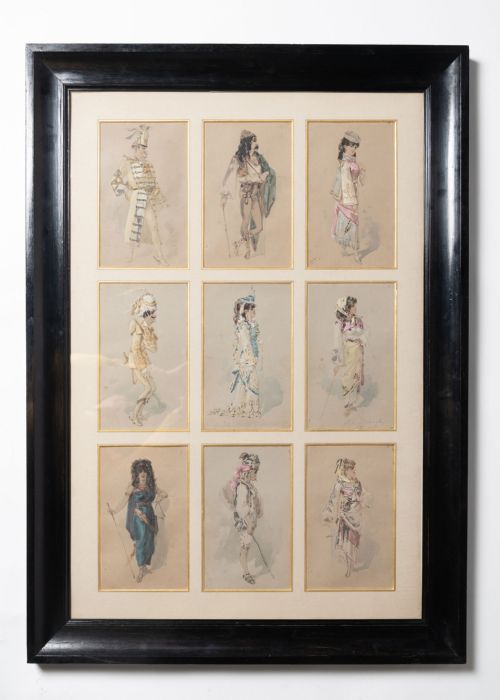
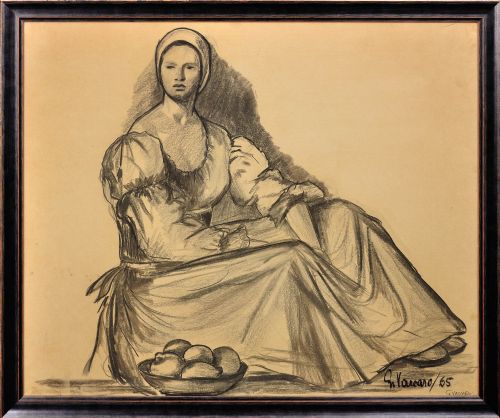
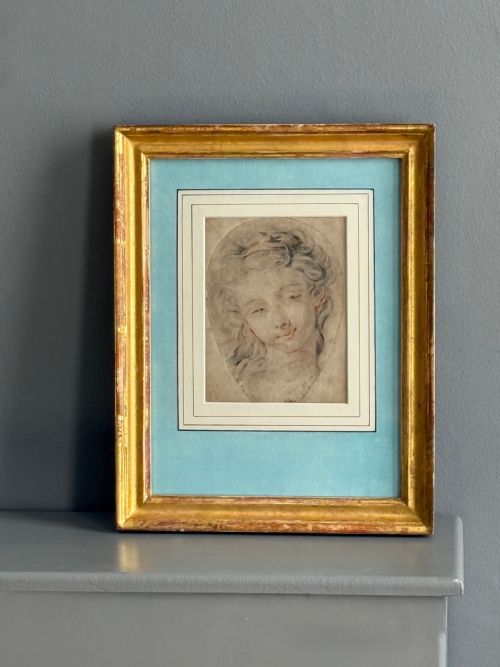
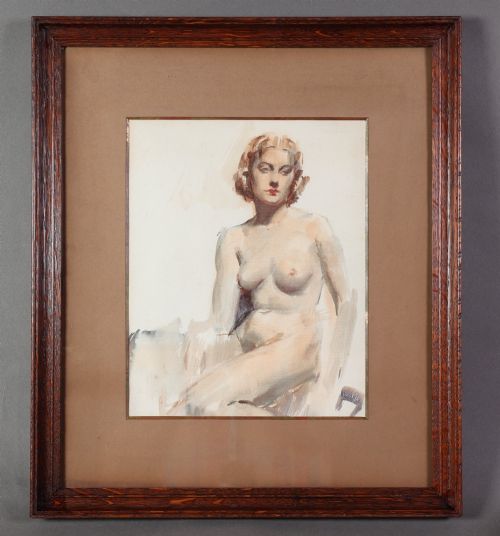
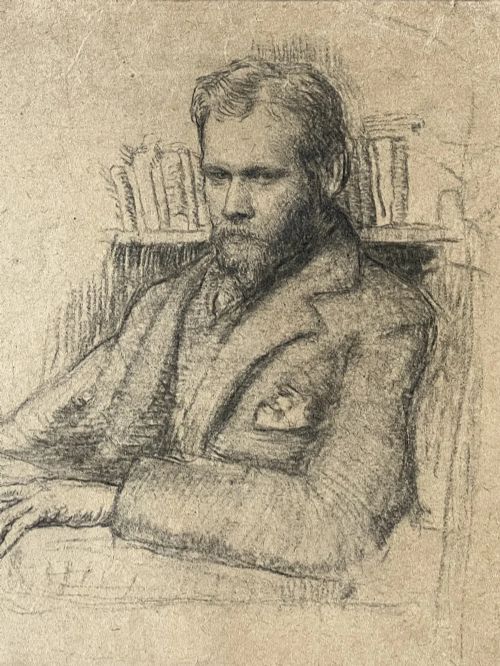
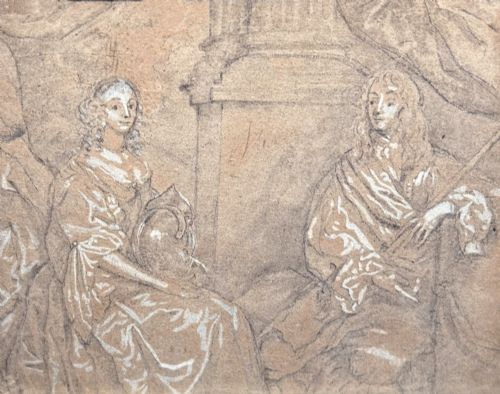
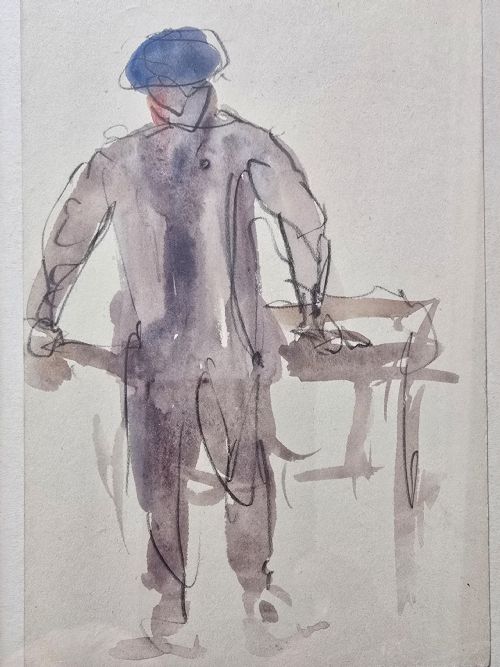
A figure drawing portrait combines the study of the human form with individual likeness, presenting subjects ranging from academic life studies to intimate sketches. You encounter works spanning multiple centuries, from the seventeenth century through to the mid-twentieth century.
The selections on this page appear primarily as framed wall art, drawings, and paintings. Creators utilise various supports, most frequently paper, canvas, and wood.
The origin of these works varies widely, encompassing British, French, Irish, Italian, and African schools. You find both finished presentation pieces and studio preparatory studies capturing fleeting expressions.
How they were made
Artists relied on dry media such as graphite, charcoal, chalk, and sanguine to build form through line and tone on paper supports. These materials allowed for immediate capture of gesture and shadow during life sittings.
Works frequently received framing in period settings, such as carved Florentine wood frames, which protected fragile works on paper from environmental damage.
Figure Drawing Portrait Retail Price Guide 2026
Typical asking prices for figure drawing portrait among the pieces listed under this phrase on Sellingantiques today, from the lower quarter to the upper quarter. They describe what is for sale here now, not the wider market.
Listings feature works executed in charcoal, graphite, chalk, pastel, watercolour, and ink upon paper and canvas.
What varies in quality
The authority of the draughtsmanship marks the distinction between routine studio exercises and masterworks. Confident, economical lines reveal an artist's deep understanding of anatomy and light.
Condition and preservation dictate the stability of works on paper, where foxing, fading, or paper toning influence visual clarity. Original framing and the presence of documented artist signatures add contextual weight.
Francois Boucher·Peter Lely·Augustus John·Lucien Freud·Laura Knight·George Richmond
The Figure Drawing Portrait Glossary
- Sanguine
- A reddish-brown chalk used extensively for portrait drawings and life studies. It allows for warm tonal modelling of the human skin.
- Academic Realism
- A style of painting and drawing produced under the influence of European academies of art. It emphasises precise anatomical accuracy and classical proportions.
- Foxing
- Brown spots caused by chemical reactions that frequently affect antique paper over time. It appears commonly in nineteenth-century watercolours and drawings.
- Life Study
- A drawing or painting executed directly from a live model. These works often focus on gesture, musculature, or posture rather than a finished portrait likeness.
Figure Drawing Portrait: Frequently Asked Questions
What is a figure drawing portrait?
A figure drawing portrait is an artwork focusing on the human body and face executed in media such as pencil, charcoal, or pastel.
These pieces range from rapid preparatory sketches made in art schools to formal finished portraits intended for exhibition.
How do I care for antique paper drawings?
Works on paper require protection from direct sunlight and high humidity to prevent fading and paper degradation.
Displaying them behind conservation-grade glass helps preserve the delicate charcoal, chalk, or watercolour pigments.
What styles are common in these portraits?
The inventory includes academic realism, Victorian academic studies, Edwardian works, and mid-century modern pieces.
Earlier centuries often reflect classical European school traditions, while later periods embrace expressive modern techniques.
How can I tell the period of a drawing?
Dating relies on the paper type, framing style, costume details of the sitter, and documented artist signatures.
Stylistic conventions of specific eras, such as Regency silhouettes or art deco linework, provide further chronological clues.