









Figural Desk Light
A figural desk light brings sculptural form and functional illumination to a room, uniting human, animal or mythical subjects with practical task lighting.
Figural Desk Light
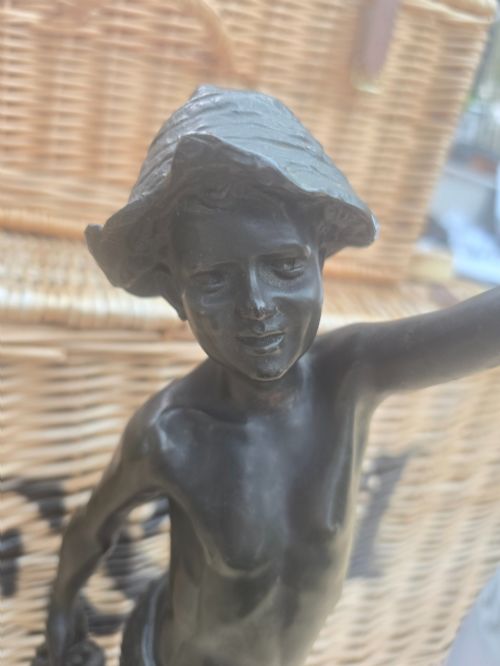
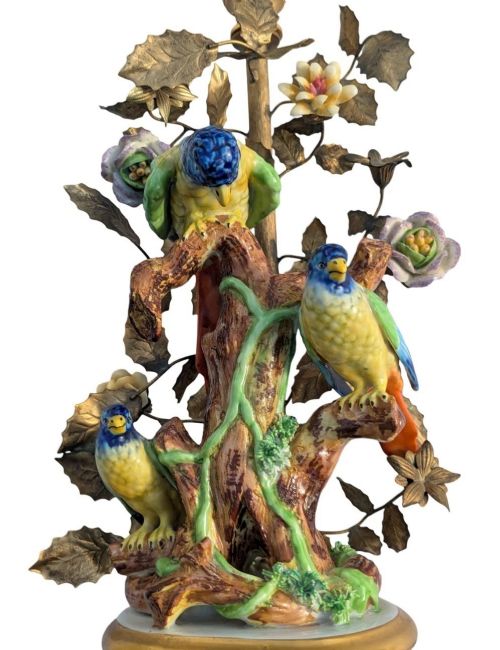
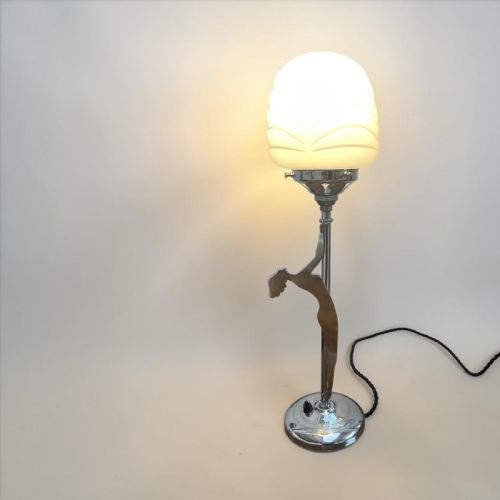
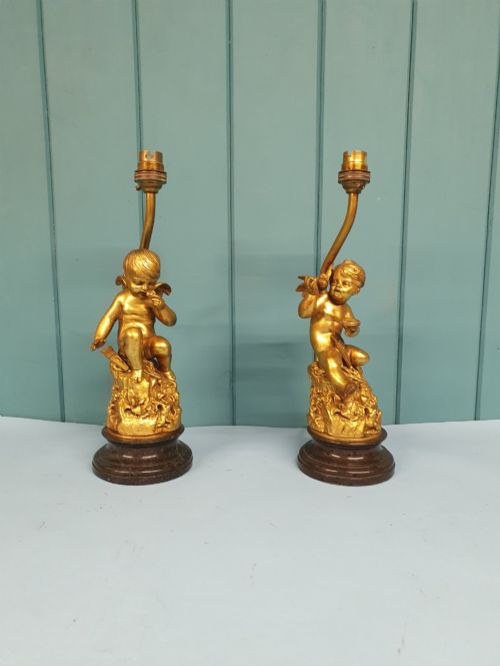
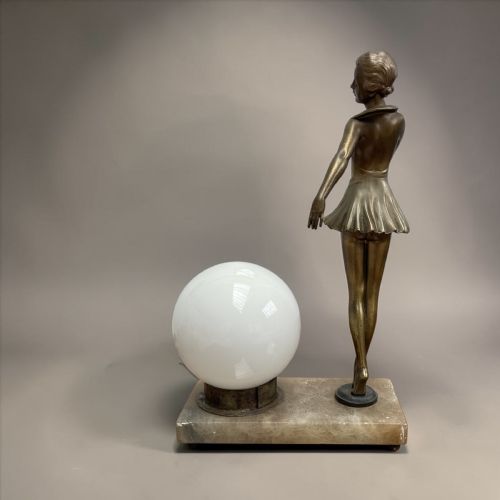
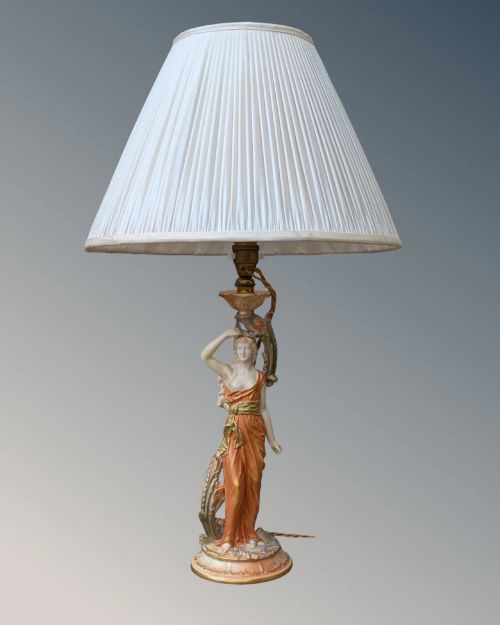
A figural desk light takes the form of a sculpted human figure, cherub, putto, or animal integrated directly into a table lamp base. When searching this phrase, buyers encounter works ranging from classical deities and mythological figures to stylized Art Deco ladies.
The pieces listed span periods from the Regency era through the 19th Century and into the 1920s, 1930s and 1940s. Table lamps dominate the selection, appearing alongside specific table and desk variants.
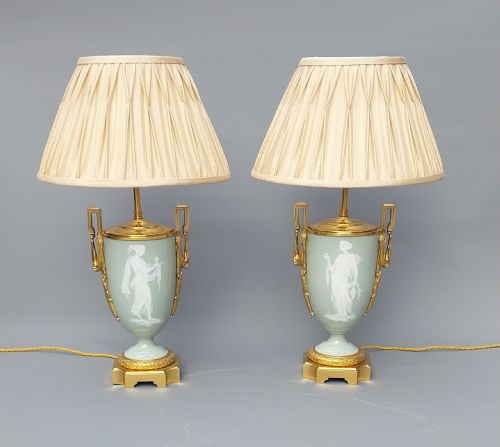
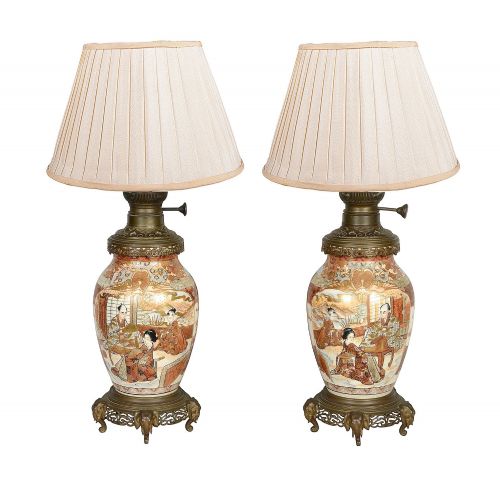
Originating from diverse European and Asian traditions, these items include French neoclassical bronzes, Japanese Satsuma vases adapted as lamps, and British or continental spelter and porcelain figures.
How they were made
Makers utilised a variety of durable casting and modelling techniques, combining metals such as bronze, brass, or spelter with carved elements in marble, onyx, alabaster, and root wood.
Porcelain and glass components, including frosted glass, celadon pâte-sur-pâte, and blue and white ceramics, were shaped and fired before integration with metal mounts and electrical or oil fittings.
Figural Desk Light Retail Price Guide 2026
Typical asking prices for figural desk light among the pieces listed under this phrase on Sellingantiques today, from the lower quarter to the upper quarter. They describe what is for sale here now, not the wider market.
Listings feature table lamps created during the 19th Century, Regency period, and the 1920s to 1940s.
What varies in quality
The refinement of the casting and the crispness of detail in the figural elements separate the standard examples from superior works. Finer pieces display clean chiselling on bronze and ormolu surfaces and delicate hand-painting on porcelain.
The choice and integrity of mounting materials also dictate quality, with solid marble bases, genuine alabaster, and original fire-gilt mounts commanding greater distinction than later alloy replacements.
L & F Moreau·Karl Ens·Anton Buschelberger·Emile Picault·Ivan Zaiec·Aug. Moreau·Walther and Sohne
The Figural Desk Light Glossary
- Spelter
- A zinc alloy frequently utilised as a cost-effective substitute for bronze in 19th and early 20th-century decorative figures. It accepts patination and metallic paint finishes well.
- Ormolu
- Gilt bronze produced by applying a finely ground high-carat gold-mercury amalgam to a bronze base. It provides a rich, durable golden surface.
- Pâte-sur-pâte
- A ceramic technique where liquid clay is applied layer by layer to a dried clay body to build up a low-relief cameo effect. It requires great skill from the ceramicist.
- Alabaster
- A fine-grained, translucent stone carved into decorative bases and lamp bodies. It allows soft diffusion of light when placed near a bulb.
- Satsuma
- Japanese earthenware pottery decorated with intricate enamel patterns and gilt highlights. Many examples were subsequently exported and fitted as lamps.
Figural Desk Light: Frequently Asked Questions
What is a figural desk light?
A figural desk light is a functional lamp whose base depicts a sculpted person, animal, or mythological character. These pieces merge practical workspace illumination with decorative sculpture.
They appear in materials ranging from cast bronze and spelter to carved wood and painted porcelain across multiple decorative periods.
How were these lamps used historically?
Historically, these lamps provided targeted task lighting for writing desks, reading tables, and side cabinets in domestic interiors. They served both as utilitarian light sources and as status objects showcasing artistic taste.
Many examples began as oil or gas lamps before being converted to electricity during the 20th century.
How do I date a figural lamp?
Dating relies on identifying the prevailing artistic style, such as Art Nouveau, Art Deco, or Neoclassical, alongside the materials and manufacturing techniques used. Maker signatures, foundry marks, and ceramic stamps offer further chronological clues.
construction methods and wiring entry points also help distinguish original 19th-century pieces from later revivals.
How do I care for antique lamp materials?
Care depends entirely on the specific material of the figure and base. Dust metal components gently with a dry cloth and avoid abrasive cleaning agents that can strip patination.
Porcelain and glass sections require mild soap and water where removable, while natural stone and wood need protection from excessive moisture.