




Figural Ceramic Lamps
Figural ceramic lamps combine sculptural human, animal or narrative forms with functional lighting, bringing distinct decorative presence to an interior.
Figural Ceramic Lamps
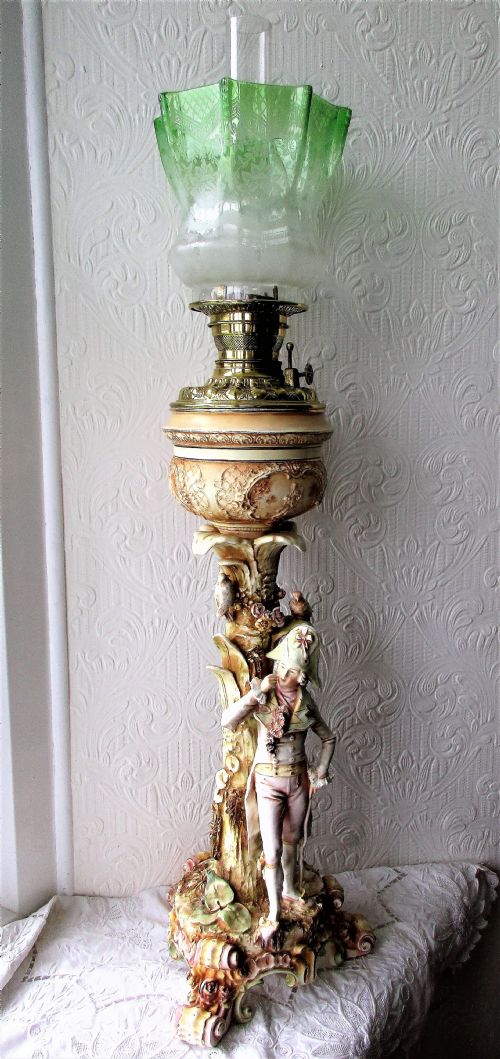
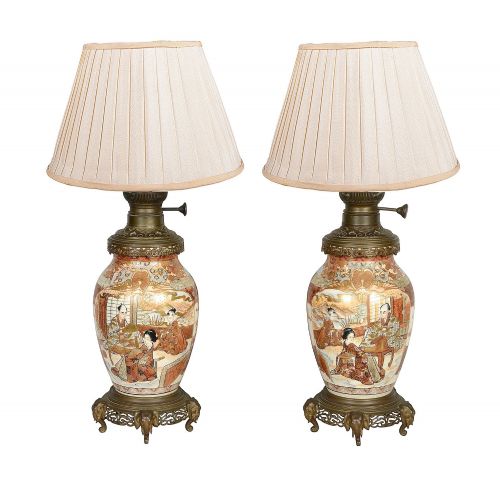
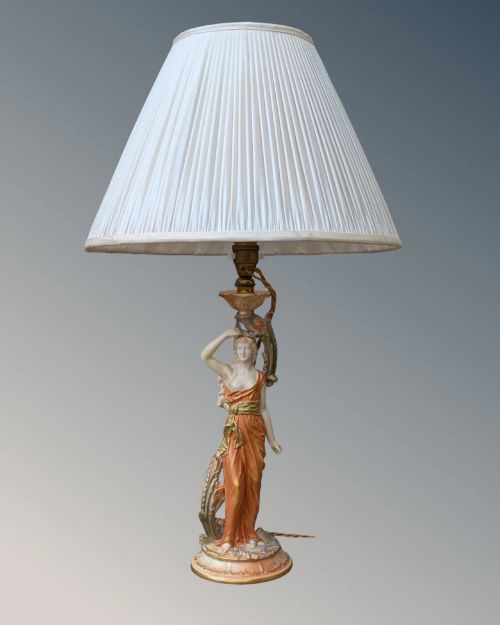
Figural ceramic lamps transform traditional vessels, vases, ginger jars and sculptural figures into wired lighting, drawing on diverse global aesthetic traditions. When people search for figural ceramic lamps, they encounter items derived from nineteenth-century Victorian pieces up through nineteen-twenties Art Deco designs. Common variations include Japanese Satsuma ware, Chinese famille rose and turquoise glaze ginger jars adapted for illumination.
Many examples utilise porcelain and earthenware bodies mounted on brass, metal or wooden bases, occasionally paired with fabric or silk shades. The physical forms range from converted nineteenth-century oil lamps and veilleuses to matched pairs of baluster vases fitted for electricity. These objects bridge decorative arts and practical function, originating from European and Asian workshops alike.
How they were made
The construction of these lamps relies on shaped and fired ceramic bodies, including porcelain, earthenware and crackleware, often hand-painted with detailed polychrome enamel or blue and white glazes. Artisans combined these ceramic elements with metal components such as brass mounts, bronze fittings and weighted china bases to ensure stability. Later adaptations frequently integrated electrical wiring into older vessels, sometimes utilising existing apertures in vases or oil lamp fonts.
Surface decoration techniques involve intricate hand-brushing, glazing and kiln-firing before any metalwork or mounting takes place. Japanese Satsuma pieces and Chinese export wares demonstrate specific regional glazing methods, while Art Deco and Victorian examples show distinct moulding and finishing practices. The integration of fabric and silk shades completes the assembly, balancing the heavy ceramic and metal weight above.
Figural Ceramic Lamps Retail Price Guide 2026
Typical asking prices for figural ceramic lamps among the pieces listed under this phrase on Sellingantiques today, from the lower quarter to the upper quarter. They describe what is for sale here now, not the wider market.
Some of these lamps began life as quiet Victorian oil burners or spice jars before finding a second career holding lightbulbs.
What varies in quality
Quality in these pieces rests upon the fineness of the ceramic body, the precision of the hand-painted or glazed detail, and the integrity of the original manufacture versus later conversions. Superior examples exhibit crisp moulding, balanced proportions between the ceramic figure and its base, and high-grade metal mounts that complement the pottery rather than masking defects. Matched pairs command greater attention than single items due to the difficulty of keeping identical decorative vessels intact over decades.
The sophistication of the glaze and the artistic merit of the painted scenes separate standard production pieces from finer studio or export works. Original period mounts and hardware score differently from modern replacement parts, while the condition of the underlying ceramic - free from major structural compromise - dictates the enduring standing of the object.
Royal Worcester
The Figural Ceramic Lamps Glossary
- Satsuma
- A type of Japanese earthenware featuring a pale, ivory-coloured crackle glaze decorated with enamel and gilt. These wares were frequently exported to the West and later converted into decorative table lamps.
- Famille rose
- A Chinese ceramic palette characterised by opaque pink or rose enamel colours introduced during the Qing dynasty. This palette appears predominantly on ginger jars and vases adapted into lighting.
- Veilleuse
- A small French ceramic night light or food warmer originating in the nineteenth and early twentieth centuries. These figural ceramic pieces were later repurposed as distinctive low-level lamps.
- Crackleware
- Pottery featuring a network of fine cracks intentionally created in the glaze layer during the cooling process. This finish is commonly found on Chinese vases adapted for domestic illumination.
- Ginger jar
- A storage vessel with a wide body and high shoulder, originating in China for spices and dry goods. In interior design, these jars are frequently drilled and mounted as ceramic lamps.
Figural Ceramic Lamps: Frequently Asked Questions
What are figural ceramic lamps?
These pieces are decorative lighting fixtures built from ceramic figures, vases, ginger jars or oil lamp bodies. They merge sculptural forms with functional electricity to illuminate domestic spaces.
Origins span nineteenth-century Victorian and Anglo-American designs to nineteen-twenties Art Deco creations and Asian export wares like Satsuma and famille rose.
How were these lamps used?
Historically, many of these ceramic bodies served as oil lamps, vases or decorative vessels before being converted into electrical table lamps. They provided ambient illumination while acting as sculptural centrepieces on tables, sideboards and desks.
In modern interiors, they function similarly, drawing the eye through their painted glazes, crackleware finishes and metallic mounts.
How do you date a ceramic lamp?
Dating relies on examining the ceramic body, glaze characteristics, style markers and any associated metal mounts. Pieces from the nineteenth century often show different potting techniques and wear patterns compared to nineteen-twenties Art Deco or early twentieth-century Chinese export items.
The presence of original brass mounts or period wiring components also aids in establishing the manufacturing era.
How do I live with a ceramic lamp?
Living with these lamps involves placing them on stable surfaces where their weight and delicate glazes are protected from accidental knocks. Pairing them with compatible fabric or silk shades balances the proportions of the ceramic body below.
Care should be taken with dusting the hand-painted surfaces and ensuring electrical components meet current safety standards.