


Female Nude Art
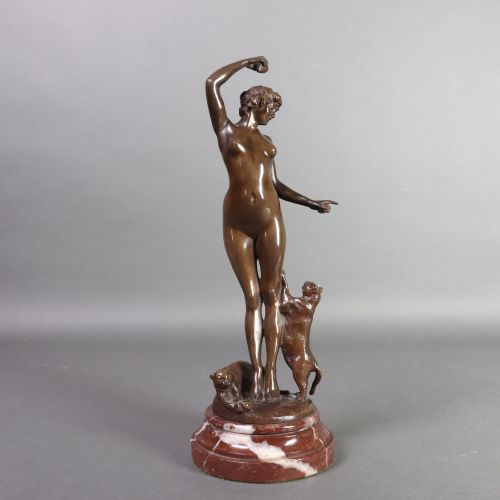
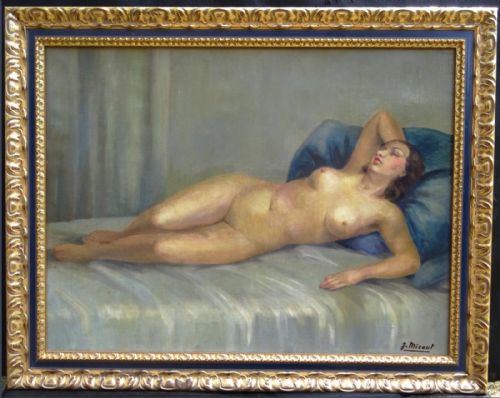
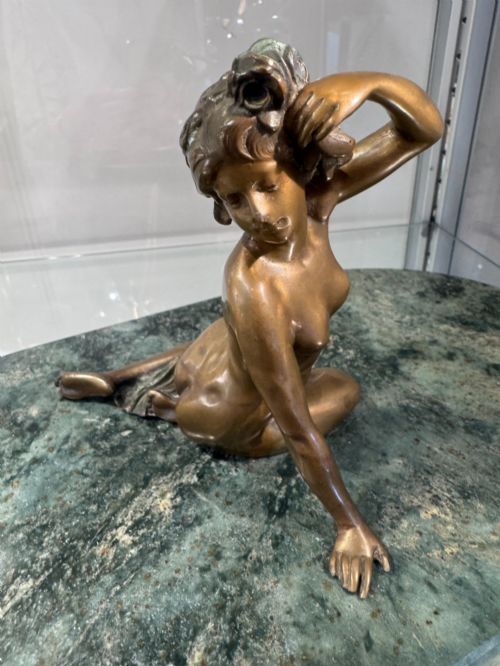
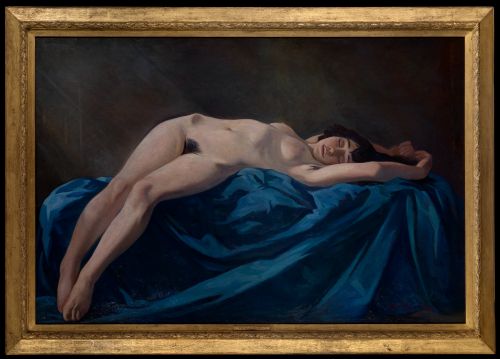
Female nude art captures the human form across bronze, marble, and oil, offering collectors a direct link to academic, Art Nouveau, and Art Deco traditions.
Female Nude Art
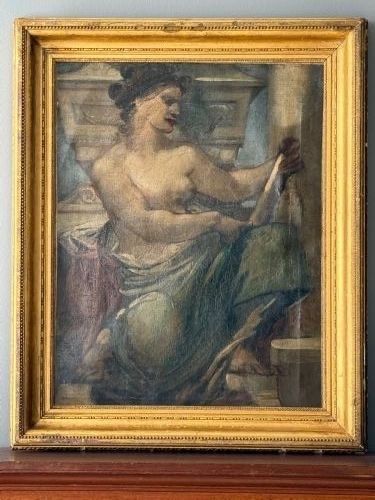
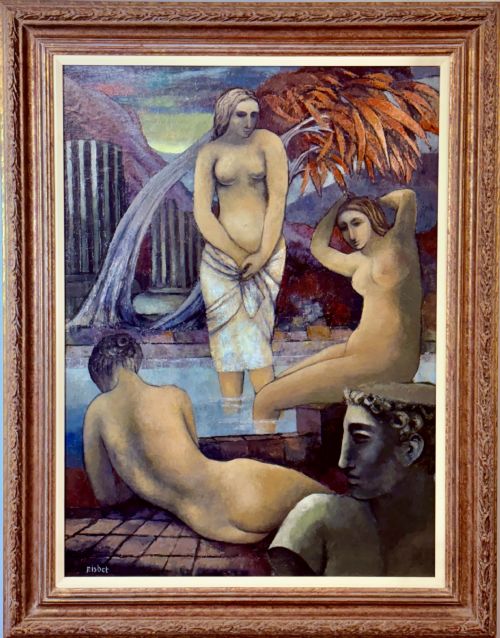
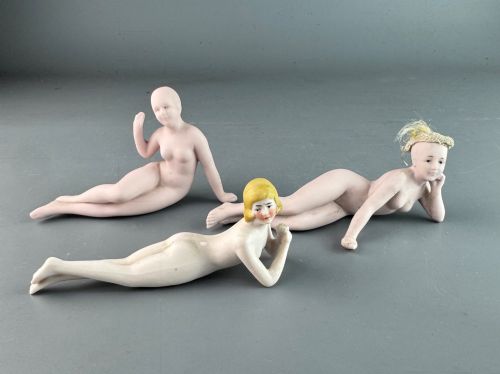
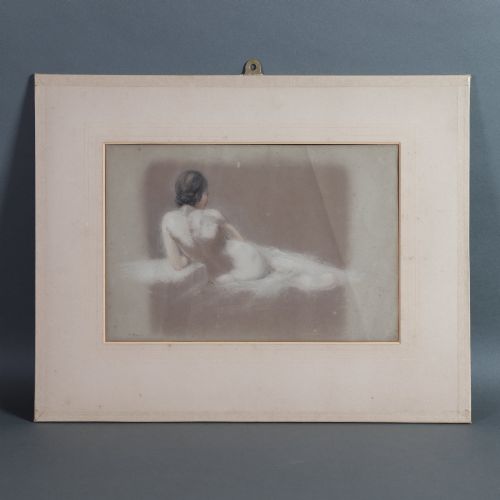
When you search for female nude art, you encounter a diverse array of sculptures, paintings, and drawings spanning the nineteenth and twentieth centuries. The selection encompasses bronze figures, oil paintings on canvas, and hand-tinted photographs originating from British and European studios.
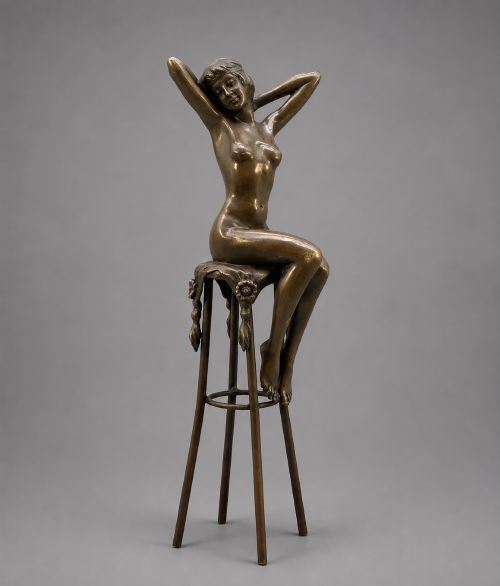
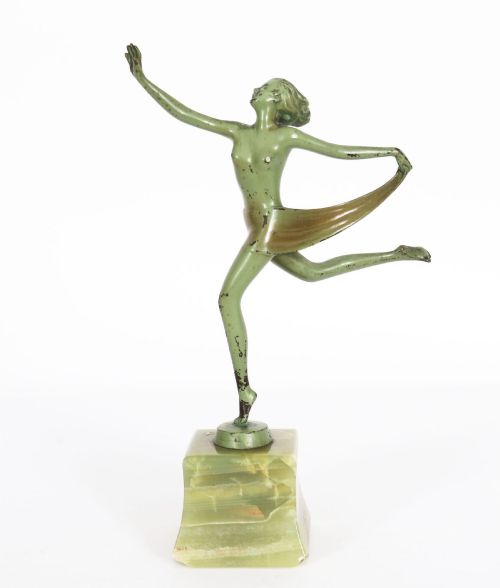
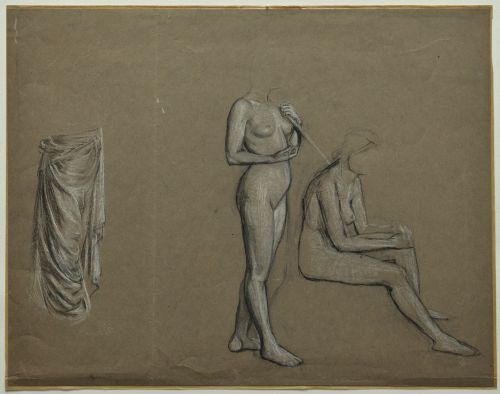
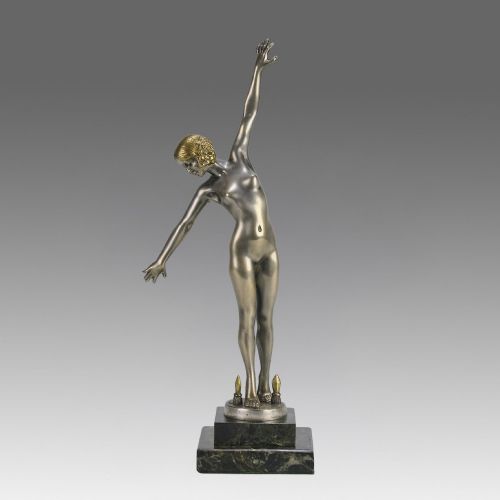
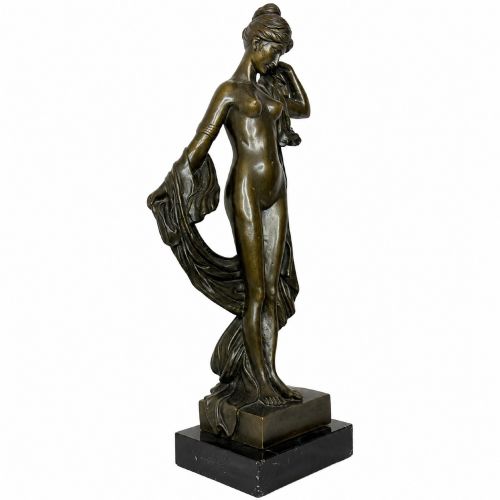
The versions you meet most frequently on this page belong to the Art Deco and Art Nouveau periods, alongside nineteenth-century French academic works. These range from patinated bronze statuettes mounted on marble bases to framed oil on canvas portraits and intimate charcoal studies.
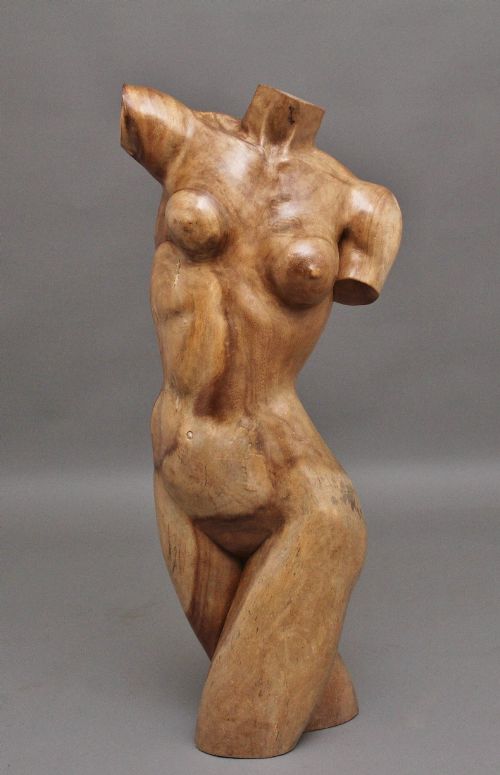
Makers and schools represented stretch from the nineteenth-century French academic tradition to mid-century British and Cornish oil paintings. Forms vary from classical reclining figures and dancers to stylised decorative lamps and modernist studies.
How they were made
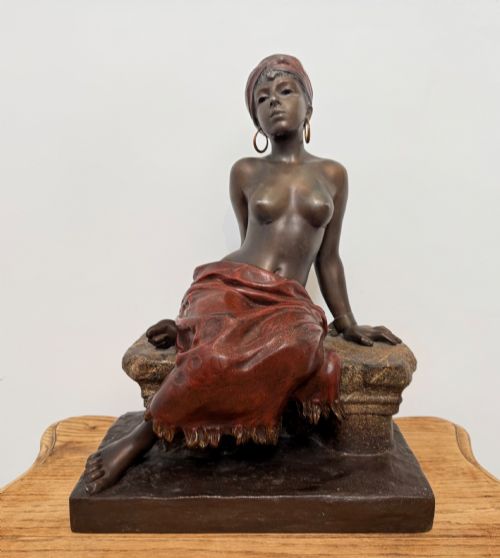
Sculptures in the collection utilise metals such as bronze, gilt bronze, and spelter, frequently cast using the lost-wax method and finished with cold-painted details or patination. Many figures are integrated with carved marble, alabaster, or onyx bases that provide weight and contrast.
Two-dimensional works rely on traditional media including oil paint on canvas and board, charcoal, mixed media, and paper. Photographers of the early twentieth century employed hand-tinting techniques on black and white photographic prints to add colour and warmth.
Female Nude Art Retail Price Guide 2026
Typical asking prices for female nude art among the pieces listed under this phrase on Sellingantiques today, from the lower quarter to the upper quarter. They describe what is for sale here now, not the wider market.
The selection includes British and European schools, representing Art Nouveau, Art Deco, and French Academic styles.
What varies in quality
For paintings and drawings, quality is determined by the confidence of the line, the handling of light and shadow, and the preservation of the pigment on canvas or paper. Original period framing and documented attribution to known artists also elevate the standing of individual pieces.
Ouillon Carrere·Gustave Dussart·Rudolf Küchler·William Etty·Eric Robertson·E Villanis·Josef Lorenzl·Philippe de Rougemont·Demetre Chiparus·Julian Mandel·Augustus John·Raymond Moritz·Tony Giles·André Charles Voillemot·Henri Vincent-Anglade·Lucien Gibert·Gaetan Dumas·Sibylle May·Allan Douglas Davidson·Pierre-Paul Prud'hon·Fritz Kochendorfer·Hector Lemaire·Aristide Maillol
The Female Nude Art Glossary
- Cold-painted bronze
- A technique where bronze sculptures are painted with cold enamel paints rather than fired in a kiln. This method was widely used in Austrian foundries during the early twentieth century.
- Spelter
- An alloy of zinc and copper used as an economical alternative to bronze. It was commonly utilised for Art Deco figurines and required a patinated finish to mimic genuine bronze.
- French Academic
- A style of painting and sculpture produced under the influence of the academies of art in France. It adheres to strict classical standards of proportion, mythological themes, and polished technique.
- Patination
- The natural or artificial process of producing a surface film on metal through oxidation or chemical treatment. It alters the colour and protects the underlying bronze.
- Intimist
- An artistic style focusing on quiet, domestic interior scenes with figures. It is closely associated with turn-of-the-century Post-Impressionist painters.
Female Nude Art: Frequently Asked Questions
How do I identify Art Deco bronzes?
Art Deco bronzes feature stylised, geometric lines and often combine metal with materials like marble or onyx. Look for subjects such as dancers and modernist figures produced during the 1920s and 1930s.
Signatures from known sculptors of the period frequently appear on the base or plinth. The patination and weight of the metal also help confirm the period of manufacture.
What is cold-painted bronze?
Cold-painted bronze refers to metal sculptures decorated with non-fired paint. Austrian foundries specialised in this technique, producing vibrant figures of dancers and orientalist subjects.
Care is required when cleaning these pieces, as the historic paint surface can be fragile and sensitive to modern solvents.
How should I care for oil paintings on canvas?
Keep oil paintings away from direct sunlight and fluctuating humidity to prevent the canvas from sagging and the paint from cracking. Display them on interior walls with stable environmental conditions.
Dust gently with a soft, dry brush, and avoid using liquid cleaners or water on the painted surface.
Are alabaster sculptures fragile?
Alabaster is a softer stone than marble and is susceptible to scratching and moisture damage. Handle carved figures with clean hands and support them firmly from the base.
Display alabaster away from areas prone to bumps or high humidity to preserve the delicate translucent finish.