




Female Aristocrat Portrait
A female aristocrat portrait brings centuries of aristocratic presence into a room through oil on canvas, copper, and print.
Female Aristocrat Portrait
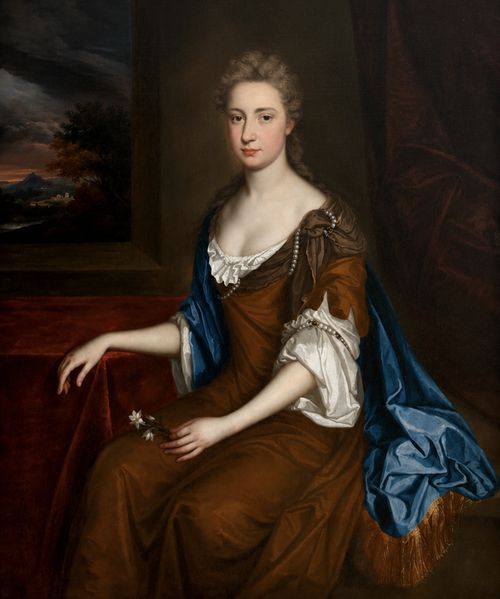
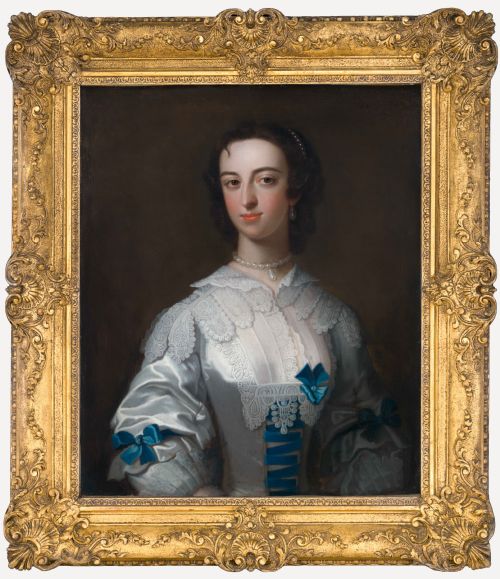
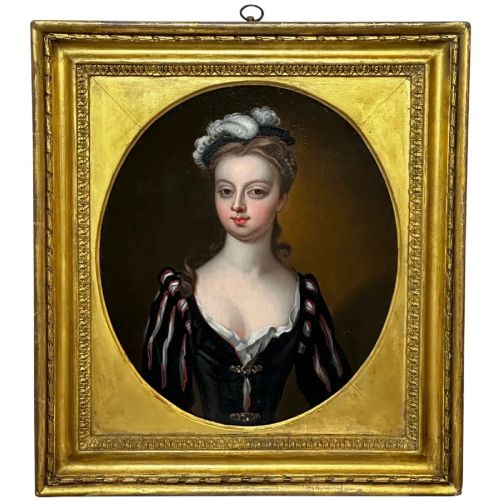
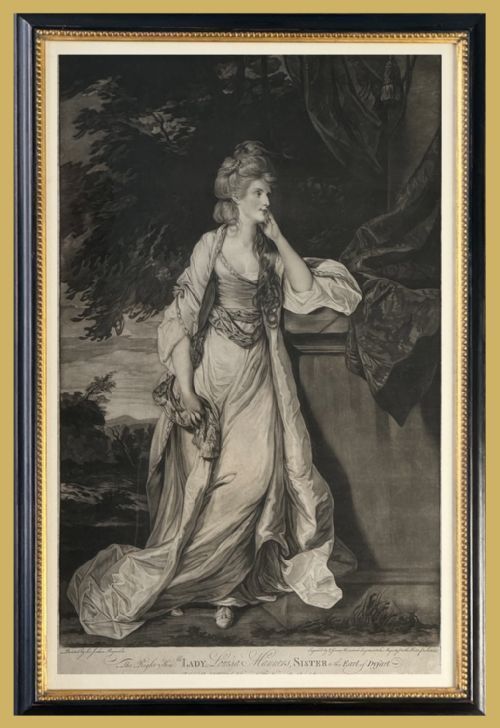
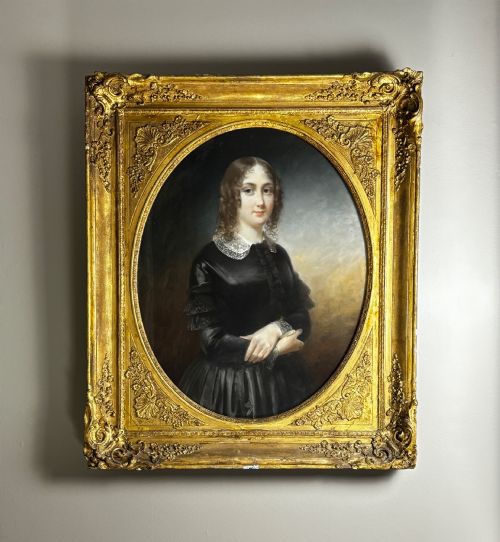
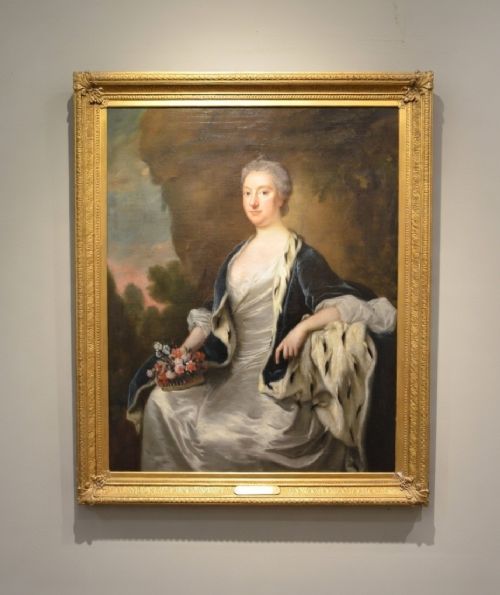
A female aristocrat portrait captures titled women from the seventeenth, eighteenth, and nineteenth centuries in painted or printed form. These works emerge from Georgian, Victorian, Baroque, and Edwardian periods, recording individual subjects with specific titles such as countess, duchess, or lady.
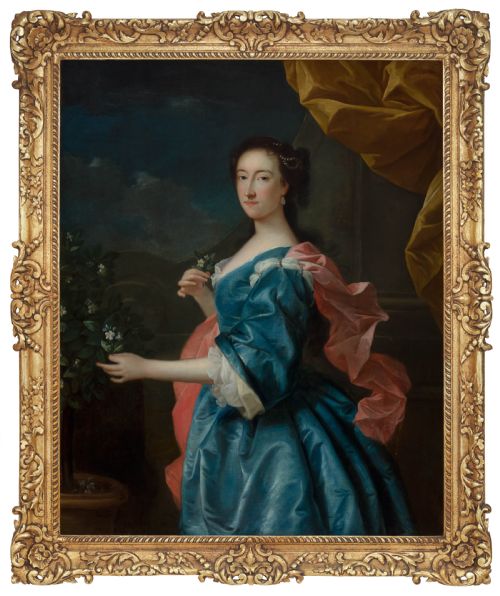
The most frequent examples on this page are eighteenth-century oil paintings on canvas, alongside prints and works from the seventeenth and nineteenth centuries. Subjects often appear with distinct attributes like orange trees or specific attire that mark their social standing.
How they were made
Makers built these pieces using oil paint on canvas or copper, alongside paper for print works like mezzotints. Canvases received layers of pigment to render fabrics and flesh tones, while copper plates provided a smooth ground for miniature or detailed oil portraits.
Frames of giltwood or gilt wood surround many of these works, shaped from wood and finished with gold leaf or metallic paint to complement the painted compositions.
One eighteenth-century countess shares her canvas portrait with an orange tree and orange blossom.
What varies in quality
The distinction between works rests on the strength of attribution and the skill of the brushwork in capturing likeness and texture. Pieces linked directly to notable painters or circles through documented provenance command greater scholarly interest than anonymous studio productions.
Preservation of the original paint surface and the matching quality of the period frame influence the overall integrity of the piece. Finer works display confident handling of drapery, expression, and background detail.
Jeremiah Davison·Valentine Green·Sir Joshua Reynolds·John Vanderbank·Sir Godfrey Kneller·John Horsburgh
The Female Aristocrat Portrait Glossary
- Mezzotint
- A printmaking process of the intaglio family where the plate is roughened to achieve deep tones and subtle gradations of light. This technique was frequently used in the eighteenth century to reproduce painted portraits.
- Baroque
- An artistic style spanning the seventeenth and early eighteenth centuries characterised by dynamic movement and rich detail. Portraits from this period often feature dramatic lighting and theatrical drapery.
- Giltwood
- Wood carved and covered with a thin layer of gold leaf or gilt paste. It is commonly found on the frames housing eighteenth and nineteenth-century canvases.
- Attributed to
- A term used when a work shows the style of a specific artist but lacks definitive documentation of their hand. It indicates strong stylistic parallels with a known master's workshop.
Female Aristocrat Portrait: Frequently Asked Questions
What periods do these portraits cover?
The works span from the seventeenth century through the Baroque era, the Georgian and Victorian periods, and into the early twentieth century.
Most examples originate in the eighteenth and nineteenth centuries, reflecting shifts in portraiture styles across those eras.
How were these paintings originally displayed?
Aristocratic portraits hung in country houses and town residences to establish family lineage, status, and heritage.
They were typically mounted in prominent reception rooms within heavy giltwood frames designed to project wealth.
What materials are used besides canvas?
Certain works employ copper as a rigid support for oil paint, particularly for smaller scale portraits.
Prints utilise paper with ink, while frames combine carved wood with gold leaf finishes.
How do I identify the subject of a portrait?
Inscribed names, titles, or heraldic elements on the canvas or frame often identify the depicted lady.
Archival records, sitter attributes such as specific plants, and historical genealogies provide further confirmation.