

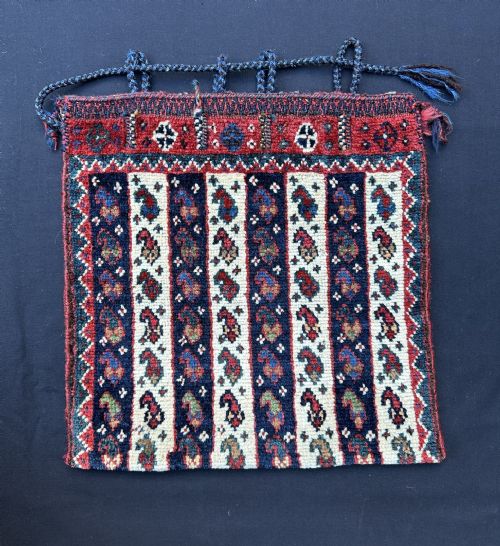
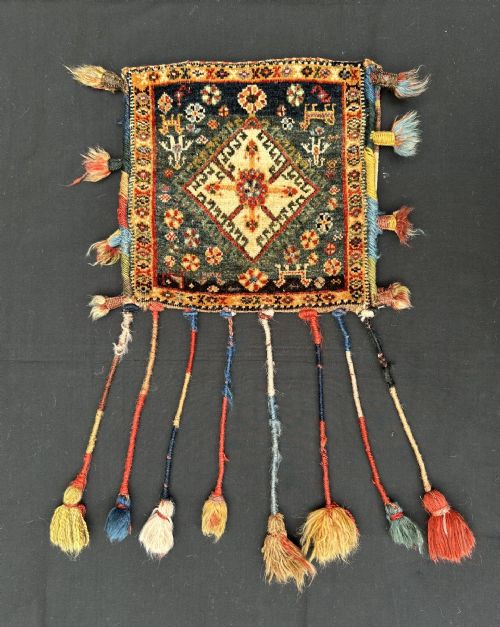
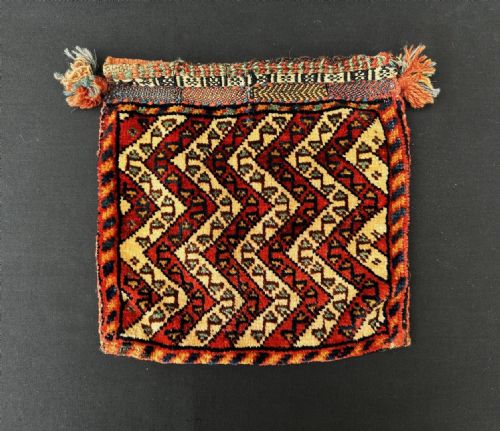
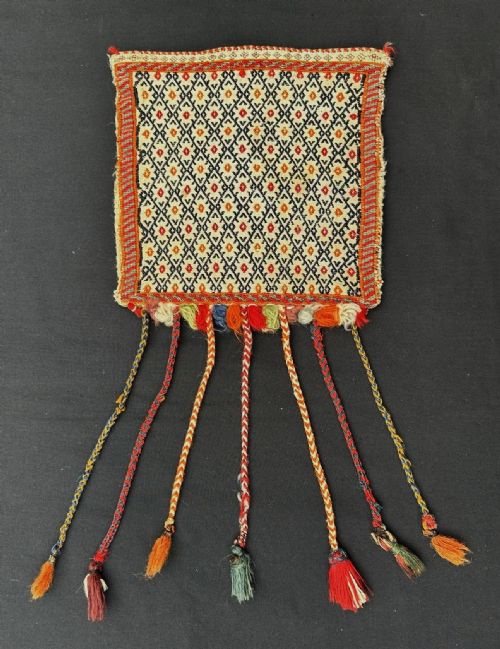





Fars Province Bag
These fars province bag pieces are woven tribal textiles from south-west Persia that bring rich village history and tactile warmth into a modern room.
Fars Province Bag
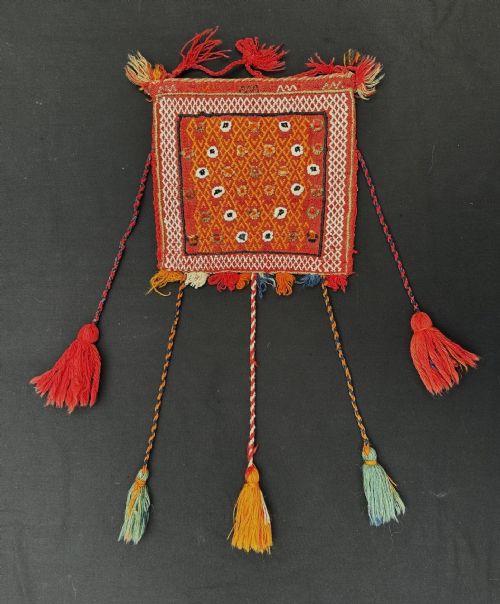
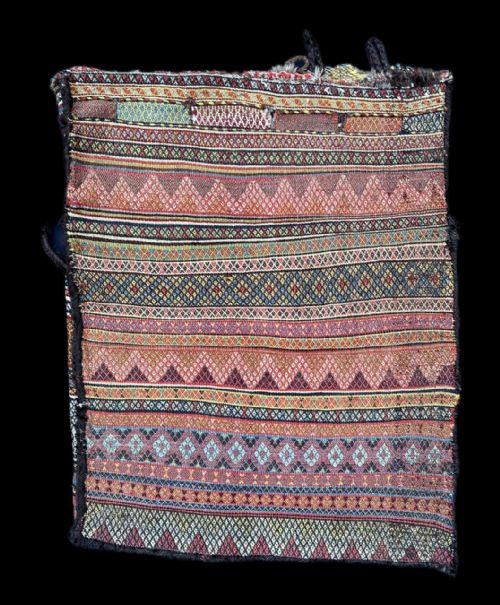
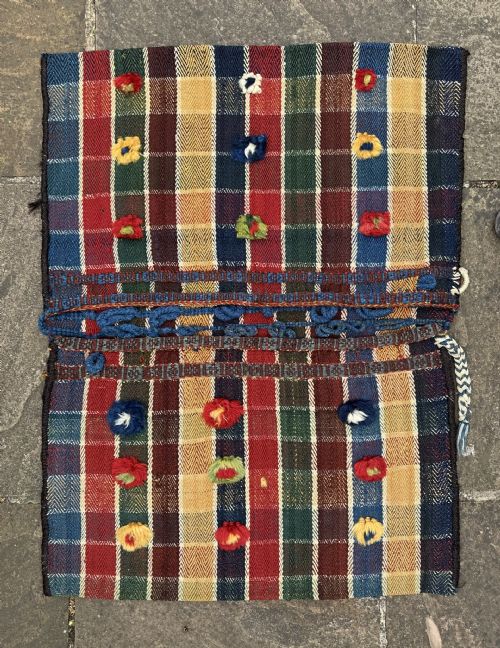
When you examine a fars province bag, you are looking at practical woven containers created by nomadic groups of the Qashqa'i Confederacy in south-west Persia. These items include vanity-bags, salt-bags, saddle-bags, and storage-bags originating from the late nineteenth century around eighteen-eighty to nineteen-hundred.
Materials and Construction
The construction relies on hand-spun wool combined with cotton foundations to ensure both structural integrity and pliable texture. Weavers utilised natural dyes to achieve deep colour palettes that endure across decades of use.
The techniques reflect traditional Persian tribal methods, utilising tight knotting and flat-weaving to build durable bags meant to withstand the rigours of nomadic migration and camp storage.
Fars Province Bag Retail Price Guide 2026
Typical asking prices for fars province bag among the pieces listed under this phrase on Sellingantiques today, from the lower quarter to the upper quarter. They describe what is for sale here now, not the wider market.
Judging Quality in Tribal Textiles
Quality in a fars province bag depends on the fineness of the wool preparation and the precision of the knotting. Finer spinning and denser pile separation distinguish higher-grade examples from coarser utility pieces.
The depth and consistency of the natural dyes also dictate worth, with well-preserved colour variations showing superior dye-pot mastery. The complexity of the tribal design layout and structural preservation complete the assessment.
The Fars Province Bag Glossary
- Tayefeh
- A designated clan or sub-tribe within the broader Qashqa'i Confederacy structure. This term helps identify the specific lineage responsible for a textile.
- Saddle-bag face
- The decorative front panel of a larger transport bag severed from its rear web. These panels are often preserved independently as wall or floor displays.
- Natural dyes
- Colourants derived from plants, insects, and minerals rather than synthetic formulas. They produce the organic hues seen in nineteenth-century Persian tribal weaving.
- Hand-spun wool
- Fleece processed manually into yarn using a spindle rather than an industrial mill. This creates yarn with varied thickness and natural lanolin retention.
Fars Province Bag: Frequently Asked Questions
How were these bags used?
Nomadic families utilised these woven pieces for storing personal items, salt, or water pipes during seasonal migrations across south-west Persia.
They functioned as essential household equipment, hung inside tents or strapped to pack animals for daily transit.
How do I care for wool textiles?
Protect the fabric from direct sunlight to prevent natural dye fading and vacuum gently without using a rotating brush attachment.
Keep the environment dry and well-ventilated to protect the hand-spun wool from moisture and insect damage.
Can I hang them on walls?
Mounting these flexible textiles on a wall is a common way to display the intricate patterns without causing foot traffic wear.
Ensure weight is distributed evenly across a sleeve or mounting strip rather than pulling on isolated stitches.
What defines Qashqa'i style?
The style draws on traditional Persian tribal motifs, geometric medallions, and stylized animal or plant forms handed down through generations.
Specific sub-tribes incorporated distinct colour combinations and border arrangements unique to their ancestral camps.