





Farmhouse Settle Bench
A farmhouse settle bench provides high-backed seating designed to shield the seat from draughts.
Farmhouse Settle Bench
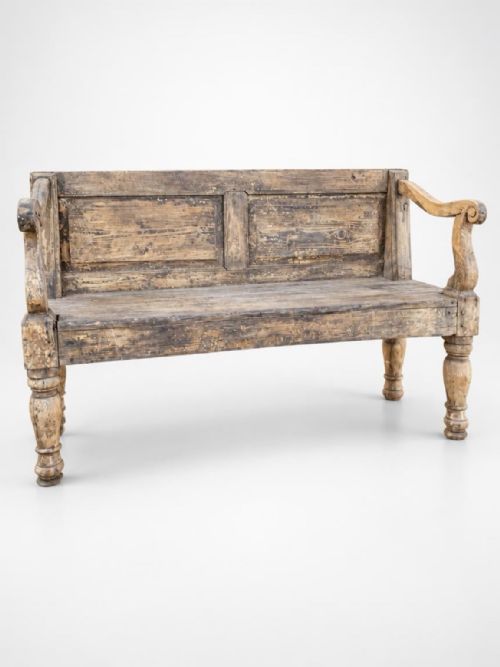
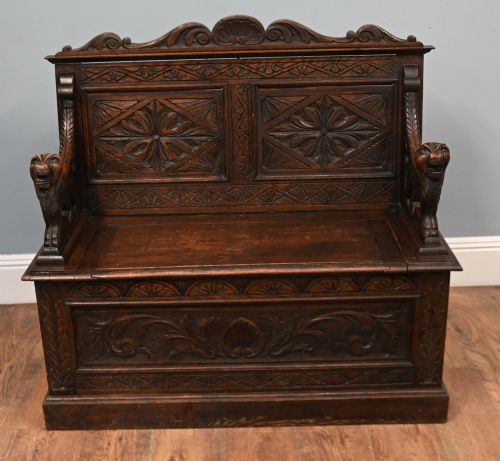
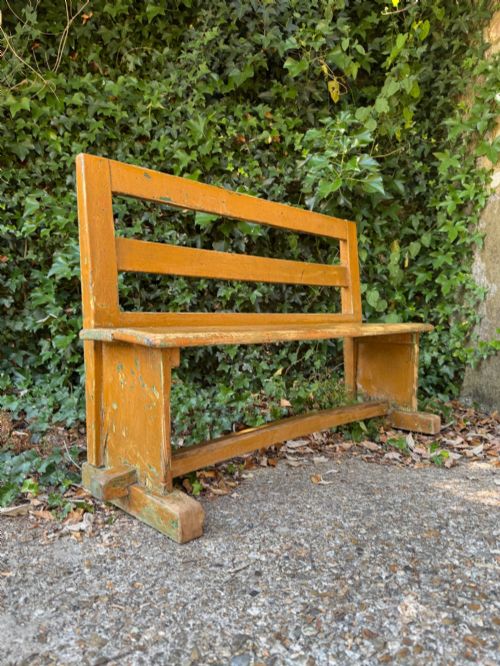
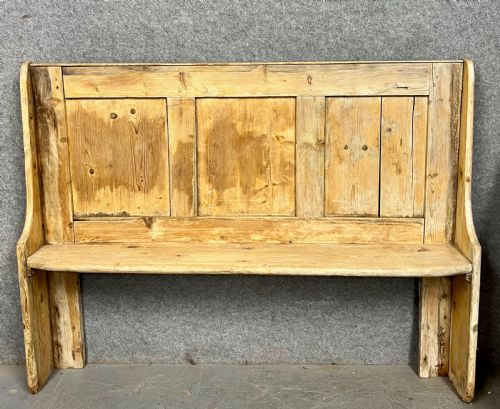
A farmhouse settle bench is a traditional seating form that combines a solid bench base with a high wooden back and protective wing arms. These pieces originate across various regional traditions, including English country houses, French provincial settings, and Austrian folk art workshops.
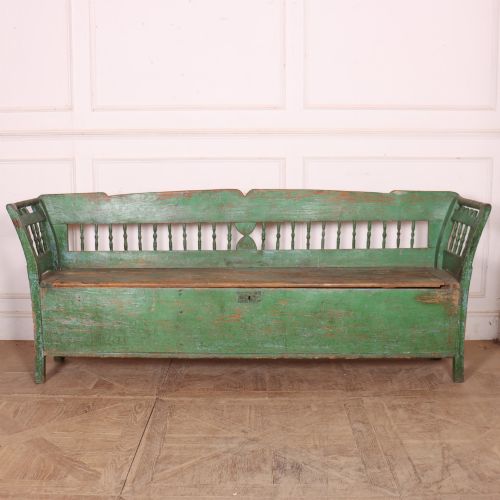
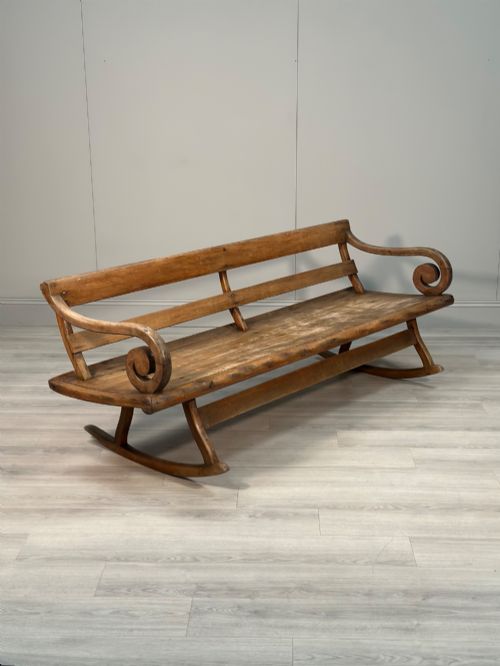
The versions most commonly met on this page date from the nineteenth century, including specific years like 1870 and 1880, as well as mid-century examples from around 1840. Forms range from high back settles and rocking settles to curved settles and long dining benches.
These items served primarily to block cold air in large farmhouse kitchens and halls before central heating existed. They remain practical seating options for modern hallways, kitchens, and dining spaces where substantial wooden furniture anchors the room.
Materials and construction
Makers built these settles from solid woods available locally, utilising pine, oak, chestnut, and mixed timber. Construction often combines robust framing with pegged joints and panelled backs to withstand daily kitchen use.
Surface treatments vary from natural timber finishes, such as bleached chestnut, to original painted surfaces seen on Austrian folk art examples. Iron fittings occasionally appear in hinges and structural reinforcements.
Farmhouse Settle Bench Retail Price Guide 2026
Typical asking prices for farmhouse settle bench among the pieces listed under this phrase on Sellingantiques today, from the lower quarter to the upper quarter. They describe what is for sale here now, not the wider market.
Listings feature nineteenth-century pieces spanning pine, oak, chestnut, and painted finishes across Austrian, French, and English rustic styles.
Qualities that set examples apart
The distinction between standard utility seating and finer examples lies in the integrity of the timber and the retention of original surface finishes. Original painted decoration on Austrian pieces commands greater interest than stripped or later painted surfaces.
Proportion and structural form also separate pieces, where curved backs, integrated rocking mechanisms, or uncommon lengths like very long dining benches demonstrate regional craftsmanship and specific functional design.
The Farmhouse Settle Bench Glossary
- Settle
- A wooden bench with a high back, solid arms, and often a storage box beneath the seat. This form provided shelter from cold draughts in traditional interiors.
- High back
- A tall vertical wooden panel structure rising behind the seat. It maximised protection against cold air currents in large rooms.
- Wing arms
- Extended solid wooden sides connected to the back and armrests. They further deflected draughts away from the person seated.
- Bleached chestnut
- Timber treated to lighten its natural tone. This finish highlights the grain while softening the overall appearance of the wood.
- Folk art
- Decorative craft traditions created within rural communities. Austrian examples frequently display this painted regional character.
Farmhouse Settle Bench: Frequently Asked Questions
How old are these settles?
The examples on this page date primarily from the nineteenth century, with specific items recorded from around 1840, 1870, and 1880.
Construction details and regional styles help place these items within this nineteenth-century timeframe.
What woods were used?
Makers constructed these benches from solid timbers including pine, oak, chestnut, and general mixed wood. Surfaces were either left as natural timber or finished with paint.
Regional availability determined the timber choice, resulting in pieces made from durable local woods.
Where should I place one?
These benches suit large hallways, farmhouse kitchens, and spacious dining areas where their high backs and substantial length create a focal point. They function well against plain walls.
Ensure adequate floor space is available, as high-backed wooden settles have a strong visual and physical presence in a room.