



Farmhouse Pine Storage
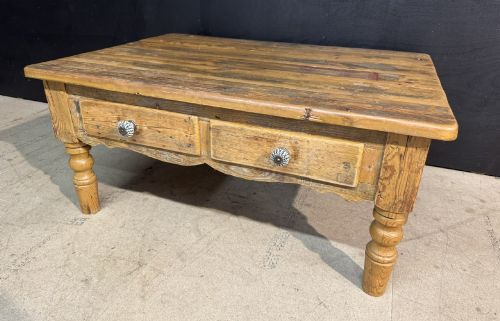
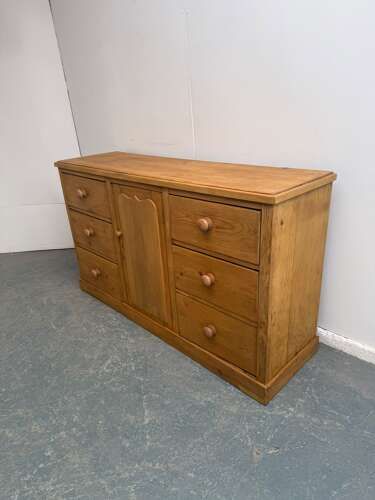
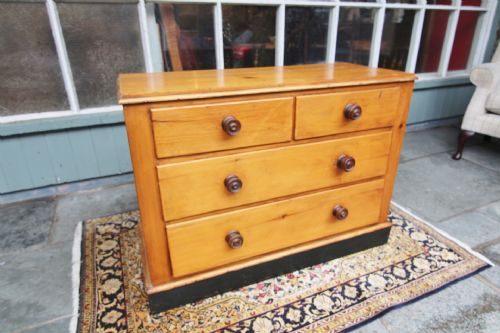
Farmhouse pine storage brings honest utility and warmth to a room, offering practical chests, benches, and dressers built for daily use.
Farmhouse Pine Storage
When you search for farmhouse pine storage, you encounter functional timber furniture designed to hold household goods, linens, and provisions. These pieces originate from domestic contexts where durability mattered above ornamental flourish.
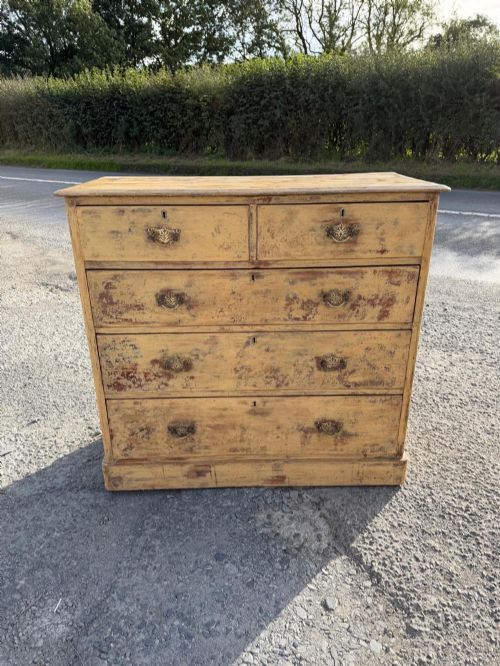
The selection centres heavily on nineteenth-century forms, including Victorian chests of drawers, kitchen dresser bases, and storage benches. Austrian and Scottish vernacular traditions also appear alongside English examples, showing distinct regional carpentry.
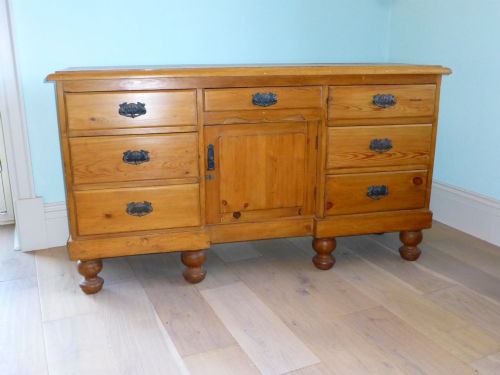
Storage items range from blanket boxes and tool chests to long sideboards and log box consoles. Buyers seek these objects to introduce practical storage solutions that carry genuine domestic history.
Materials and construction
Makers built these pieces primarily from solid pine and painted timber, utilising durable local woods suited to robust construction. Iron, brass, and ceramic fittings provided functional hardware for drawers, lids, and doors.
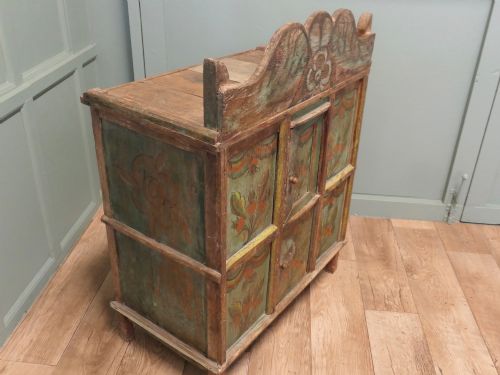
Surfaces received either a wax finish to highlight the grain or coats of paint, including scumbled finishes that added texture and colour. Joinery was straightforward and sturdy, designed to withstand generations of heavy household use.
Farmhouse Pine Storage Retail Price Guide 2026
Typical asking prices for farmhouse pine storage among the pieces listed under this phrase on Sellingantiques today, from the lower quarter to the upper quarter. They describe what is for sale here now, not the wider market.
Several trunks double as seats, proving that nineteenth-century carpenters knew the value of furniture that could hold your blankets and rest your weary feet.
Assessing quality and proportion
Quality in these pieces rests upon proportion, original surface treatment, and structural integrity. Better examples retain their original paint or rich waxed patination rather than later sanding and modern varnishes.
The presence of gallery backs on chests or original iron and brass furniture indicates higher care in the original commission. Substantial timber thickness and intact internal partitions separate standard utility items from finer vernacular survivals.
The Farmhouse Pine Storage Glossary
- Scumbled paint
- A decorative surface technique involving semi-opaque paint dragged over a base coat to simulate graining or texture. This finish appears on several nineteenth-century chests.
- Dresser base
- The lower portion of a kitchen dresser, usually featuring drawers and cupboards beneath a flat top. These served as primary work surfaces and storage units in farmhouse kitchens.
- Settle
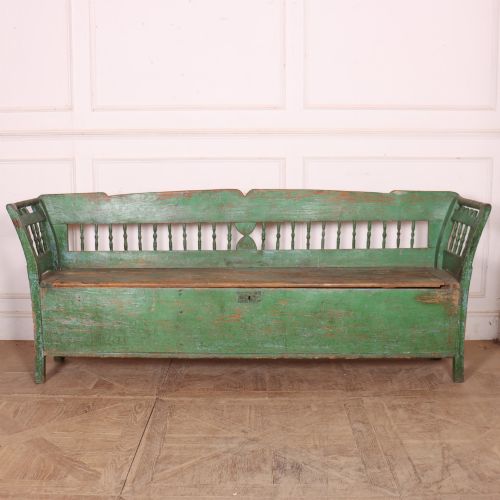
- A wooden bench with high back and solid arms, often featuring a hinged seat lifting to reveal a storage box underneath. They kept draughts away from the hearth while hiding blankets.
- Vernacular
- Architecture and furniture built by local craftsmen using regional traditions and readily available materials rather than grand academic styles. Scottish and Austrian pieces reflect these localized methods.
- Gallery back
- A low wooden upstand attached to the rear edge of a chest top or sideboard to prevent items from sliding off. It adds both a decorative silhouette and practical containment.
Farmhouse Pine Storage: Frequently Asked Questions
How were these pine pieces used?
Original owners utilised these items for everyday domestic organisation, storing textiles, tools, logs, and tableware. Dresser bases held kitchen crockery while drawers contained linens and personal belongings.
Benches and settles offered seating by the hearth alongside concealed compartments for blankets. Their robust nature meant they moved between kitchens, utility rooms, and hallways as household needs shifted.
How do I live with antique pine?
Living with antique pine involves placing pieces where their warm wood tones and painted finishes can anchor a room's decor. They suit modern and traditional interiors alike, providing functional storage in hallways, bedrooms, and kitchens.
Maintenance requires simple dusting and occasional waxing to nourish the timber. Avoid placing solid pine directly against heat sources to prevent timber movement.
How do I tell different periods apart?
Distinguishing periods relies on observing construction methods, hardware, and surface treatments. Pieces from the mid nineteenth century often display simpler lines and original scumbled paint, while later Victorian examples may incorporate gallery backs or brass fittings.
Regional characteristics also guide dating, as Austrian and Scottish vernacular items use local carpentry habits distinct from English workshop practices.