



Farmhouse Pine Furniture
Farmhouse pine furniture delivers robust utility and enduring rustic character to domestic spaces through time-tested utilitarian forms.
Farmhouse Pine Furniture
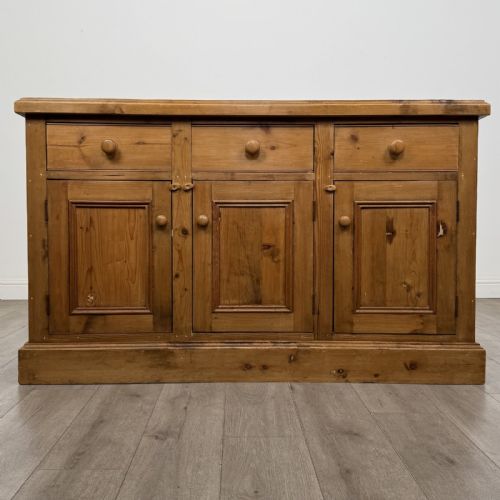
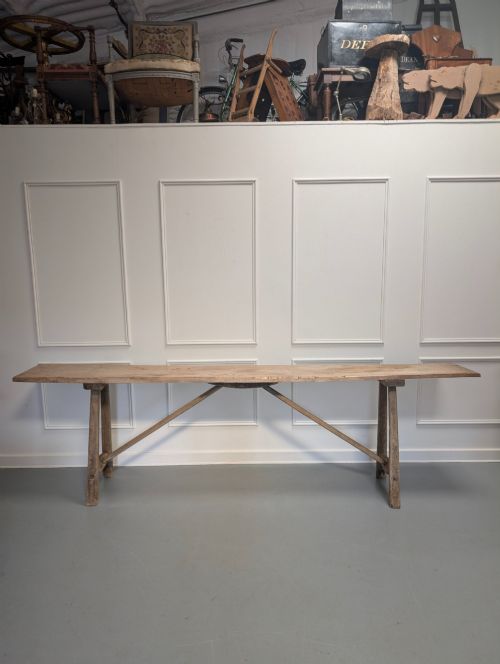
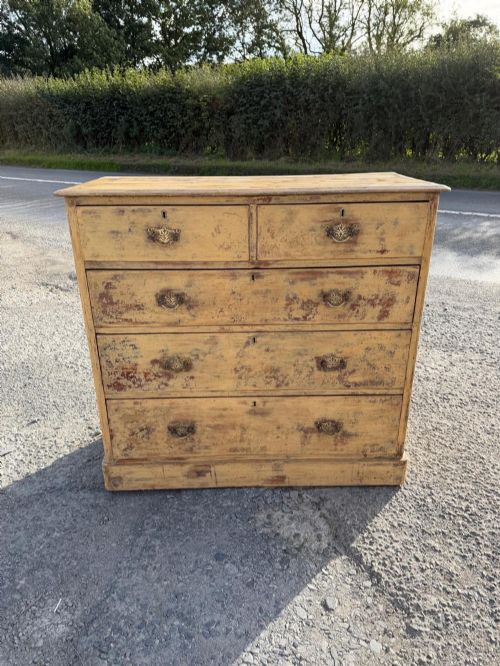
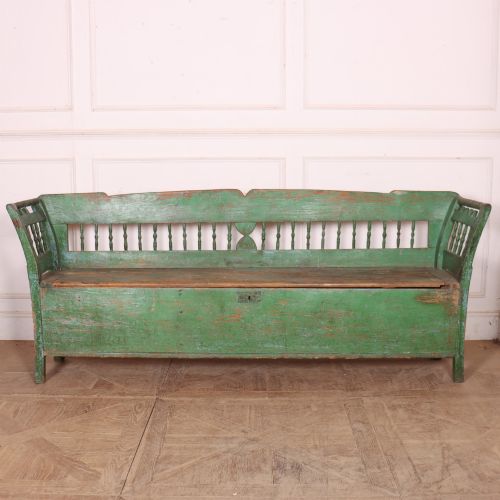
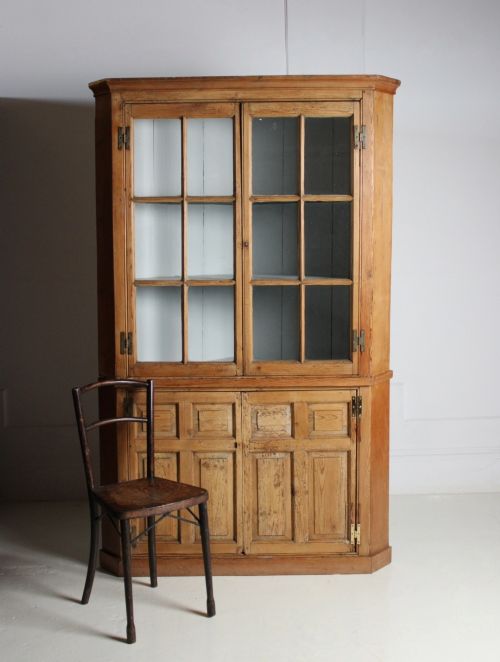
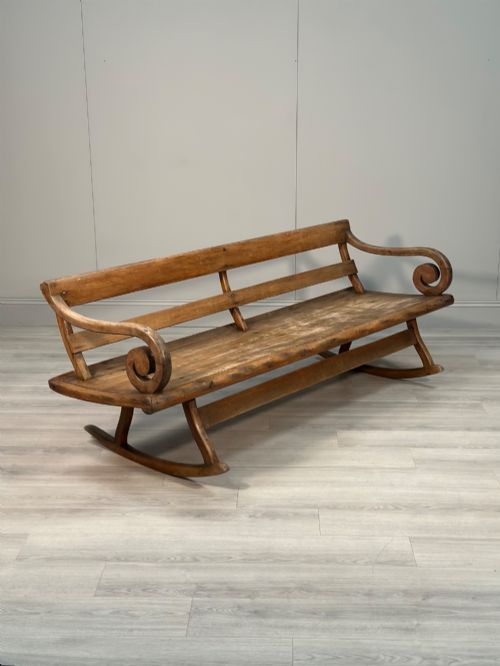
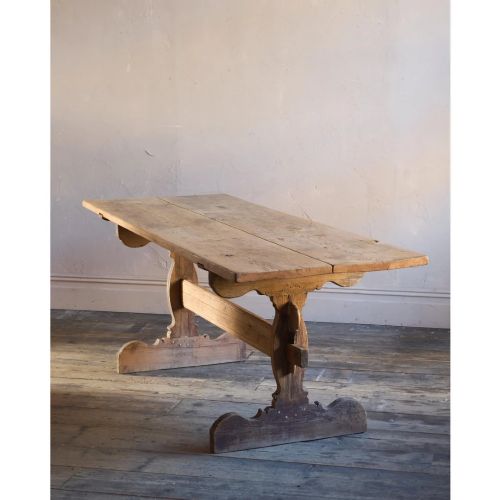
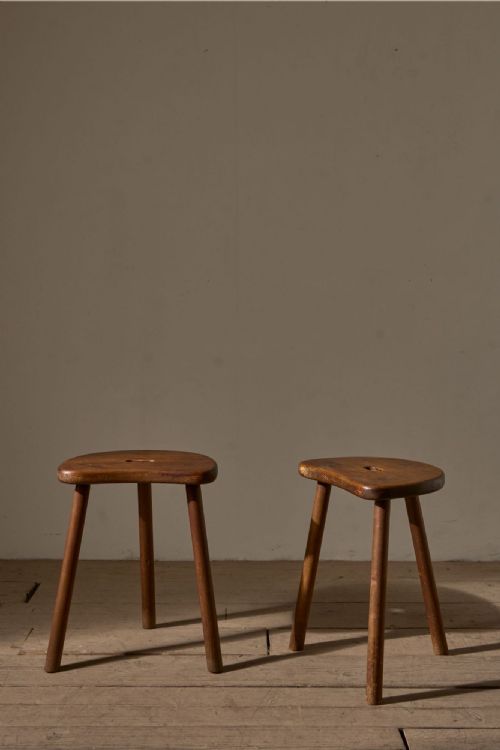
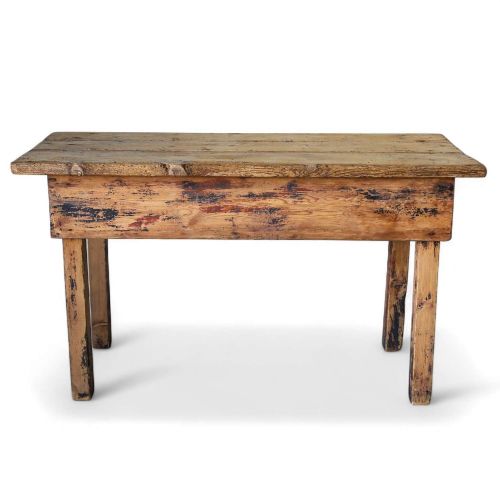
Farmhouse pine furniture encompasses practical domestic timber pieces created for everyday rural use across various European and British regions. Buyers searching for farmhouse pine furniture encounter substantial dining tables, storage chests, benches, and dressers originating predominantly from the nineteenth century. These utilitarian items served kitchens, dairies, and farmhouses, prioritising function and durability over ornamental refinement.
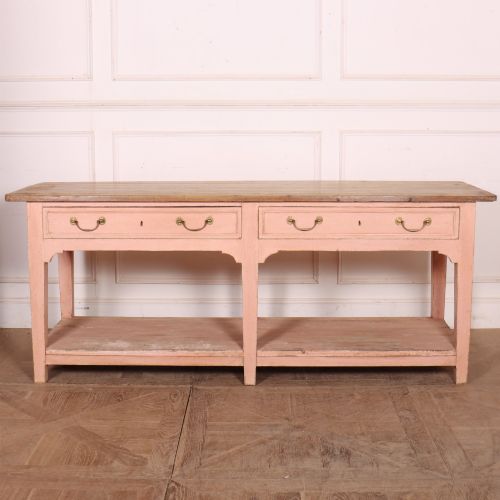
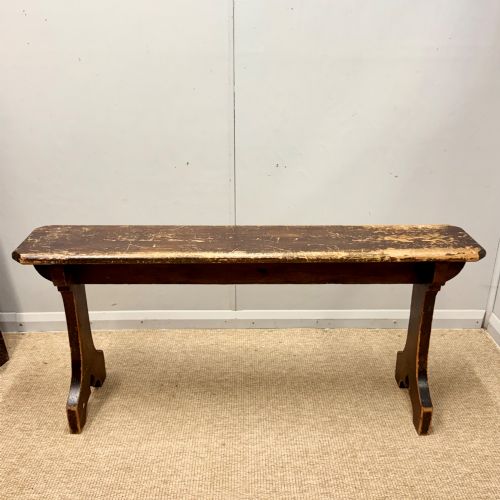
The most common examples on this page are nineteenth-century dining tables, work tables, and storage chests built from solid pine. Pieces frequently arrive from distinct regional traditions, including English, Welsh, Scottish, French, and Swedish workshops. Each regional variant brings specific structural traits, such as trestle bases, potboards, or extended lengths designed for communal dining and food preparation.
Markers of Quality and Authenticity
Quality in these pieces rests upon the integrity of the original construction and the survival of untouched surfaces. Superior examples retain their initial painted finishes, original hardware, and uncompromised timber thicknesses on heavily scrubbed table tops. Pieces displaying regional vernacular characteristics executed by skilled local carpenters demonstrate higher craftsmanship than standard factory-produced alternatives.
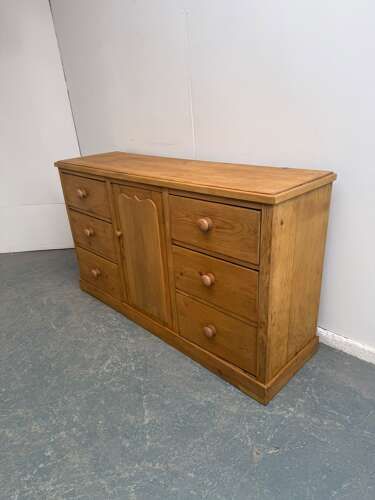
Proportion and structural balance also distinguish finer items from simpler utility grade equivalents. Well-proportioned drawer chests with intact internal linings and smooth-running timber runners represent superior utility standards. The presence of historic wear patterns, patination, and original structural timbers elevates the standing of individual tables, dressers, and settles.
Farmhouse Pine Furniture Retail Price Guide 2026
Typical asking prices for farmhouse pine furniture among the pieces listed under this phrase on Sellingantiques today, from the lower quarter to the upper quarter. They describe what is for sale here now, not the wider market.
The inventory spans diverse regional styles from British vernacular to Austrian country, utilising iron and brass hardware alongside original painted surfaces.
The Farmhouse Pine Furniture Glossary
- Dresser base
- The lower section of a kitchen storage unit featuring cupboards and drawers without the upper plate rack. These surfaces provided ample room for food preparation and heavy pottery storage.
- Settle
- A high-backed wooden bench with solid arms and a storage box beneath the seat. This seating form sheltered occupants from draughts in farmhouse kitchens.
- Potboard
- An open slatted lower shelf incorporated into the base of a dresser or sideboard. It held pots, pans, and heavy kitchen utensils off damp stone floors.
- Falu paint
- A traditional deep red Scandinavian paint derived from copper mine waste pigments. It protected exterior and interior pine timber surfaces from harsh weathering.
- Vernacular
- Architecture and furniture design created by local artisans using regional materials and traditional methods. These pieces reflect specific geographic traditions rather than high-style academic design.
Farmhouse Pine Furniture: Frequently Asked Questions
How do I care for antique pine?
Maintain antique pine surfaces by dusting with a dry cloth and avoiding excessive moisture on scrubbed timber. Regular application of traditional beeswax preserves waxed finishes.
Protect painted pieces from direct sunlight and sharp temperature shifts to prevent timber movement and paint flaking. Gentle handling safeguards historic patination.
Where were these pieces made?
These domestic items originated across various rural regions in Britain, France, Sweden, Austria, and Wales. Local carpenters built them using locally accessible softwood.
Regional differences appear in construction styles, such as Swedish trestle tables or Welsh kitchen dressers. Each area adapted standard utility forms to local domestic needs.
How can I date pine furniture?
Dating relies on examining construction methods, tool marks, hardware types, and timber ageing characteristics. Hand-cut dovetails and pegged joints indicate older periods.
Paint layers and historical wear patterns also provide clues to a piece's age and origin. Comparing structural traits with documented regional examples confirms approximate decades.