

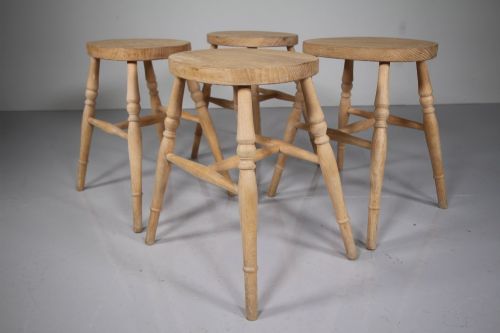
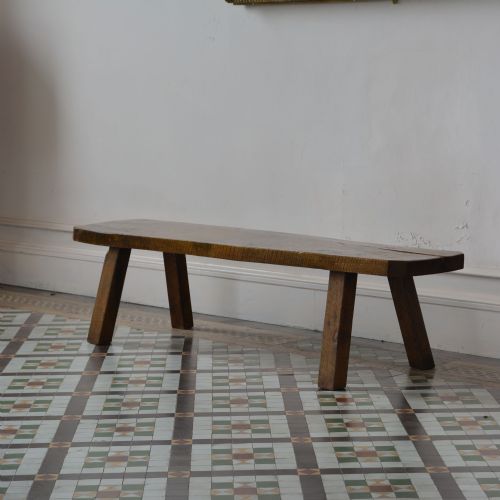
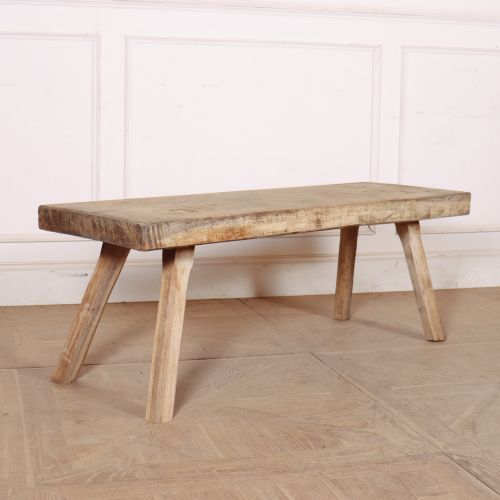
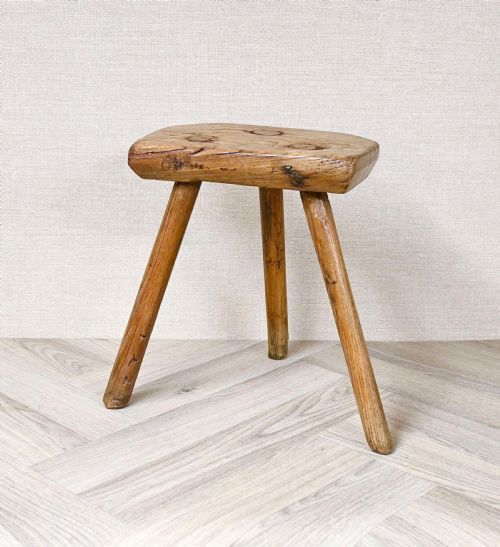




Farmhouse Oak Bench
A farmhouse oak bench brings honest utility and enduring grain to an interior, shaped by generations of practical use.
Farmhouse Oak Bench
When you search for a farmhouse oak bench, you encounter sturdy seating rooted in domestic, agricultural, and tavern traditions. These pieces originate from English, French, and Hungarian workshops, spanning the eighteenth, nineteenth, and early twentieth centuries.
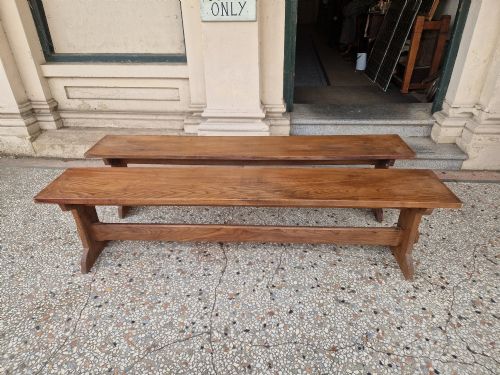
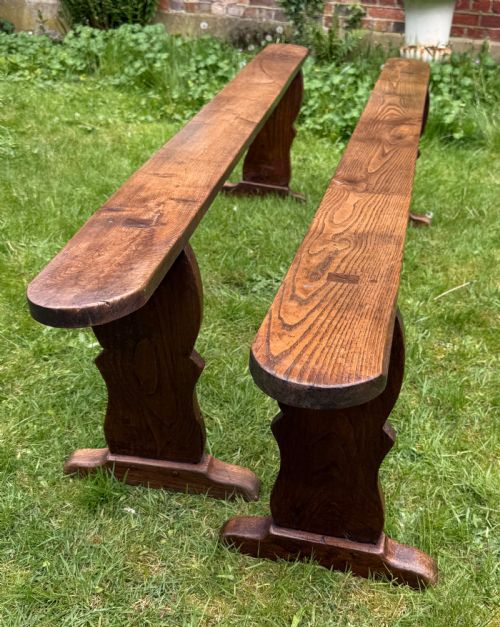
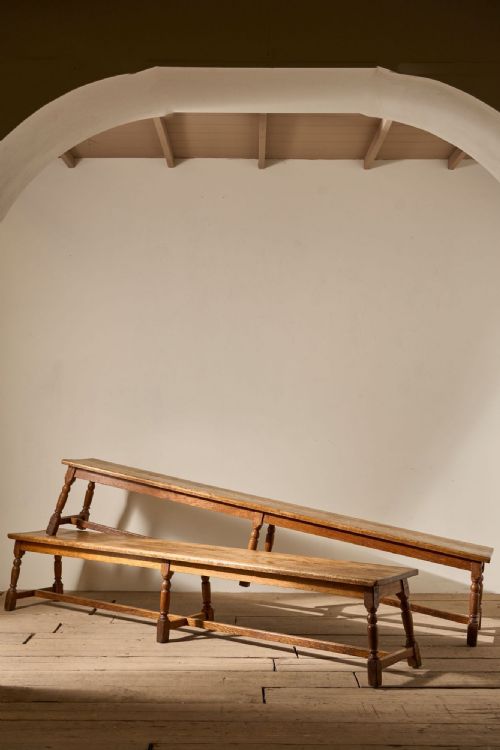
The selections here range from long dining benches and narrow pig benches to hall seats and trestle variations. Oak dominates, often accompanied by pine, elm, sycamore, and hardwood, reflecting the utilitarian needs of rural households.
Styles lean toward rustic country, Georgian and Edwardian country, and French primitive designs. You will regularly find substantial proportions, clean lines, and visible signs of past daily work.
Assessing quality and integrity
Quality rests in the integrity of the timber and the honesty of the construction. Superior examples display thick, stable oak boards with minimal intervention, retaining their original structural framing and authentic surface texture.
Proportion and scale distinguish exceptional pieces from standard utility items. Lengths vary greatly, from compact hallway seats to massive tavern benches, and the best examples balance heavy timber weights with pleasing visual lines.
Farmhouse Oak Bench Retail Price Guide 2026
Typical asking prices for farmhouse oak bench among the pieces listed under this phrase on Sellingantiques today, from the lower quarter to the upper quarter. They describe what is for sale here now, not the wider market.
Styles span rustic farmhouse, French primitive, English country, and Edwardian country forms.
The Farmhouse Oak Bench Glossary
- Pig bench
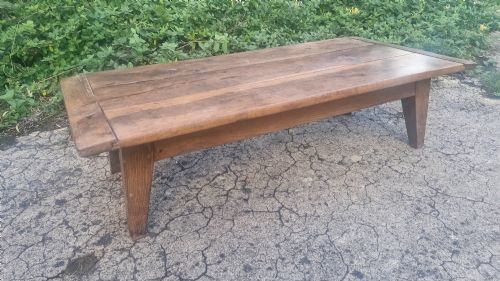
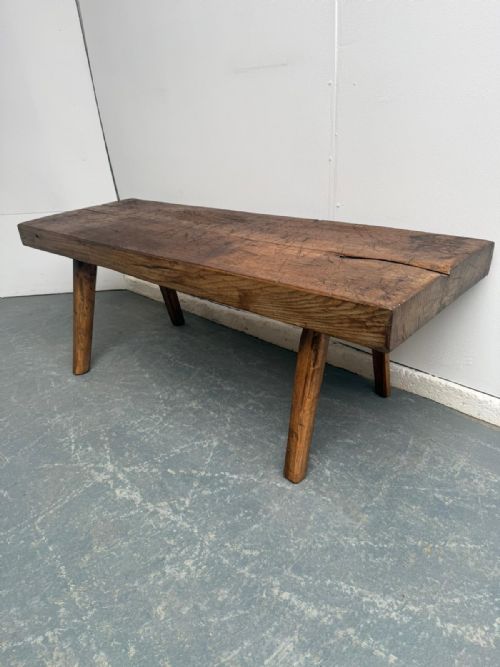
- A narrow, low wooden bench historically used in agricultural work or butchery, now prized as a coffee table or hallway seat.
- Trestle
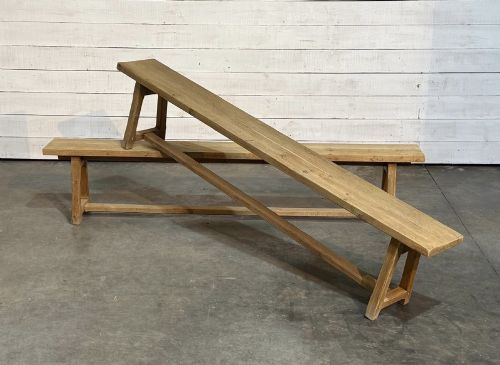
- A structural support consisting of a horizontal beam fixed to two splayed legs, commonly found beneath long dining benches and refectory tables.
- Settle
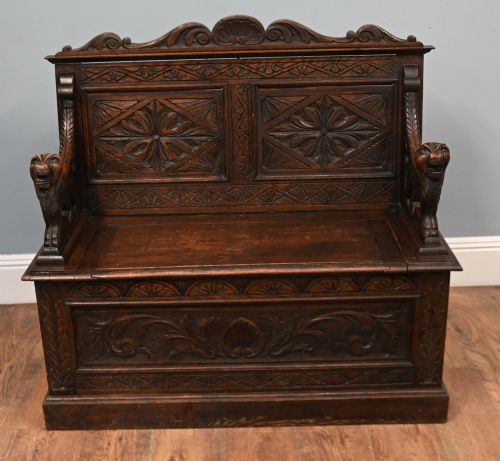
- A wooden bench with a high back, solid arms, and often a storage box beneath the seat, designed to block draughts in older rooms.
- Bleached oak
- Timber that has been treated or naturally weathered to lighten the tone of the grain while preserving the historic surface.
- Primitive
- A descriptive term for furniture made locally by unpretentious makers using straightforward techniques and readily available materials.
Farmhouse Oak Bench: Frequently Asked Questions
How were farmhouse oak benches originally used?
These benches served daily domestic and agricultural purposes, providing communal seating around farmhouse tables and enduring heavy use in kitchens, dairies, and halls.
Many specific variants, such as narrow pig benches and long tavern seating, were built for practical tasks before transitioning into living spaces as decorative and functional furniture.
How do I style a long oak bench at home?
A long oak bench works effectively placed alongside a dining table, positioned in a hallway as a seat, or utilised as a low coffee table in a living room.
The natural grain and scrubbed wooden textures complement rustic, traditional, and contemporary interiors alike, providing a grounded focal point.
How do I distinguish nineteenth-century oak from later pieces?
Nineteenth-century oak displays deeper patination, hand-planed surfaces, and construction details that reflect period tool use. Iron or wooden pegged joints often indicate older craftsmanship.
Examining the underside and edges reveals the natural wear and tool marks accumulated over decades of practical service.
What is the difference between a pig bench and a standard bench?
A pig bench is typically narrower and lower than a standard dining bench, reflecting its original agricultural function in rural farm buildings.
Today, these narrow proportions make them particularly popular as coffee tables or slim display surfaces in narrow hallways.