



Faceted Wine Glass
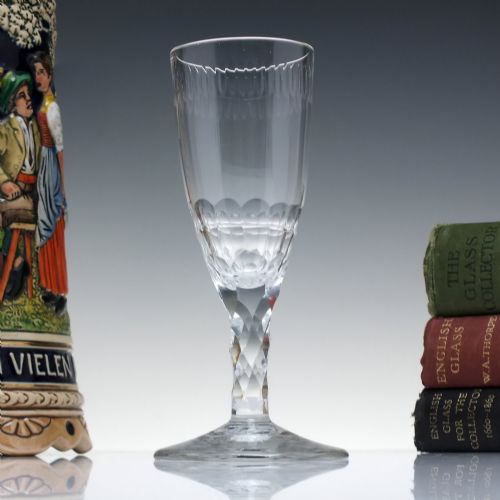
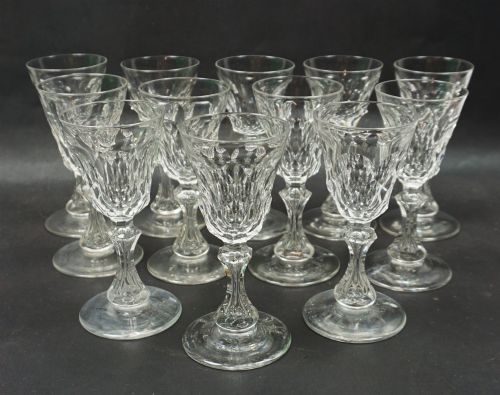
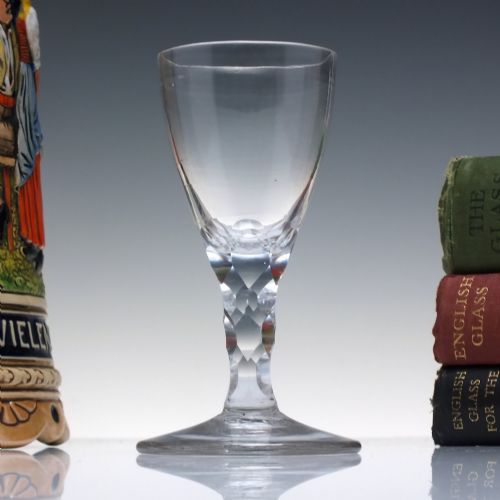
A faceted wine glass brings weight and brilliance to the table, catching the candle-light on every sharp edge.
Faceted Wine Glass
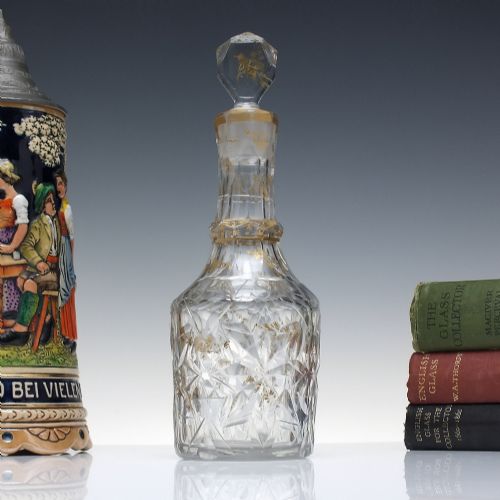
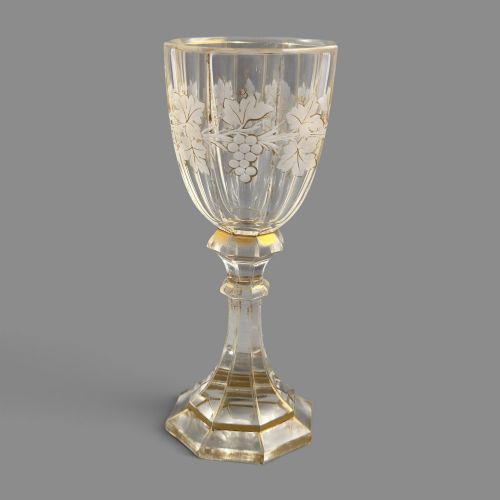
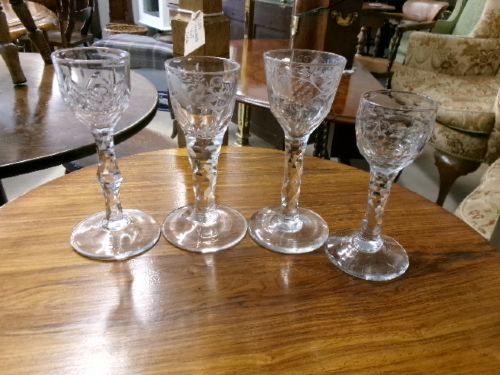
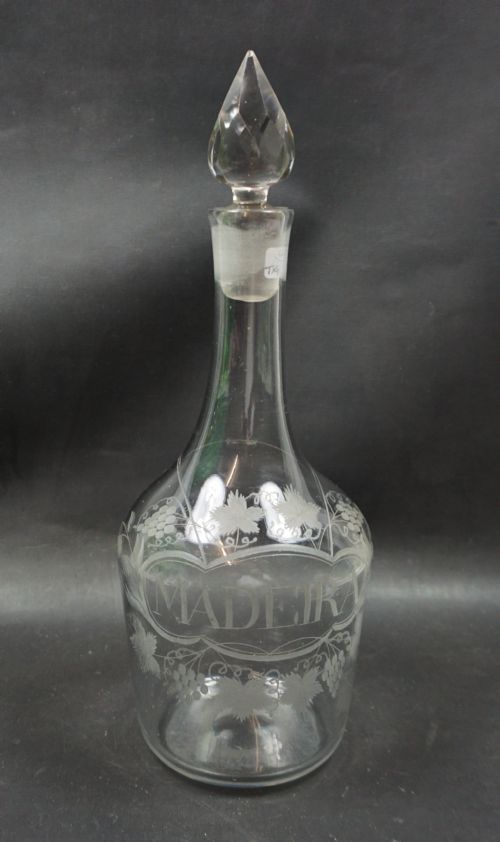
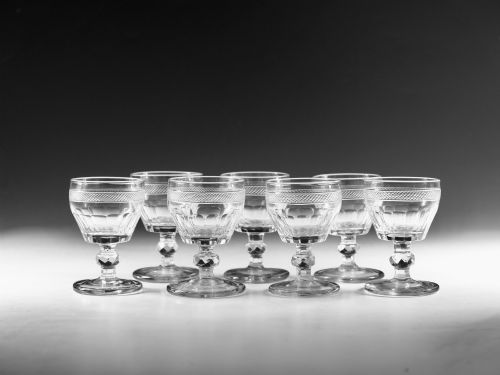
The most typical forms on this page include Georgian facet stem wine glasses, cordial glasses, and robust rummers. Makers often paired these geometric stems with wide foot bases and engraved bowls, creating a balanced silhouette that feels substantial in the hand.
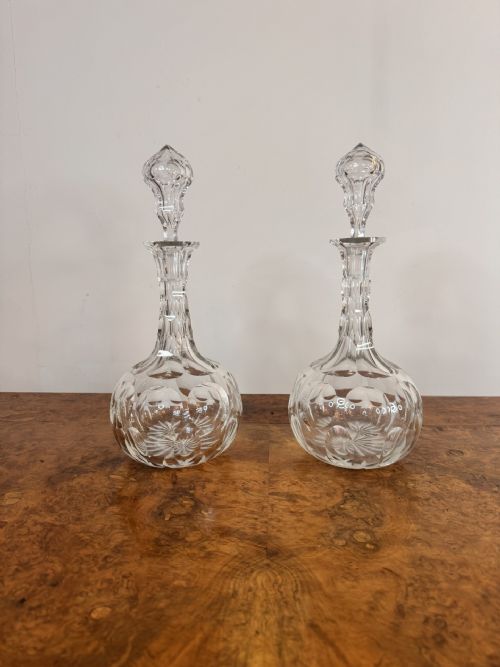
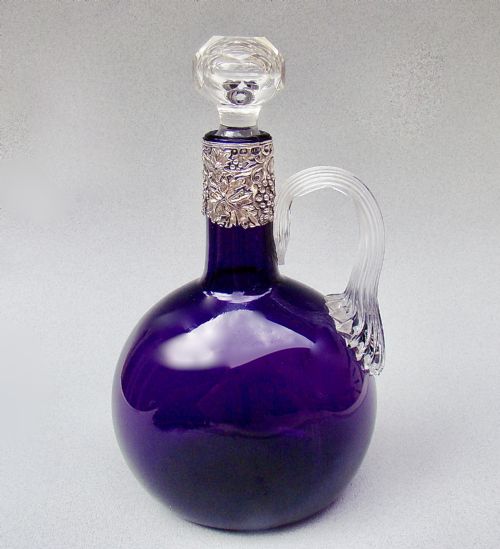
Beyond standard wine glasses, the wider category encompasses heavy decanters, port glasses, and goblets that share the same sharp-cut surface vocabulary. Each version displays how glasshouses manipulated light through flat polishing before the advent of machine pressing.
Distinctions in Quality and Execution
The caliber of a cut glass vessel rests upon the crispness of its geometric lines and the clarity of the metal itself. Superior examples display perfectly flat, uniform facets that meet at sharp, clean ridges without rounding or softening at the edges.
Weight and balance further separate standard domestic wares from exceptional pieces. A high quality glass possesses a resonant ring when struck gently and distributes its mass evenly from the wide foot base to the rim.
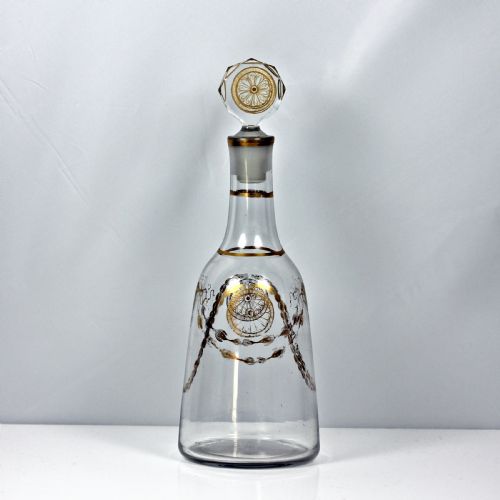
The refinement of secondary decoration dictates overall excellence, distinguishing simple utilitarian vessels from finely engraved or gilded specimens. Engravings with distinct depth and well-preserved gold leaf indicate superior craftsmanship during production.
Faceted Wine Glass Retail Price Guide 2026
Typical asking prices for faceted wine glass among the pieces listed under this phrase on Sellingantiques today, from the lower quarter to the upper quarter. They describe what is for sale here now, not the wider market.
Some eighteenth-century drinkers hid secret political loyalties inside tiny engraved rosebuds on their wine glasses.
Atelier of James Giles·Moser Bohemian·Henry Matthews
The Faceted Wine Glass Glossary
- Facet cut
- A decorative technique involving the grinding of flat geometric planes into the surface of glass to catch and reflect light. This method creates distinctive optical patterns along stems and bowls.
- Lead crystal
- A high quality glass containing lead oxide, which increases density, weight, and refractive brilliance. It serves as the primary material for heavy drinking vessels and decanters.
- Rummer
- A large, wide-bowled drinking glass designed for heavier wines, punch, or ale. These vessels typically feature sturdy stems and substantial capacities.
- Pontil mark
- A rough scar left on the base of blown glass where the pontil rod was snapped off after shaping. Its presence indicates traditional hand-blown manufacturing methods.
- Jacobite engraving
- Secret political iconography etched onto glassware, often featuring roses and buds to express loyalty to the exiled Stuart cause. Such decoration frequently appears on mid-to-late Georgian drinking glasses.
Faceted Wine Glass: Frequently Asked Questions
How do I clean antique glass safely?
Wash your glassware by hand in warm water using a mild, non-abrasive detergent. Avoid sudden temperature changes to prevent thermal shock.
Dry each piece immediately with a lint-free cloth to maintain the clarity of the cut facets and prevent water spots.
Can I use these glasses for daily dining?
These drinking vessels were originally made for regular use, but their age and material fragility require careful handling today. Reserve them for special occasions to protect the delicate rims and historical surfaces.
Hand washing is essential, as modern dishwashers can etch the soft lead crystal and ruin any gilding.
How do I distinguish Georgian from Victorian cut glass?
Georgian glass typically exhibits a softer grey tone in the metal and lighter, more restrained facet cutting on the stems. The forms lean toward balanced proportions with hand-polished surfaces that show slight irregularities.
Victorian pieces often display heavier lead crystal, deeper and more aggressive cutting, and a brighter refractive sparkle due to changes in industrial manufacturing.
What is the purpose of a facet stem?
Facet stems were designed to improve grip while adding visual brilliance to the lower portion of the drinking glass. The cut planes catch candlelight and table illumination from multiple angles.
This stylistic choice defined English and Irish glass design during the late eighteenth century.