
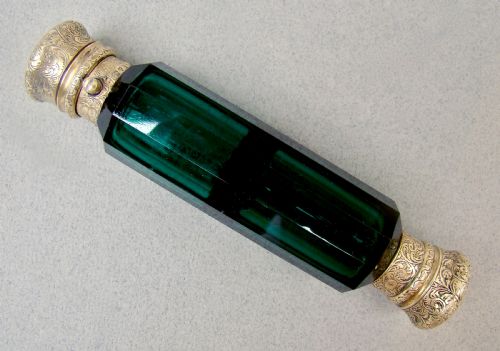
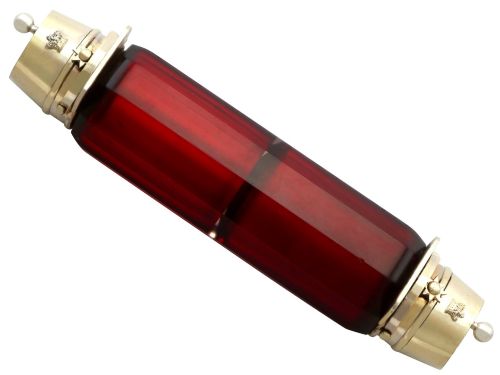
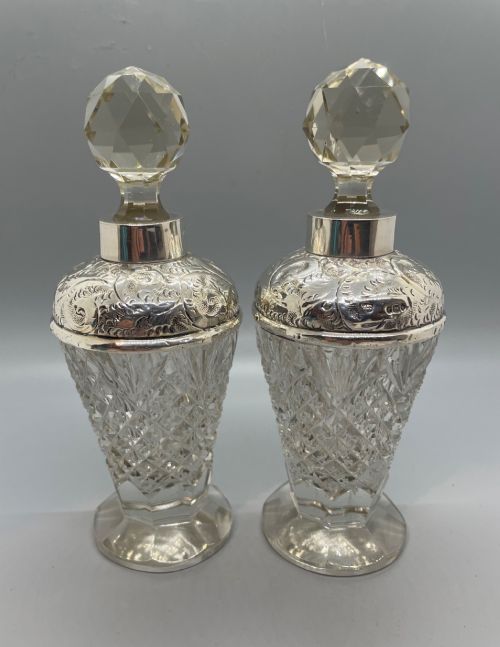
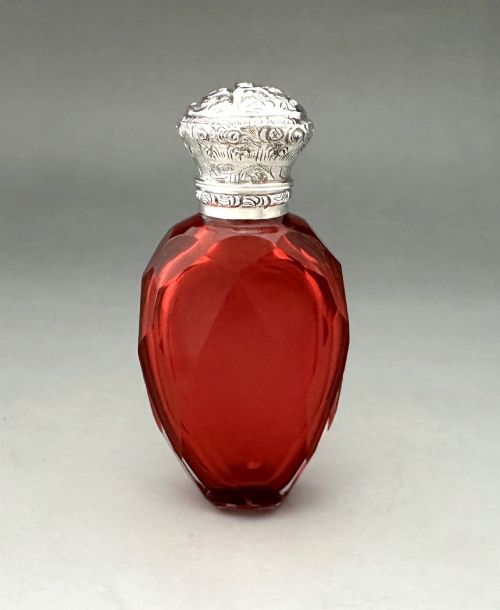


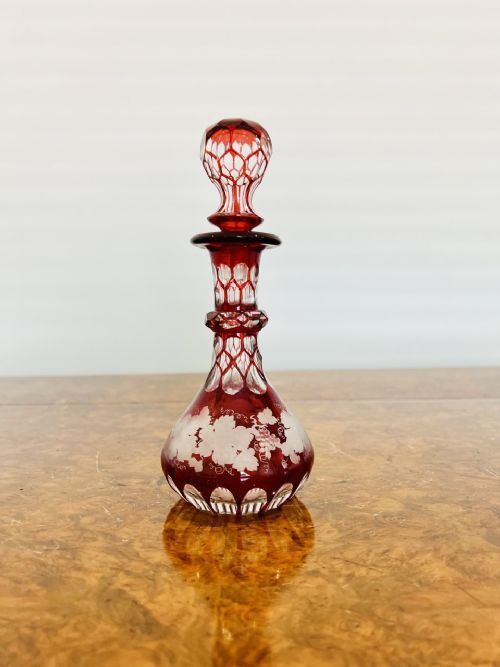


Faceted Glass Vanity Bottle
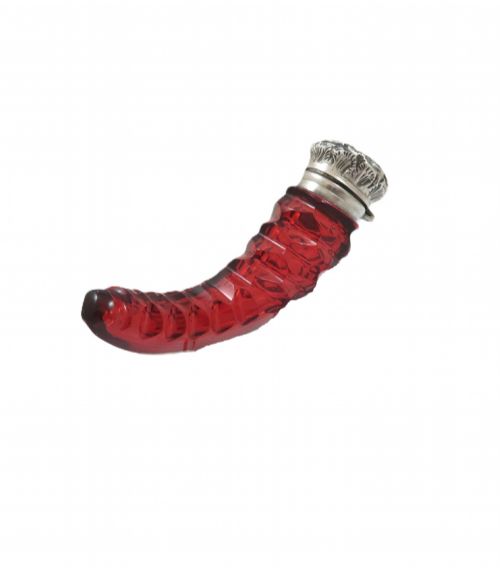
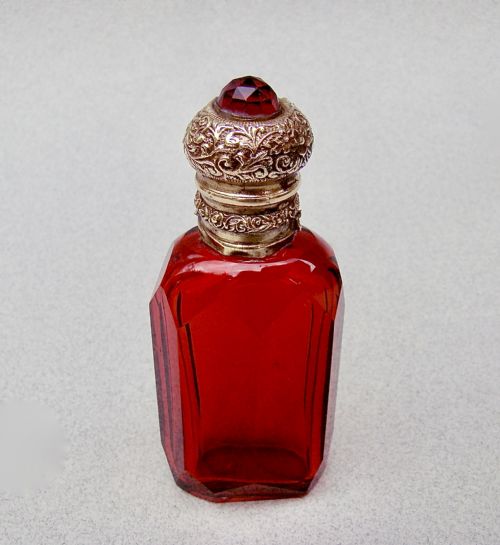
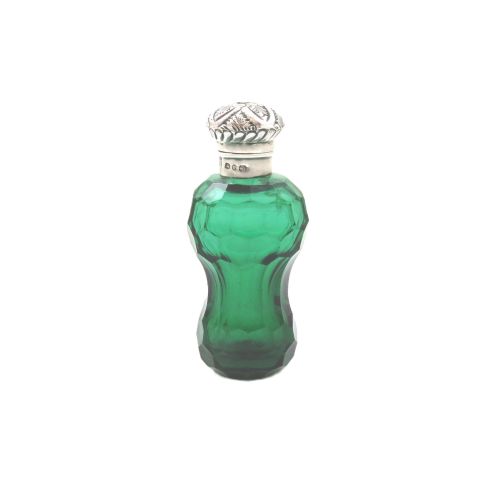
A faceted glass vanity bottle holds scent or spirit on the dressing table, combining cut optics with metal mount or collar.
Faceted Glass Vanity Bottle
A faceted glass vanity bottle is a dressing table accessory designed for perfume, scent, or spirit, combining utility with decorative display. When you search for a faceted glass vanity bottle, you encounter vessels shaped by geometric cutting or moulding, often fitted with metal work.
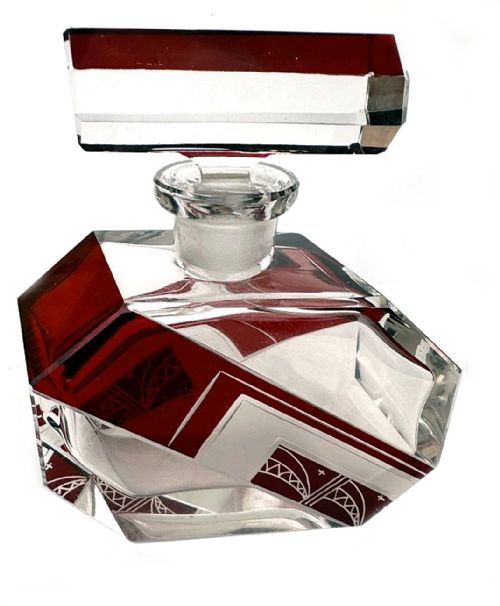
The versions most commonly met on this page span the Victorian, Edwardian, and Art Deco eras, originating from English, French, and Bohemian workshops. These pieces range from simple clear cut crystal to coloured overlay glass and enamelled designs.
Makers and makers' regions such as Karl Palda, Rudolf Hlousek, and Sabino appear alongside unmarked English silver-mounted pieces. Their forms serve dressing table sets, travelling vanity cases, and boudoir displays.
How they were made
Makers produced these bottles using lead crystal, cut glass, and coloured glass such as ruby, cranberry, green, amethyst, blue, and opaline. Artisans shaped the body through glassblowing or pressing, then applied wheel-cutting to create sharp facets that catch the light.
Metalwork played an integral role, with sterling silver, ormolu, and silver plate formed into screw caps, hinged lids, collars, and decorative mounts. Enamel work and glass overlay techniques further enriched the surface texture and colour contrast of the finished piece.
Listings span from the 1860s through to the 1930s, featuring both English sterling silver mounts and continental glasswork.
What varies in quality
Quality rests in the crispness of the glass cutting and the weight of the metal mount. Sharp, deep facets and heavy lead crystal distinguish finer examples from lighter, moulded glass alternatives.
The integration between the glass body and the silver or ormolu mount dictates the overall standard. Well-fitted collars, secure hinges, and clear hallmarks on sterling silver elevate the piece beyond standard dressing table wares.
Karl Palda·Rudolf Hlousek·Sabino
The Faceted Glass Vanity Bottle Glossary
- Faceting
- The cutting of flat surfaces into glass to create geometric patterns that reflect light. This technique defines the visual character of the bottle.
- Overlay glass
- A method where a layer of coloured glass is fused over a clear or contrasting base layer, then cut through to reveal the underlayer. It creates striking contrast and depth.
- Sterling silver mount
- A collar, cap, or hinge made from silver of standard fineness fitted to the neck or top of the bottle. Hallmarks often provide date and maker details.
- Ormolu
- Gilt bronze mounted onto decorative objects, common in French pieces from the nineteenth century. It adds a warm metallic tone to the coloured glass.
- Double ended
- A bottle featuring compartments at both ends with separate stoppers or caps, often used for two different scents or salts.
Faceted Glass Vanity Bottle: Frequently Asked Questions
How were these bottles used?
These bottles held liquid perfumes, scented waters, or spirits on dressing tables and inside travelling vanity cases. Ladies utilised them for daily toilette and freshening during the Victorian and Edwardian eras.
Many featured tight stoppers or secure silver screw caps to prevent evaporation of precious scents. Some double ended versions accommodated two distinct fragrances in a single compact object.
Are the stoppers original?
Assessing originality involves checking the fit, glass type, and ground finish of the stopper inside the neck. Original glass stoppers often share the same cut pattern and slight wear marks as the interior neck.
Replacement stoppers may sit too high or lack matching facet alignment. Examining the glass under magnification helps determine whether stopper and bottle grew together in the workshop.
How do I clean them safely?
Cleaning requires warm water and mild soap, avoiding harsh chemicals that might damage antique glass or enamel work. Silver mounts need careful polishing away from the glass surface to prevent staining.
Submerging bottles with fragile metal collars or glued components is generally discouraged. Cotton buds help reach internal residue without putting stress on historic materials.