





Expressionist Sketch
An expressionist sketch captures raw emotion through swift marks on paper, offering an intimate glimpse into the mind of the artist.
Expressionist Sketch
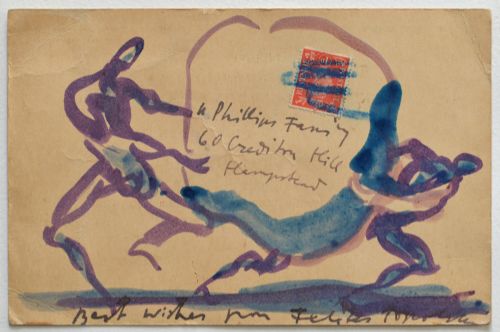
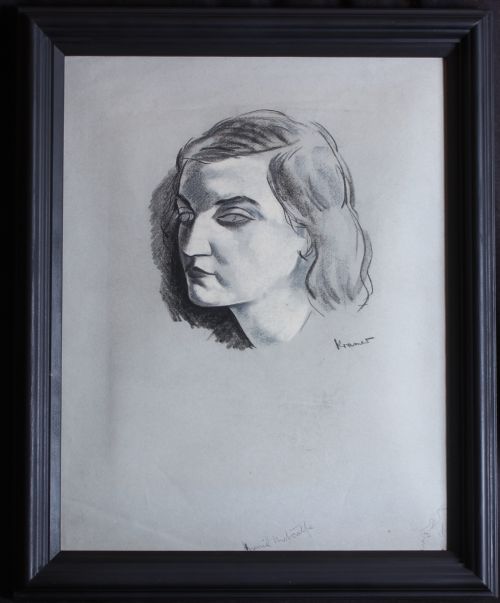
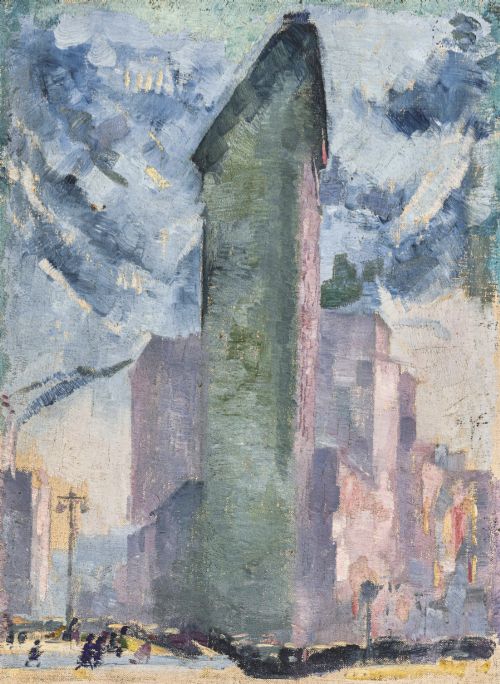
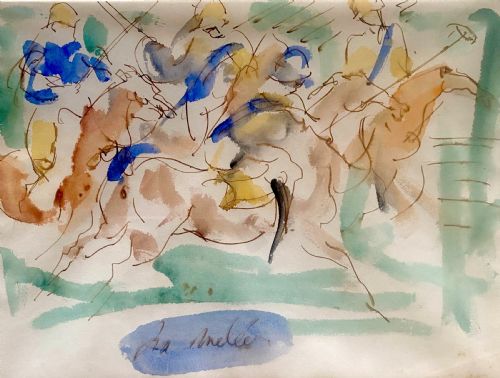
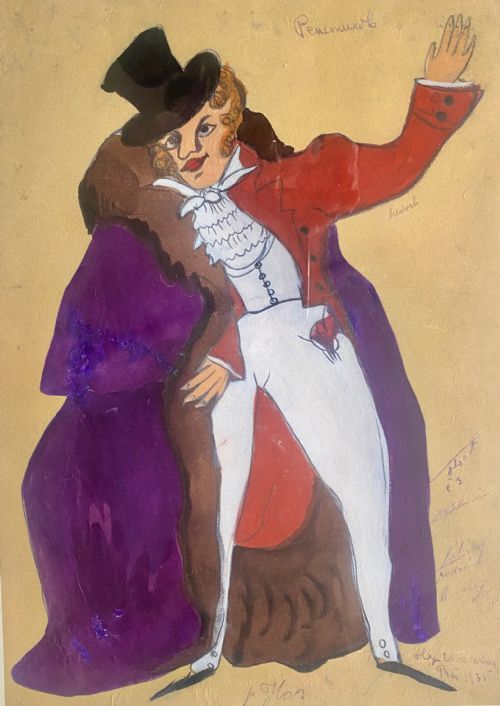
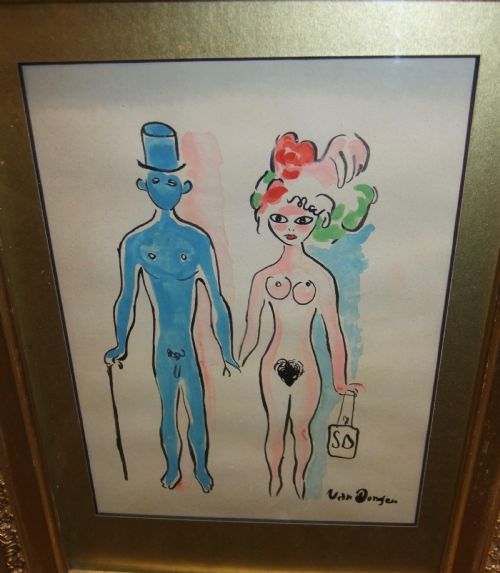
An expressionist sketch brings together dynamic works on paper and canvas from the early to mid-twentieth century. Buyers exploring this category encounter original drawings, watercolours, and gouaches that reflect modernist sensibilities.
The selections span diverse subjects, including portraits, equestrian scenes, coastal views, and figurative studies. Many date from the 1910s through the 1960s, capturing the shifting aesthetic movements of that century.
Originating from various European and British traditions, these works showcase the restless experimentation typical of the period. They range from rapid ink notations to finished watercolours designed to evoke immediate psychological depth.
How they were made
Artists relied primarily on paper as a swift medium, applying ink, charcoal, watercolour, and gouache to record rapid observations. These water-based and dry mediums allowed for immediate marks that preserved the spontaneity of the creative act.
Some works extend into oil on canvas or incorporate mixed media, framed behind glass with wooden supports. The physical construction emphasises directness, often leaving visible brushstrokes and unblended pigments to heighten emotional resonance.
Expressionist Sketch Retail Price Guide 2026
Typical asking prices for expressionist sketch among the pieces listed under this phrase on Sellingantiques today, from the lower quarter to the upper quarter. They describe what is for sale here now, not the wider market.
Some sketches retain the hurried pencil underdrawings where the artist changed their mind halfway through a stroke.
What varies in quality
The distinction between ordinary and exceptional works lies in the surety of the line and the economy of the composition. A superior sketch conveys volume and character with minimal strokes, whereas lesser examples can feel hesitant or overcrowded.
Preservation of the paper and the vibrancy of fugitive pigments also determine the standing of a piece. Works that retain their original ink saturation and paper integrity command greater appreciation from collectors of twentieth-century art.
Jacob Kramer·Alfred Wolmark·Olga Choumansky·Kees van Dongen·Markey Robinson
The Expressionist Sketch Glossary
- Gouache
- An opaque water-based paint that dries to a matte finish, frequently employed by artists to build solid areas of vibrant colour on paper.
- Modernist
- A philosophical and stylistic movement spanning the early to mid-twentieth century, characterised by a deliberate departure from traditional academic representation.
- Post-Impressionism
- An art movement following impressionism that focuses on symbolic content and expressive use of form and colour rather than optical realism.
- Avant-Garde
- Works produced by artists who were ahead of their time, breaking established aesthetic conventions and exploring radical new visual territories.
Expressionist Sketch: Frequently Asked Questions
What is an expressionist sketch?
An expressionist sketch is a rapid work on paper or canvas that prioritises emotional intensity and subjective feeling over strict physical accuracy. Artists use dynamic lines and bold pigments to convey immediate psychological impact.
These pieces often emerge from the early decades of the twentieth century, reflecting the turbulent artistic shifts of the era through simplified forms and unblended colours.
How do I frame works on paper?
Works on paper require careful framing behind glass to protect them from airborne pollutants and physical damage. Acid-free mounts should be used to prevent the paper from yellowing or degrading over time.
Keep these framed artworks away from direct sunlight to preserve the fugitive watercolours, inks, and gouaches often found in twentieth-century sketches.
How are these sketches dated?
Dating relies on stylistic evidence, signatures, inscriptions, and documented periods of an artist's working life. Many pieces carry dates or stylistic markers aligning with the 1910s through the 1960s.
Comparative analysis with known works from the same modernist movements helps confirm the approximate decade of creation when explicit dates are absent.
Where should I hang these artworks?
These sketches suit spaces with stable temperature and humidity, away from direct heat sources and strong sunlight that can fade watercolours and inks. Their intimate scale makes them ideal for studies, hallways, or living rooms.
Pairing them with simple wooden frames allows the expressive brushwork and raw paper texture to remain the primary focus of the room.