





Expressionist Figurative Painting
Expressionist figurative painting captures human subjects through bold strokes and intense emotion, offering a direct encounter with mid-century intensity.
Expressionist Figurative Painting
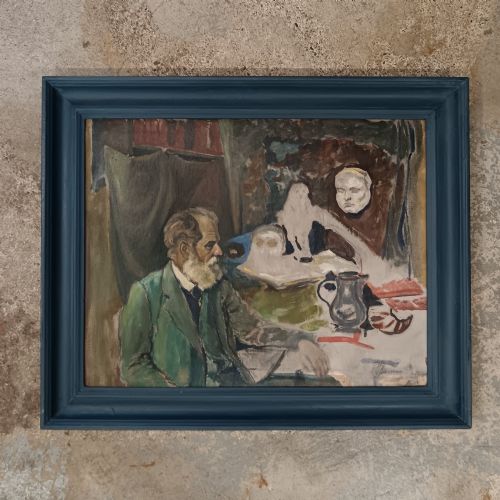
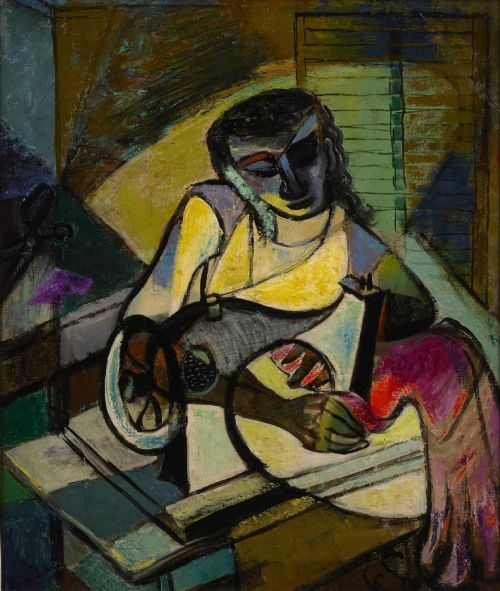
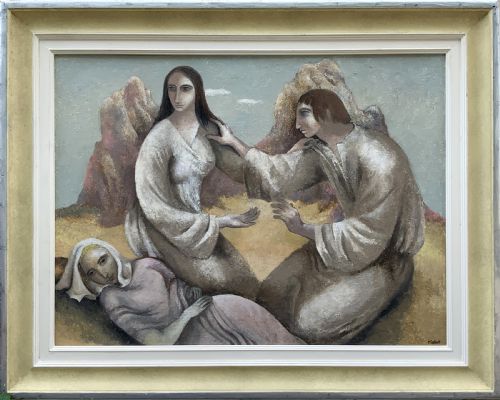
An expressionist figurative painting presents human forms through the lens of modernism and mid-century expressionism, focusing on emotional resonance rather than strict realism. Buyers seek these works for their direct psychological engagement and striking handling of subjects like portraits, nudes and daily scenes.
The pieces available span from the 1920s through the 1960s, encompassing movements such as fauvism, surrealism and modern British art. Most examples lean towards mid-century modern idioms, utilising canvas, board and paper as primary supports.
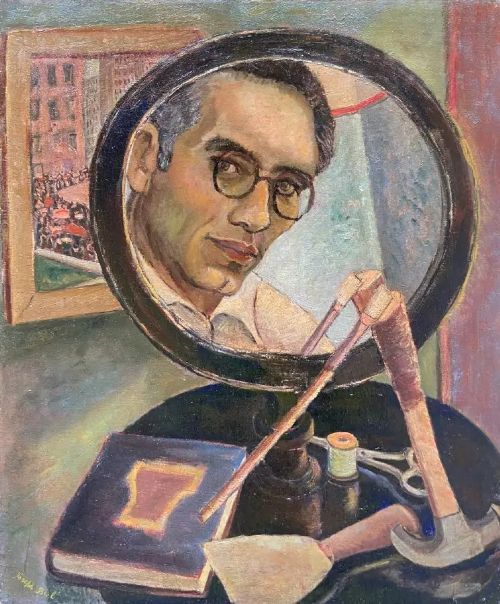
Portraits and figure studies dominate the selection, ranging from intimate self-portraits to expressive interpretations of the human figure. These works reflect the diverse international output of artists working across America and Europe during the twentieth century.
How They Were Made
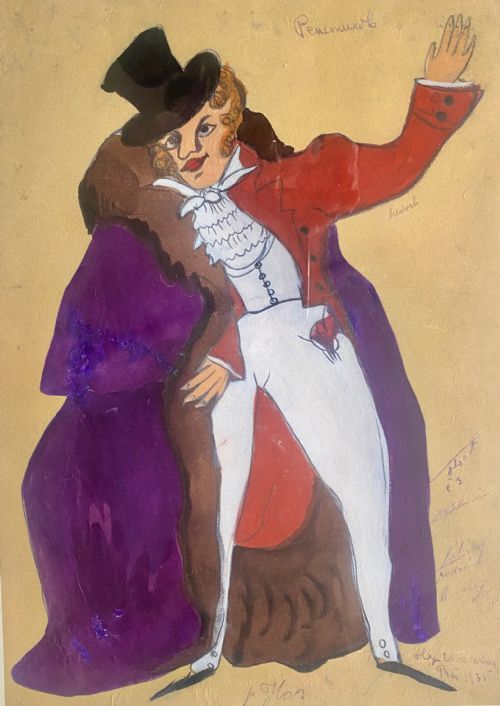
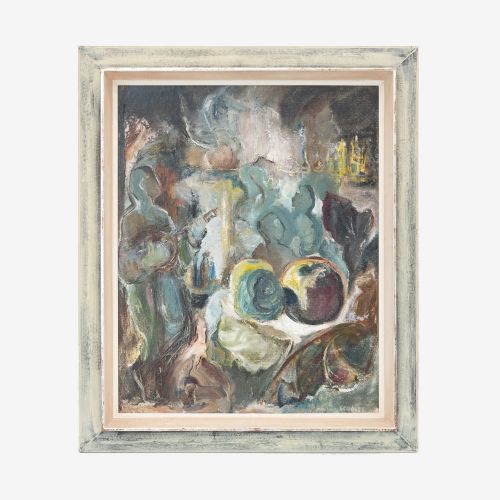
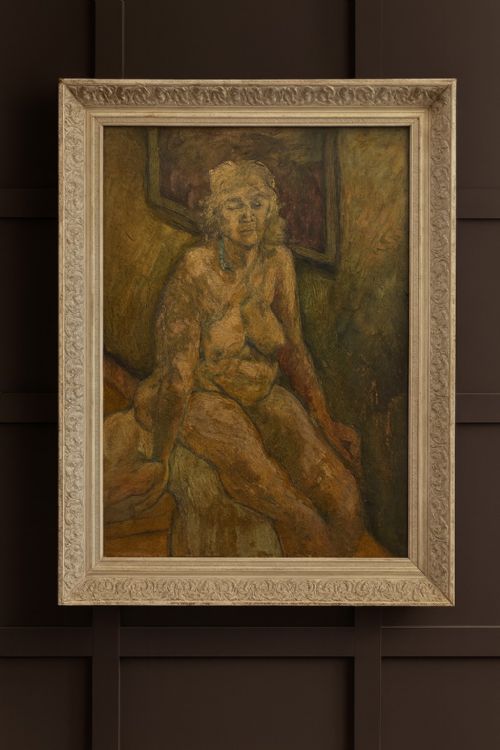
Artists built these compositions primarily using oil paint on canvas, board or traditional panels, often applying thick impasto to create physical depth and tactile presence. Gouache and ink on paper appear frequently in works that prioritize graphic immediacy over layered oil pigments.
The technical approach relies on expressive brushwork and gestural marks rather than smooth blending, allowing the physical application of paint to convey mood. Supports range from stretched canvas to board and paper, occasionally utilising mixed media to achieve varied surface textures.
Expressionist Figurative Painting Retail Price Guide 2026
Typical asking prices for expressionist figurative painting among the pieces listed under this phrase on Sellingantiques today, from the lower quarter to the upper quarter. They describe what is for sale here now, not the wider market.
Expect encounters with adventurous cats, geese marching beside archbishops, and trumpeters sharing space with clowns.
What Varies in Quality
Quality rests on the confidence of the brushwork and the clarity of the artistic vision, distinguishing works with decisive marks from weaker compositions. The strength of the psychological tension between the subject and the viewer dictates the overall impact of the piece.
The harmony between the chosen medium and the support alters the character of the work, as seen in the contrast between heavily impastoed oils on canvas and delicate gouache on paper. Mastery of proportion and expressive distortion separates accomplished mid-century examples from routine exercises.
Joseph Biel·Lena Gurr·Christine Nesbit·Lilian Colbourn·Olga Choumansky·Gabriel Dauchot·Marc Chagall·Baruch Shalom Oskotsky·Derek Latimer Sayer·Peter Jackson·Lester Epstein·Jean Hippolyte Marchand·Pinchus Krémègne·Andre Delfau·Kenneth B Malpass·Raymond Arthur Roadnight·Kees van Dongen·Richards Rubin·Markey Robinson·Bernard Meninsky·Archille Zavatta·Murphy
The Expressionist Figurative Painting Glossary
- Impasto
- Paint applied thickly to a surface, leaving visible brush or palette knife strokes that stand proud of the canvas. This technique adds tactile dimension and captures light dynamically.
- Fauvism
- An early twentieth-century style characterised by wild, untamed brushwork and vibrant, non-naturalistic colours. Practitioners prioritized painterly quality and strong emotional expression over representational accuracy.
- Chiaroscuro
- The strong contrast between light and dark, used to give a sense of volume to figures and objects. In figurative works, this technique heightens dramatic tension.
- Gouache
- An opaque water-based paint that dries to a matte finish, allowing for vibrant colour blocks and graphic line work. It appears often on paper supports within mid-century works.
Expressionist Figurative Painting: Frequently Asked Questions
What defines an expressionist figurative painting?
These works focus on human subjects through distorted forms, bold brushwork and intense emotional expression rather than strict realism. They developed through various twentieth-century modern movements.
Artists prioritized subjective feeling over optical accuracy, resulting in portraits and figure studies with powerful psychological presence.
How should I care for these paintings?
Protect oil and gouache works from direct sunlight and fluctuating humidity to prevent paint cracking or paper degradation. Keep canvas and board pieces in stable indoor environments.
Consult a professional restorer before attempting any cleaning or reframing of mid-century surfaces.
What periods do these artworks represent?
The available pieces originate primarily from the 1920s through the 1960s, capturing decades of rapid artistic experimentation. This era includes interwar modernism and post-war expressionist developments.
Dates are established through artist signatures, dates on the work or documented periods of activity.
What materials were commonly used?
Artists worked primarily with oil paint on canvas or board, alongside gouache and ink on paper supports. Impasto techniques and mixed media appear frequently in these mid-century compositions.
The choice of support dictates how the paint sits, influencing the texture and durability of the artwork.