



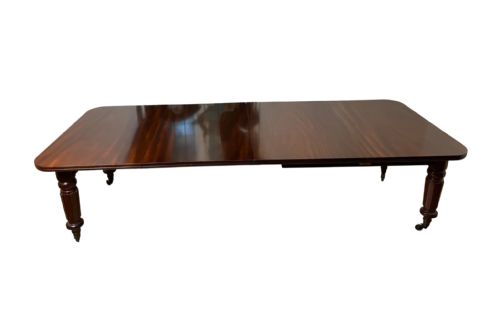


Expandable Wood Dining Table
An expandable wood dining table solves the timeless problem of seating a crowd without crowding the room on ordinary days.
Expandable Wood Dining Table
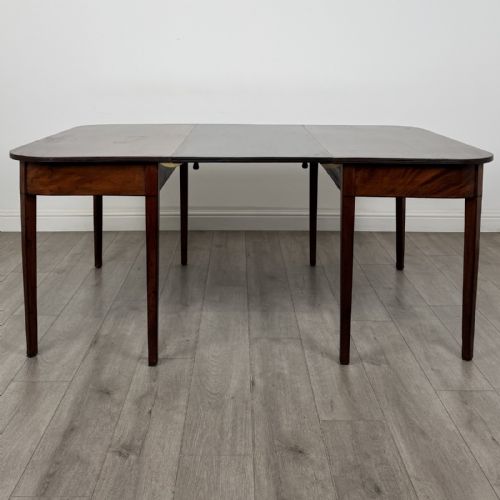
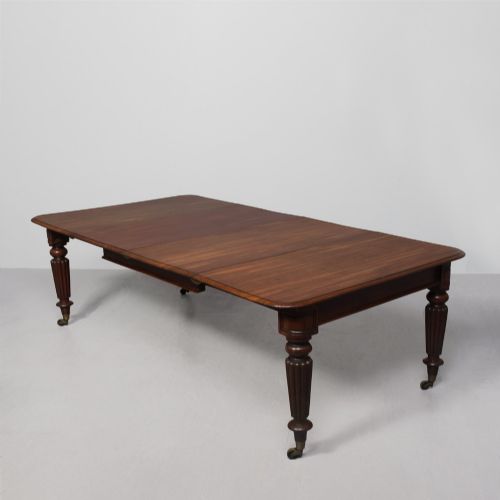
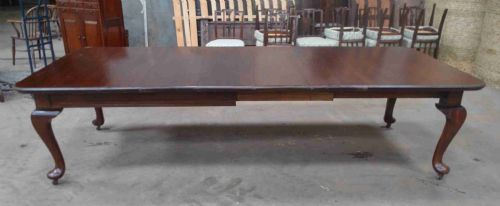
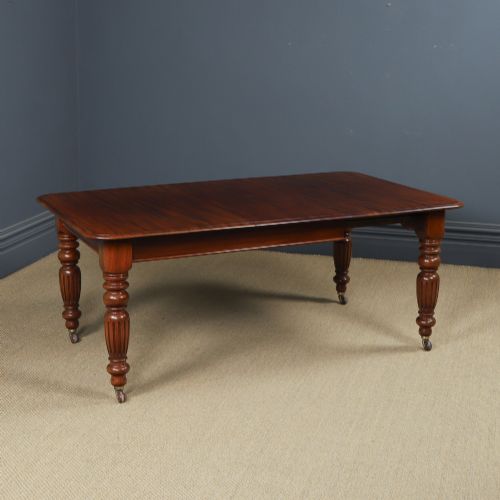
When you search for an expandable wood dining table, you find pieces designed to adapt their length for gatherings, mostly originating from the nineteenth century. The most common form on this page is the Victorian or William IV mahogany extending table, often fitted with extra leaves and winding mechanisms.
These tables span several distinct historic periods, including Regency, Georgian, and Victorian eras, alongside styles ranging from simple drop-leaf designs to grand twin pedestal formats. Oak gateleg examples also appear alongside mahogany models, offering alternative timbers for earlier periods.
The pieces listed here range from compact six-seater tables to vast fifteen-foot dining surfaces capable of accommodating large dinner parties. Many retain their original brass castors and wind-out mechanisms to assist with the extension process.
What varies in quality
The distinction between ordinary tables and exceptional ones lies in the selection of the timber and the precision of the extension mechanism. Finer pieces employ deeply figured Cuban mahogany and retain matching leaves that maintain consistent grain and colour across the entire extended surface.
Construction details such as solid secondary timbers, substantial pedestal bases, and stamped maker signatures elevate certain examples far above standard workshop production. The smoothness of the winding action and the stability of the legs when fully loaded indicate the original standard of craftsmanship.
Expandable Wood Dining Table Retail Price Guide 2026
Typical asking prices for expandable wood dining table among the pieces listed under this phrase on Sellingantiques today, from the lower quarter to the upper quarter. They describe what is for sale here now, not the wider market.
Several tables arrive with their original winding handles tucked away in secret drawers, proving that even Victorian engineers understood the frustration of lost keys.
Gillows Lancaster·Thomas Treherne
The Expandable Wood Dining Table Glossary
- Wind out
- A mechanical system utilising a metal screw rod operated by a handle to pull the table halves apart for inserting leaves.
- Cuban mahogany
- A dense, richly figured timber imported from the Caribbean, prized for its deep colour and durability in nineteenth-century furniture.
- Drop-leaf table
- A table with hinged flaps on either side that fold down when not in use to save floor space.
- Twin pedestal
- A table base consisting of two separate central columns supported by branching feet, common in Regency and Georgian dining furniture.
- Castors
- Small wheels attached to the bottom of table legs, often made of brass or ceramic, to facilitate movement.
Expandable Wood Dining Table: Frequently Asked Questions
How do I operate the extension mechanism?
Most nineteenth-century extending tables use a metal winding screw housed beneath the centre. Inserting the crank handle and turning it separates the two main halves to create the gap needed for additional leaves.
Once the gap is wide enough, drop the leaves into place and wind the table back together until the joints lock tight. Secure any brass clips underneath to keep the surface stable.
How many people will these tables seat?
The capacity depends entirely on the length of the table and the number of leaves included. Smaller Victorian versions typically seat six, while grander examples accommodate ten to fourteen diners.
Keep in mind that leg positions and pedestal bases influence chair placement along the sides. Measure the clearance between table legs to ensure your dining chairs fit comfortably underneath.
How do I care for a mahogany dining surface?
Protect the polished wood from direct heat and moisture by using mats and coasters during meals. Dust regularly with a dry cloth and apply a quality beeswax periodically to maintain the lustre.
Avoid placing antique tables near radiators or in direct sunlight, as extreme temperature shifts cause the timber to dry out and split. Promptly wipe away any liquid spills.
What is the difference between Regency and Victorian styles?
Regency tables, dating from the early nineteenth century, often feature cleaner classical lines, rosewood or mahogany veneers, and elegant pedestal supports. They reflect an influence of ancient Greek and Roman design.
Victorian pieces tend to be heavier and more robust, frequently incorporating wind-out mechanisms and elaborate carving. They were built to suit larger dining rooms and growing middle-class households.