




European Architectural Paintings
European architectural paintings capture streets, palaces, and townscapes across the continent, offering a window into historic urban life.
European Architectural Paintings
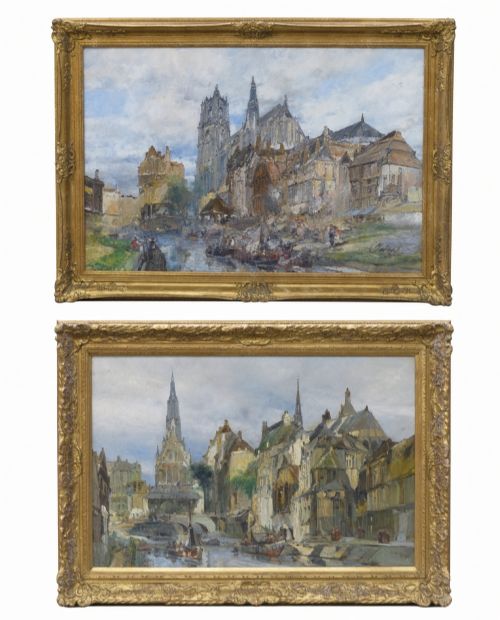
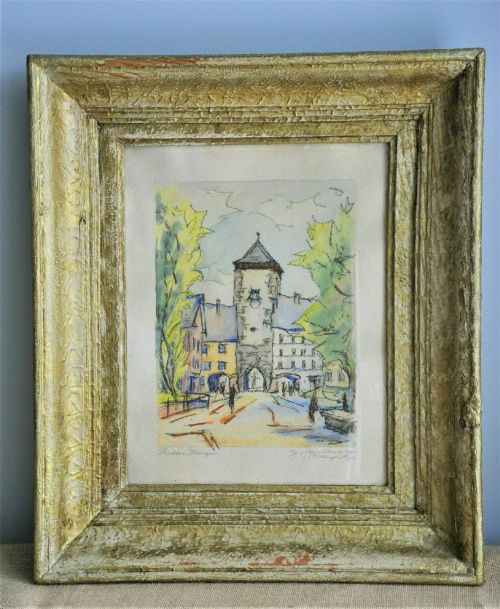
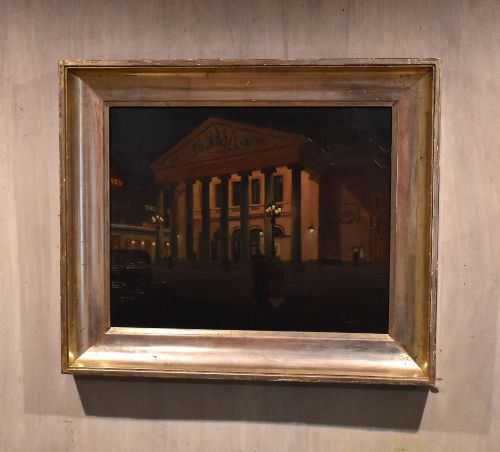
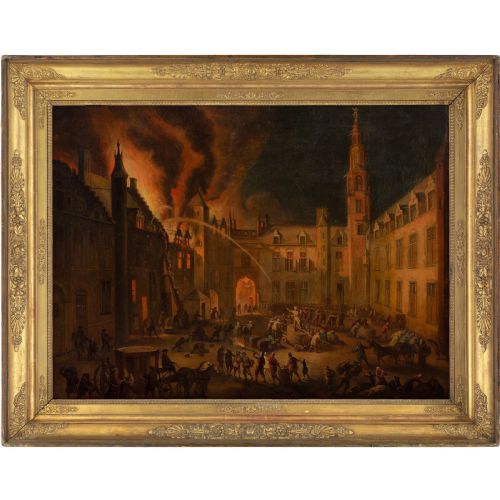
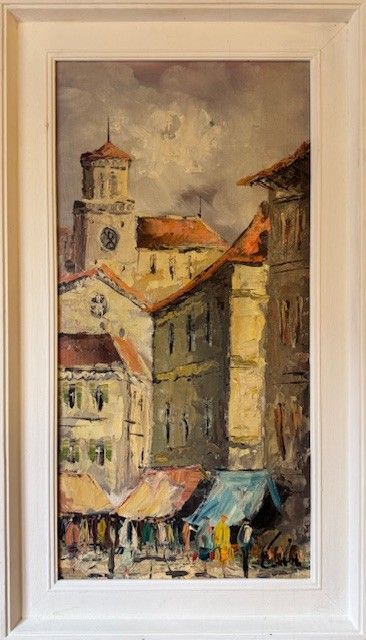
European architectural paintings depict city views, cathedrals, and historic squares across various continental locations. Buyers examining these works encounter depictions ranging from bustling market scenes to quiet canals and grand palaces.
The pieces on this page span several centuries and movements, with nineteenth-century works and mid-century interpretations appearing frequently. Artists render urban topographies using oil on canvas, wood panels, and watercolours.
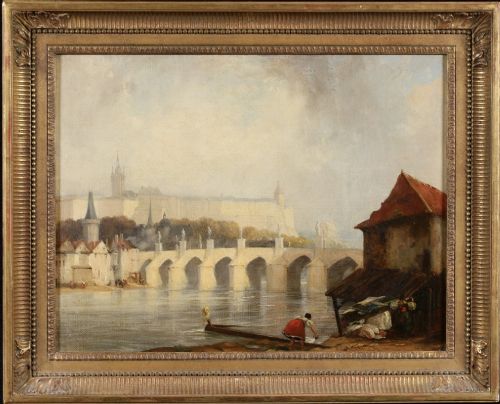
Subjects often focus on specific European locales such as Brussels, Prague, Paris, and various French and German towns. These artworks record specific buildings and streetscapes through the lens of distinct artistic styles.
How they were made
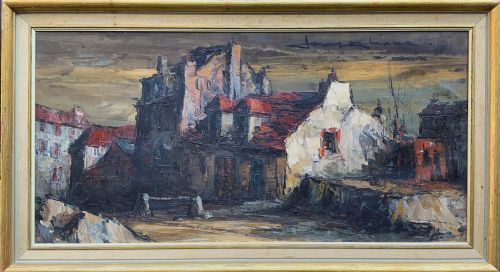
Painters primarily utilised oil paint on stretched canvas or wooden panels, building rich textures and deep tones. Some creators applied pigments thickly to create impasto surfaces that give buildings and streets a tangible relief.
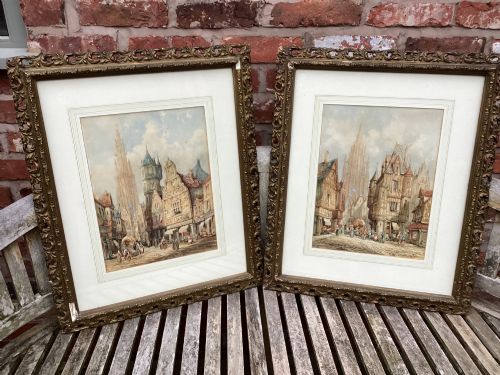
Watercolour on paper appears alongside oil works, offering lighter washes and delicate line work for architectural details. Many pieces retain their original wooden frames, frequently finished in giltwood that complements the palette of the composition.
European Architectural Paintings Retail Price Guide 2026
Typical asking prices for european architectural paintings among the pieces listed under this phrase on Sellingantiques today, from the lower quarter to the upper quarter. They describe what is for sale here now, not the wider market.
Materials recorded across the listings include canvas, wood, oil paint, paper, and giltwood.
What varies in quality
Quality rests upon the artist's command of perspective, scale, and the play of light across masonry and stone facades. Superior works balance structural accuracy with atmospheric depth, capturing the character of the urban environment rather than merely recording lines.
The handling of medium distinguishes different grades of work, as seen in the deliberate brushwork of mid-century impressionist townscapes versus simpler decorative pieces. Finer paintings integrate figures and daily life harmoniously into the architectural setting.
Job de Vogel·Félix Vanden Eycken·Henri Schafer·Paul-Élie Gernez·Frederick Tully Lott·William George Meadows·Lewis J Wood·Joseph W. Milliken·Noel Harry Leaver·Franz Reder-Broili·Christiaan Pieter Snyders·Letitia Marion Hamilton
The European Architectural Paintings Glossary
- Impasto
- Paint applied thickly to a canvas or panel, standing out in relief from the surface. This technique allows artists to build physical texture into stone walls and architectural details.
- Oil on Canvas
- Pigments bound in a drying oil applied to a woven fabric support stretched across a wooden frame. It remains the dominant medium for durable and expressive European paintings.
- Watercolour
- Paint consisting of colour suspended in a water-soluble binder, traditionally applied to paper. This medium produces transparent washes suited to rapid topographical studies.
- Giltwood
- Wood carved and covered with a thin layer of gold leaf or gold paint. Frames finished in this manner frequently accompany antique paintings.
- Townscape
- A painting, drawing, or other artwork depicting a city scape or urban view. The genre focuses on streets, squares, and buildings rather than rural landscapes.
European Architectural Paintings: Frequently Asked Questions
What periods do these paintings cover?
The selection includes works from the nineteenth century through the mid-twentieth century. Styles range from Victorian academic views to mid-century impressionism and German expressionism.
Specific decades represented include the 1920s, 1930s, 1940s, and 1950s. Each era brings distinct aesthetic priorities to the depiction of European architecture.
How should I care for an oil painting?
Keep paintings away from direct sunlight and dramatic fluctuations in temperature or humidity. These environmental controls protect the canvas and wood panel from warping or cracking.
Dust the surface gently with a soft, dry brush when needed. Avoid using water or chemical cleaners on the paint or the giltwood frame.
Where were these urban scenes painted?
The artworks document locations across continental Europe, featuring cities such as Prague, Brussels, Paris, Bruges, and Padua. Artists often travelled to historic urban centres to record local landmarks.
Many pieces capture specific market squares, cathedrals, bridges, and canals. These settings reflect the diverse architectural heritage of different European regions.
How do I identify a watercolour from an oil painting?
Watercolours are painted on paper, often showing transparent washes of colour where the texture of the paper remains visible beneath. They are typically displayed behind glass for protection.
Oil paintings utilise thicker pigments on canvas or wood panels, presenting a textured surface that reflects light differently. Oils generally do not require glass protection.