






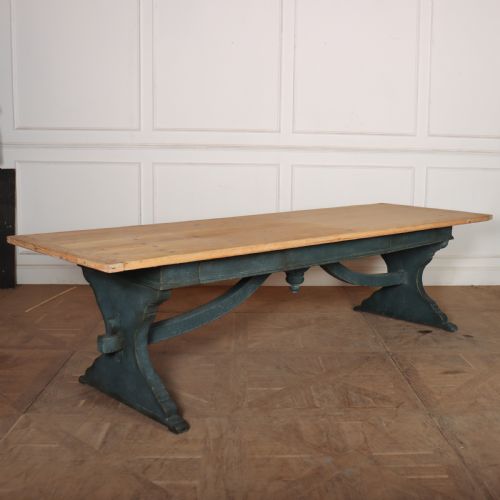
European Table
A european antique table brings centuries of continental craftsmanship into the home, offering sturdy pine surfaces and marble tops that anchor a room with genuine history.
European Table
A european antique table encompasses a diverse range of forms found across the continent, spanning centuries of domestic and formal use. Buyers exploring a european antique table encounter items that stretch from rustic country boards to grand baroque centrepieces.
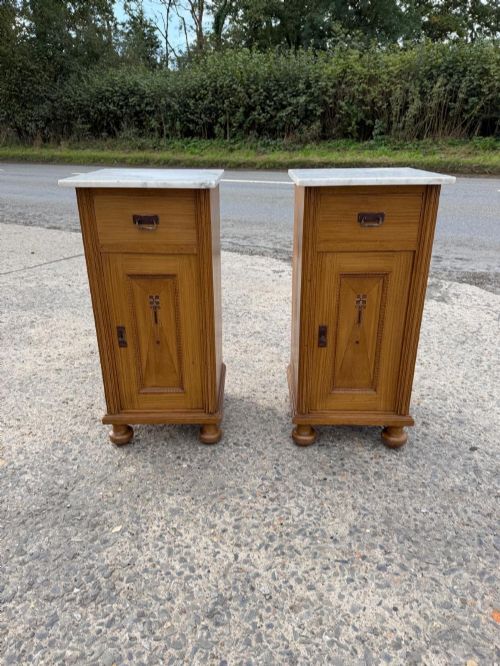
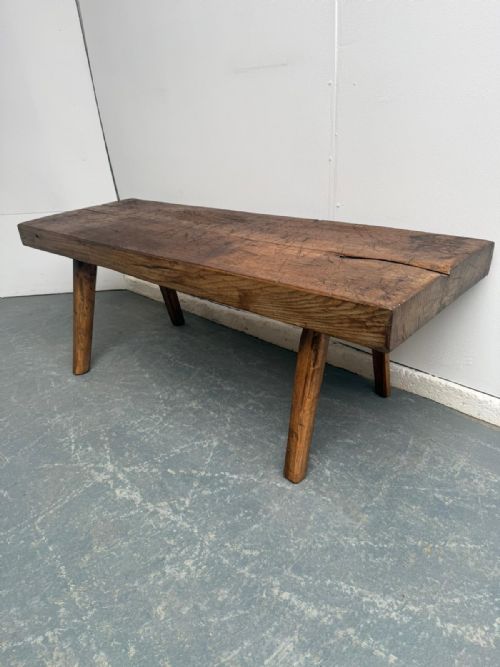
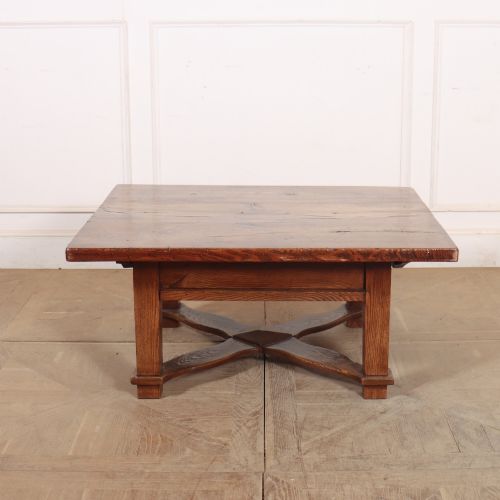
The pieces appearing here lean heavily into regional domestic furniture, featuring vernacular forms such as oak pig benches, elm coffee tables, and painted pine bedside cabinets. Alongside these sit occasional grander expressions, including Italian walnut tables topped with pink Salome marble.
Origins span Austria, Hungary, Italy, and Spain, reflecting the broad geography of European craftsmanship. These items bridge utilitarian pasts and decorative present interiors, shaped by local timbers and regional aesthetic traditions.
How they were made
Makers utilised locally available timbers including solid oak, elm, pine, and dense hardwoods to construct these tables and benches. Surfaces frequently show the marks of hand-tooling, with heavy trestle frames and tripod bases built for daily endurance.
Decorative elements involve painted finishes applied to pine and elm, alongside inset slabs of marble utilised for durability and visual contrast. Joinery relies on traditional pegging and framing methods appropriate to each regional workshop tradition.
European Table Retail Price Guide 2026
Typical asking prices for european table among the pieces listed under this phrase on Sellingantiques today, from the lower quarter to the upper quarter. They describe what is for sale here now, not the wider market.
Several tables here began life as heavy pig benches before finding a second career holding morning coffee.
What varies in quality
Quality rests in the integrity of the timber and the retention of original painted surfaces rather than applied modern finishes. Tables retaining their unblemished original marble tops and authentic structural timbers sit at the higher end of the range.
Proportion and regional character dictate desirability, with well-balanced proportions in vernacular pieces distinguishing them from heavier, clumsy examples. The survival of surface patination accumulated through generations of use remains central to an object's standing.
The European Table Glossary
- Trestle table
- A board resting on two or more trestle supports, forming a sturdy surface used traditionally for dining or working.
- Centre table
- A freestanding table designed to stand in the middle of a room rather than against a wall, frequently finished on all sides.
- Pig bench
- A narrow, heavy wooden bench originating from rural agricultural communities, constructed from solid oak or hardwood.
- Salome marble
- A decorative calcareous stone featuring distinctive pink and variegated tones, utilised for high-status table tops.
- Tripod base
- A support structure resting on three legs, commonly found beneath circular serving blocks and small occasional tables.
European Table: Frequently Asked Questions
What is a european antique table?
A european antique table is a piece of furniture originating from continental workshops, encompassing everything from rustic country boards to baroque centre tables.
These items reflect the specific materials and domestic needs of their regions, including pine, elm, and walnut across various centuries.
How were old tables used?
Older tables served utilitarian domestic purposes, ranging from food preparation and agricultural work to formal household dining.
Many forms adapted to specific regional tasks, such as heavy hardwood benches used in farm settings or smaller bedside cabinets with marble surfaces.
How do I style an antique table?
Living with these pieces involves pairing their aged timber patination and painted finishes with contemporary or traditional interior spaces.
Their robust construction allows them to function as coffee tables, dining surfaces, or decorative accents in modern rooms.
How do I identify the period?
Dating relies on observing construction methods, timber selection, and stylistic markers associated with specific centuries like the eighteenth or nineteenth.
Regional characteristics and the presence of original painted decoration or marble inserts also provide strong clues to an item's age.