

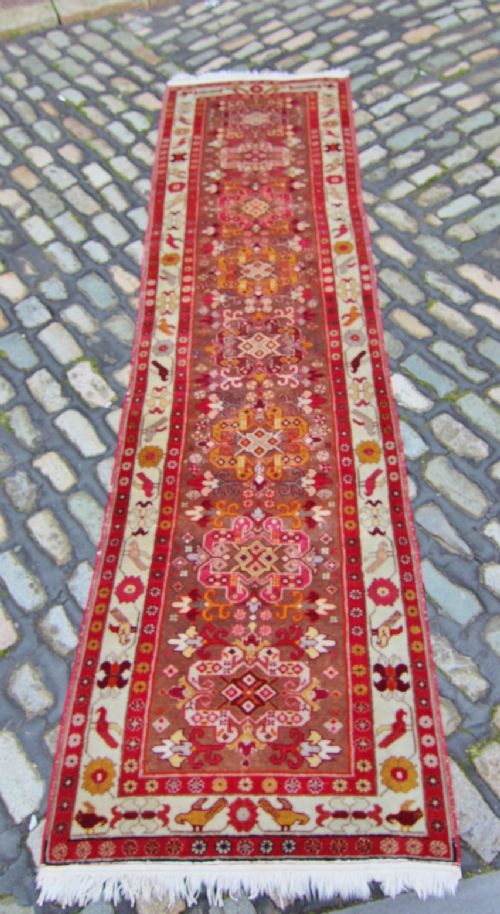
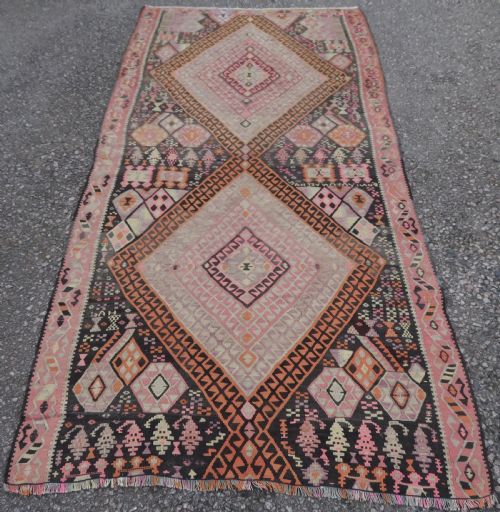
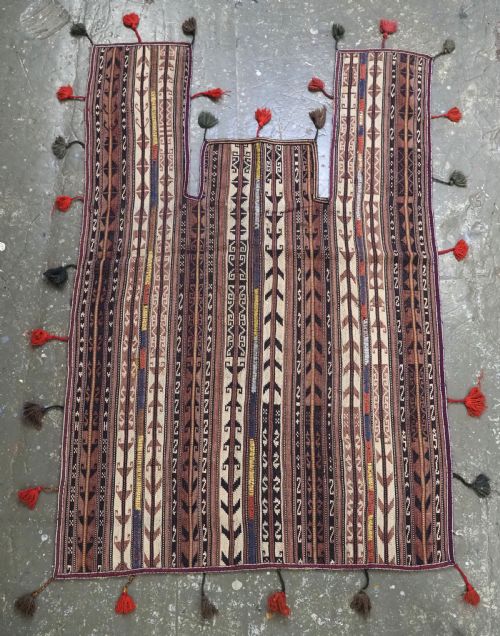
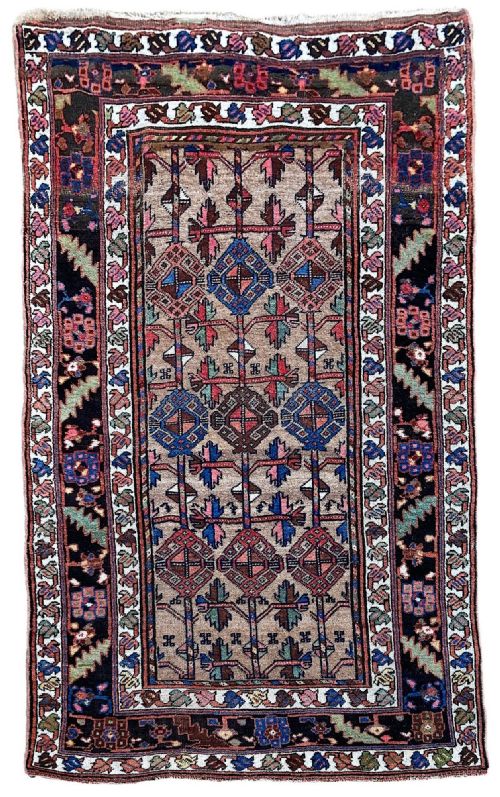




Ethnic Woven Rug
An ethnic woven rug brings tactile depth to a floor through enduring tribal patterns passed down across generations.
Ethnic Woven Rug
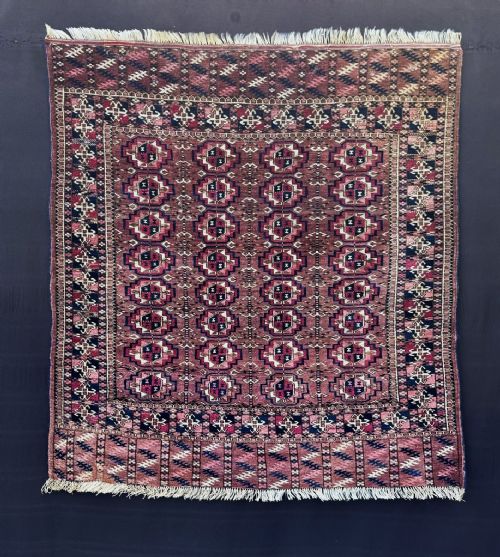
Pieces span the nineteenth and early twentieth centuries, featuring distinct tribal motifs created by groups such as the Turkmen, Kurdish, Baluch, and Afshar peoples. These floor coverings and wall hangings carry the heritage of traditional village and nomadic craftsmanship.
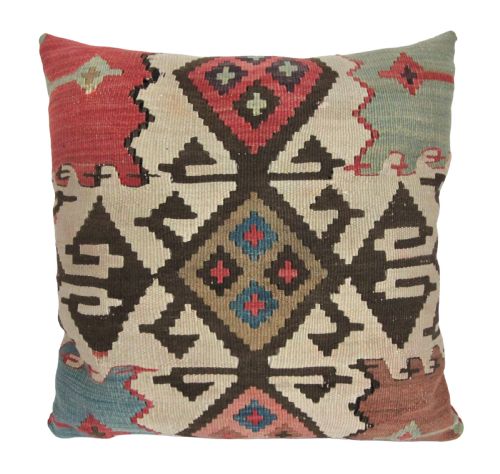
The most common formats on this page include flat-woven kilims, pile rugs, and decorative cushions fashioned from older textile fragments. Each item reflects the specific regional palette and knotting or weaving tradition of its makers.
How they were made
Weavers relied on natural materials such as hand-spun wool, cotton, goat hair, and occasional silk for specific highlights. These fibres were dyed using traditional methods to achieve the warm, soft colours seen across the rugs and panels.
Construction techniques include flat-weaving, pile knotting, and intricate embroidery. Artisans produced durable items designed for nomadic utility, utilising sturdy wool warps and wefts that withstand centuries of handling.
Ethnic Woven Rug Retail Price Guide 2026
Typical asking prices for ethnic woven rug among the pieces listed under this phrase on Sellingantiques today, from the lower quarter to the upper quarter. They describe what is for sale here now, not the wider market.
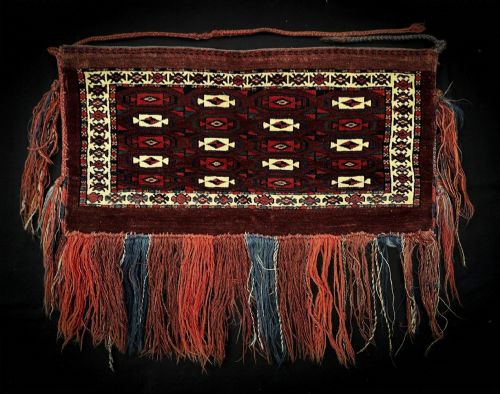
Object forms span cushions, horse blankets, dowry panels, yurt bands, and full-sized rugs from Central Asian and Anatolian traditions.
What varies in quality
Quality rests in the tightness of the weave, the precision of the tribal motifs, and the integrity of the structural foundations. Finer pieces display exceptional density in the wool and clear, deliberate execution of traditional gols and geometric symbols.
The sophistication of the dye work and the preservation of the original edges and borders also separate ordinary examples from superior specimens. Complete items such as intact dowry pieces or large tent bands represent the upper tier of the craft.
The Ethnic Woven Rug Glossary
- Kilim
- A flat-woven carpet or rug produced by tightly interweaving warp and weft strands to create a smooth surface without pile. These textiles are traditionally used for floor coverings, wall hangings, and decorative furnishings.
- Tribal
- Pertaining to nomadic or village communities that produce indigenous textiles for personal use or local trade. These pieces typically feature geometric symbols and traditional motifs specific to a particular clan or region.
- Torba
- A small storage bag or hanging used in nomadic tents, often featuring elaborate face designs. They were traditionally hung inside the yurt to hold household items.
- Ikat
- A dyeing technique where yarns are tie-dyed before weaving to create intricate patterns with characteristic feathered edges. Silk panels and purses utilise this method.
Ethnic Woven Rug: Frequently Asked Questions
How do I clean an antique woven rug?
Surface dust can be removed gently using a soft brush or light suction without the beater bar. Professional textile cleaning is recommended for deeper maintenance to protect natural wool and traditional dyes.
Water exposure should be kept to a minimum to prevent dye bleeding or fibre shrinkage. Proper placement away from direct, harsh sunlight preserves the soft colours over time.
Can these rugs be placed on heated floors?
Natural animal fibres like wool and goat hair tolerate moderate ambient heat well. Placing a breathable, non-slip underlay beneath the textile prevents friction and allows proper air circulation.
Avoid sealing the rug directly against unventilated hot surfaces to maintain the integrity of the historical materials.
What is the difference between a kilim and a pile rug?
A kilim is flat-woven with no raised pile surface, making it lighter and thinner. Pile rugs involve knotted loops of wool or silk sheared to create a plush, textured surface.
Both forms served practical purposes in nomadic tents, with flat-weaves used for versatile coverings and pile rugs providing warmth on cold ground.
How are tribal motifs identified?
Motifs such as gols, medallions, and banded geometric patterns correspond to specific weaving groups and geographical regions. Turkmen, Kurdish, and Baluch tribes each employed distinct visual vocabularies passed down through generations.
Comparing structural details and colour palettes helps connect a textile to its precise area of origin.