



Estate Jewellery
Estate jewellery encompasses previously owned rings, necklaces, bracelets, and brooches spanning multiple historic periods and styles.
Estate Jewellery
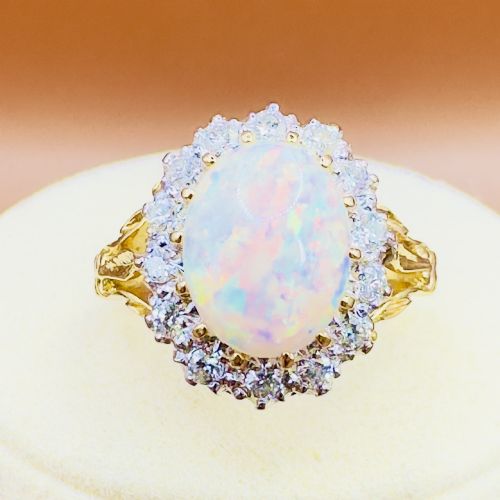
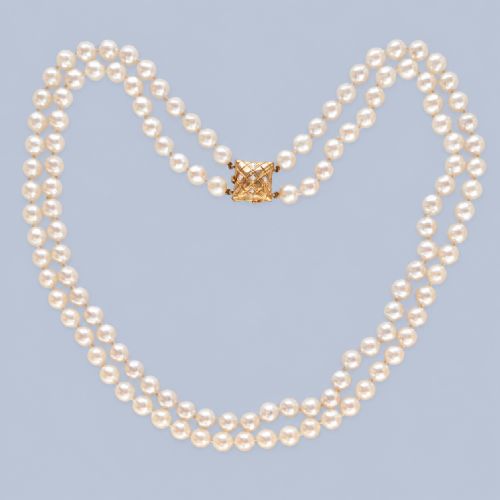
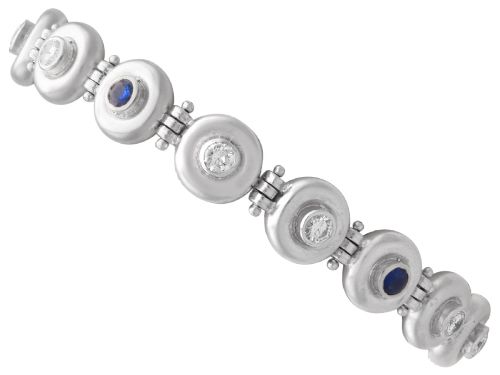
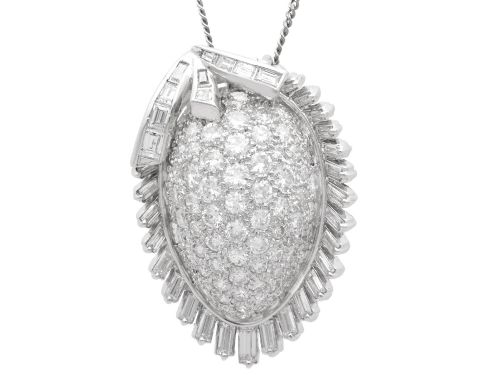
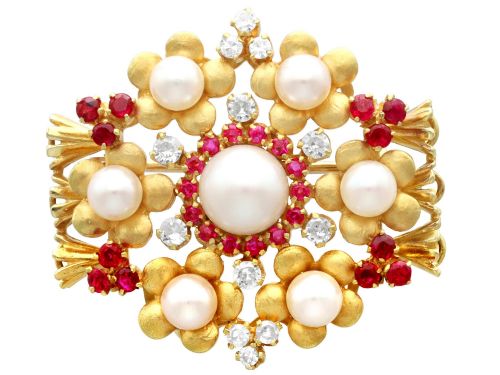
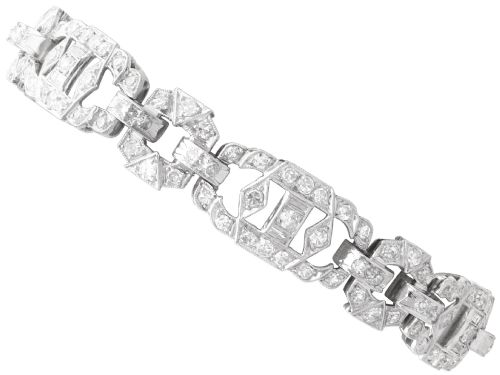
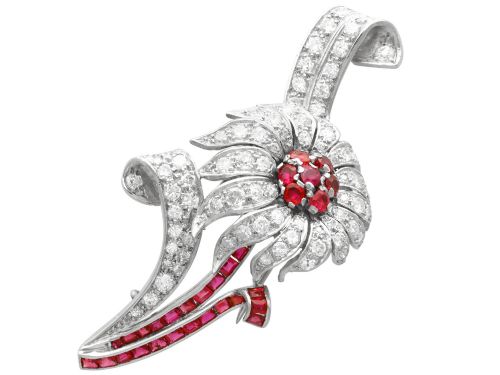
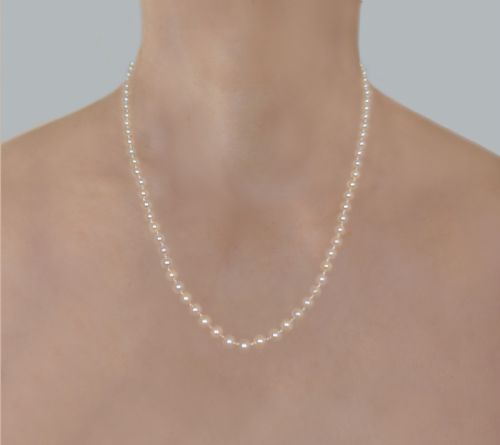
Estate jewellery refers to precious adornments that have had a previous owner, ranging from the nineteenth century through the Edwardian era and the Art Deco period to Mid-Century Modern designs. Buyers searching for estate jewellery encounter an array of items including diamond cluster rings, pearl necklaces, platinum bracelets, and gold brooches.
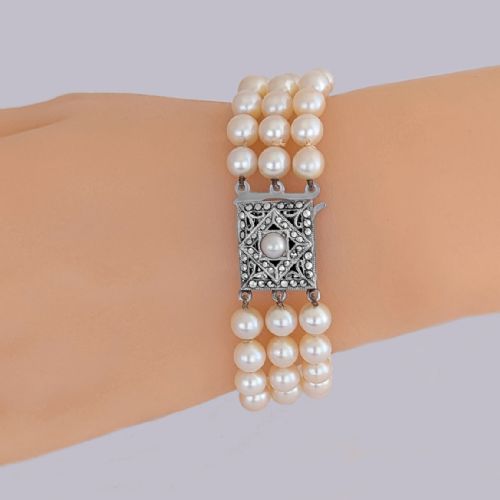
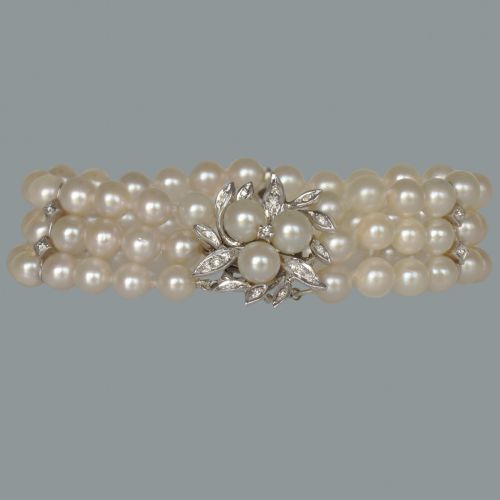
The pieces available span various decades, with a notable concentration of items originating from the 1930s, 1940s, 1950s, and 1960s. Common forms include drop earrings, stud earrings, dress rings, eternity rings, pendants, and multi-strand pearl bracelets fitted with diamond or gemstone clasps.
Selecting items from this category allows collectors to acquire historic craftsmanship, precious metals, and certified gemstones that reflect specific design movements of the past. Each piece carries the distinct stylistic hallmarks of its era, whether geometric platinum work or organic 1950s gold forms.
Materials and Techniques
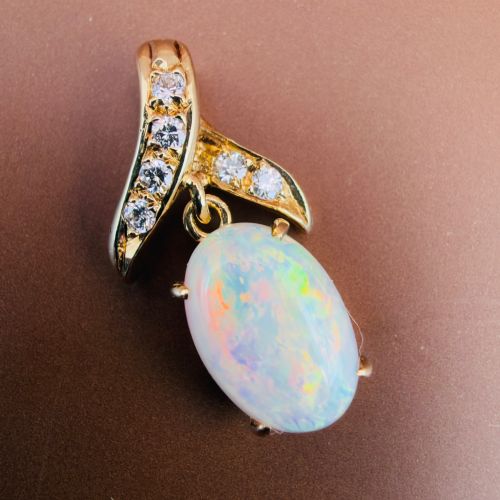
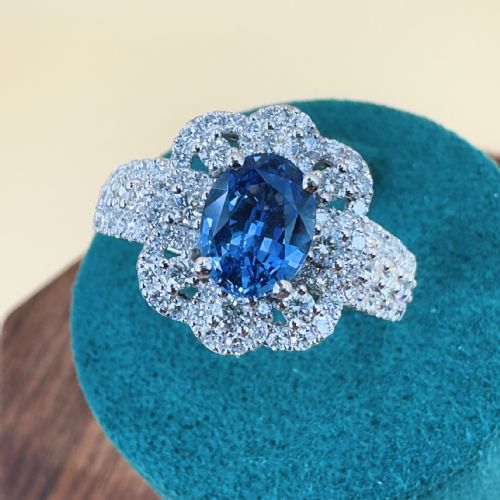
The fabrication of these items relies heavily on platinum and various karats of gold, including 9ct, 14ct, 18ct white gold, and 18ct yellow gold. Artisans set diamonds alongside coloured gemstones such as sapphires, rubies, emeralds, zircons, garnets, aquamarines, and opals into durable metallic settings.
Techniques range from intricate platinum pierced work seen in Art Deco pieces to the heavier casting and organic shaping characteristic of mid-century workshops. Pearls are utilised in single or multi-strand necklaces and bracelets, frequently secured with custom-designed diamond and precious metal clasps.
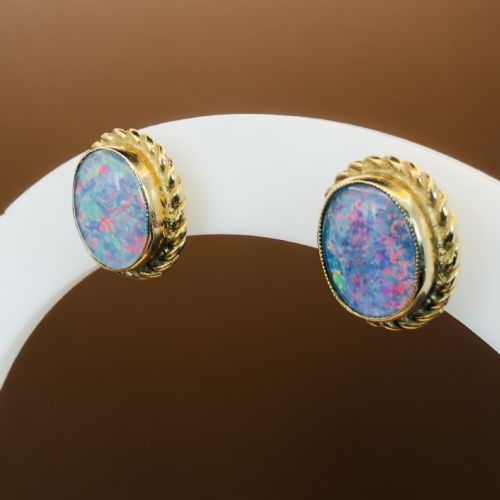
Goldsmiths and lapidaries employed traditional stone-cutting methods, producing old-cut diamonds, cabochon opals, and faceted rubies and sapphires. Metalwork often incorporates detailed engraving, enamel work, and specialised clip-on or pin mechanisms for earrings and brooches.
Estate Jewellery Retail Price Guide 2026
Typical asking prices for estate jewellery among the pieces listed under this phrase on Sellingantiques today, from the lower quarter to the upper quarter. They describe what is for sale here now, not the wider market.
Several vintage pearl bracelets feature secret diamond-set floral clasps, offering a hidden sparkle beneath the wrist.
Quality Variations
Quality in these pieces depends heavily on the precision of the metalwork, the structural integrity of the settings, and the purity and weight of the precious metals used. Items with heavy platinum or high-karat gold construction demonstrate superior durability and material value.
The grade, cut, and carat weight of the central gemstones significantly influence the tier of a piece, with larger, well-matched diamonds and natural unheated rubies or sapphires commanding higher regard. The complexity of the design and the presence of signed maker elements elevate the standing of an item.
The original condition of the pieces, including the preservation of delicate millegrain edges, secure stone settings, and intact clasps, determines their standing among collectors. Items retaining original boxes or documentation of recent professional maintenance maintain higher integrity.
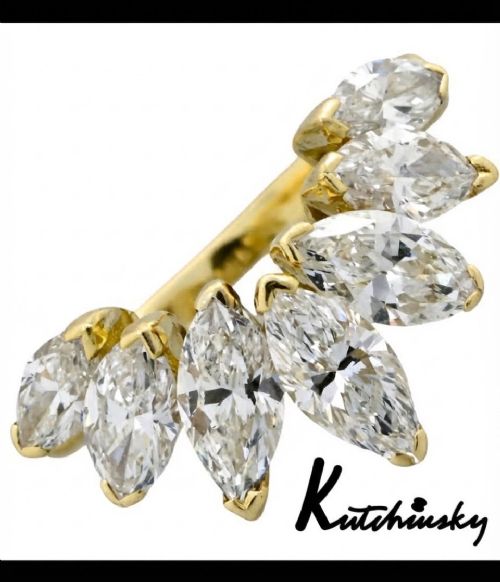
Kutchinsky·Le Vian·Chaumet
The Estate Jewellery Glossary
- Cabochon
- A gemstone shaped and polished with a smooth, rounded surface rather than faceted facets. This style highlights the natural colour and optical phenomena of stones like opals and star sapphires.
- Eternity ring
- A band of precious metal set continuously round the circumference with gemstones symbolising endless love. These pieces typically feature diamonds or alternating stones.
- Millegrain
- A decorative jewellery technique involving a line of tiny metal beads along the edges of a setting. It was particularly popular during the Edwardian and Art Deco periods.
- Old-cut diamond
- A vintage diamond cutting style predating modern brilliant cuts, characterised by a smaller table, higher crown, and open culet. These stones exhibit a distinctive, softer candlelight sparkle.
- Doublet
- A composite gemstone made by fusing two separate pieces together, commonly used to enhance the appearance and durability of opals. The top layer consists of precious opal while the base provides structural support.
Estate Jewellery: Frequently Asked Questions
What defines estate jewellery?
Estate jewellery simply describes any piece of jewellery that has been previously owned, regardless of its age. This category includes everything from antique Victorian items to mid-century modern designs.
Items are typically acquired from private estates rather than manufactured directly for retail sale. They encompass a wide variety of styles, gemstones, and precious metals.
How do I care for pearl necklaces?
Cultured pearls require gentle maintenance because organic gems are sensitive to chemicals, perfumes, and cosmetics. They should be wiped clean with a soft cloth after wearing.
Storing them flat prevents stretching the silk thread. Periodic professional restringing is recommended to keep the strands secure between individual pearls.
Can clip-on earrings be converted?
Clip-on earrings can often be converted to post-back fittings by a professional jeweller, depending on the original design. The feasibility depends on the weight and construction of the earring frame.
It is advisable to consult a specialist who understands vintage platinum and gold settings to perform any alterations safely.