



Estate Diamond Jewelry
Estate diamond jewellery brings together surviving pieces from the Victorian era through the mid-century, offering distinct periods of design and craftsmanship.
Estate Diamond Jewelry
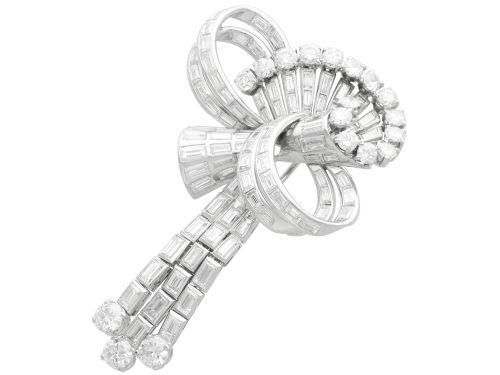
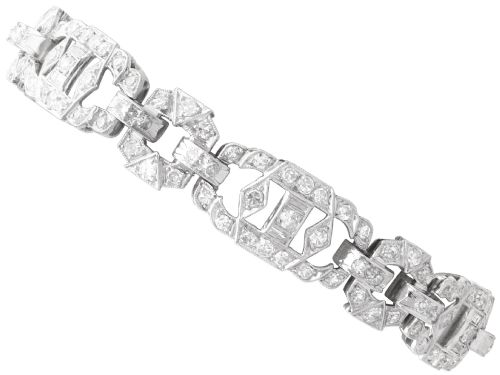
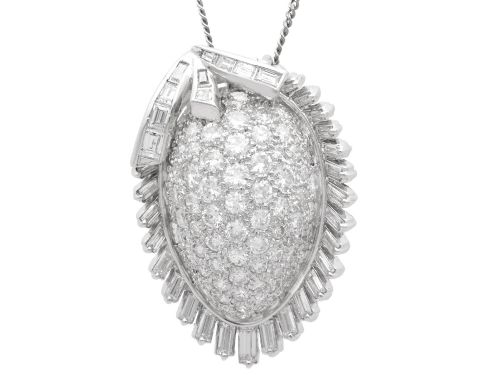
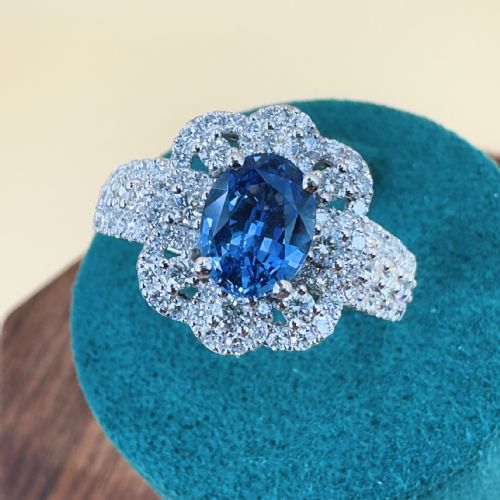
Estate diamond jewellery comprises previously owned rings, necklaces, bracelets, brooches, and earrings spanning the nineteenth century to the mid-twentieth century. Buyers searching this phrase encounter distinct design movements, most notably Art Deco geometric creations alongside flowing mid-century floral and organic motifs.
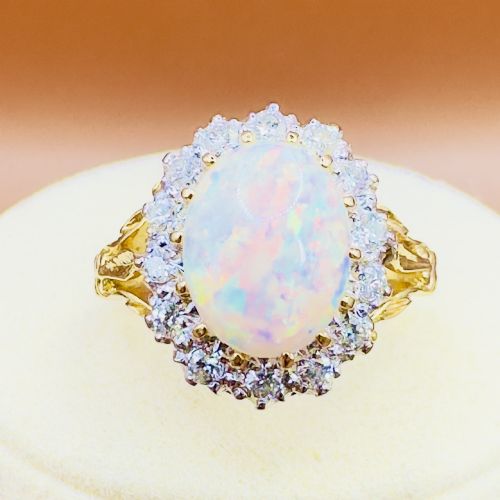
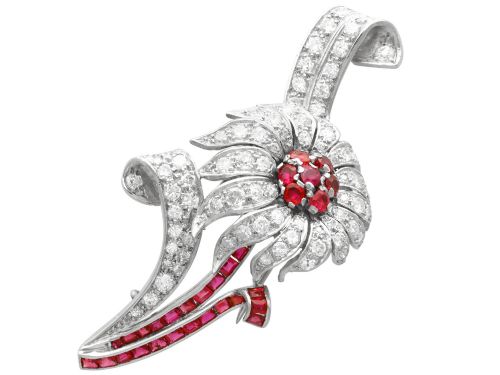
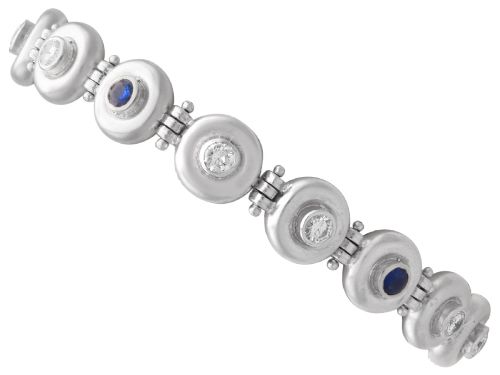
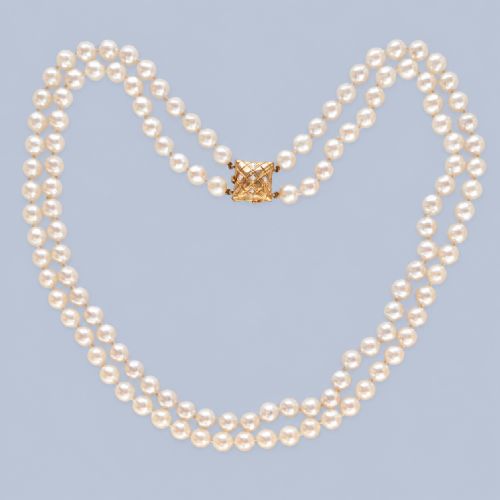
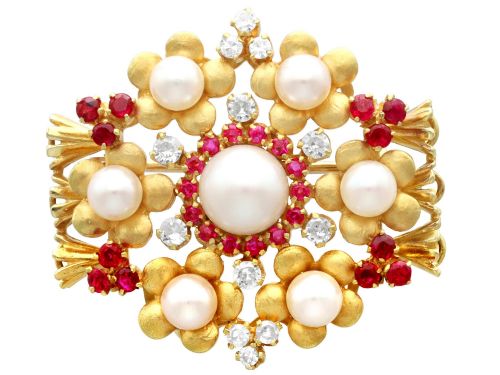
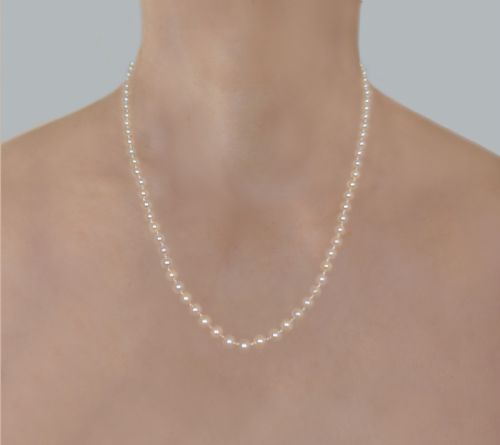
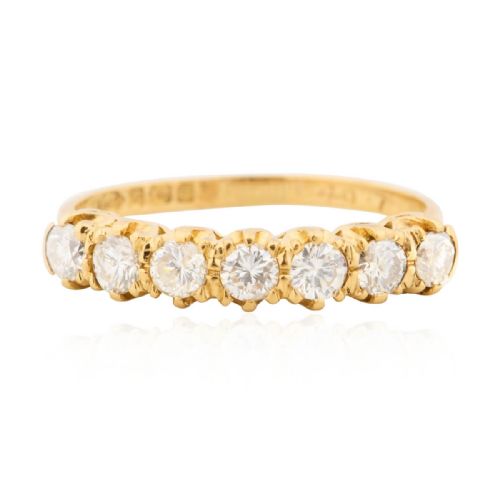
The selection ranges from delicate eternity rings and drop stud earrings to substantial platinum bracelets and multi-strand pearl necklaces featuring diamond-set clasps. Pieces frequently incorporate coloured gemstones such as sapphires, rubies, emeralds, opals, and pearls alongside the central diamonds.
Items hail from diverse eras including Victorian, Art Nouveau, Art Deco, and the 1940s and 1950s retro periods. This variety ensures that buyers find both structured geometric statements and softer, romantic forms.
Materials and construction methods
Workshops utilised platinum extensively during the Art Deco period to construct strong, intricate settings that could hold numerous small diamonds securely without bulky metal surrounds. White gold in various carat weights, alongside traditional yellow gold, provided the foundation for mid-century rings, brooches, and clasp assemblies.
Gems were secured using traditional techniques such as grain setting, bezel work, and claw mounts tailored to the specific cut of the stone, whether old cut, oval, or cabochon. Pearls were strung into double and triple strands, often paired with custom-made clasps set with diamonds and sapphires.
Estate Diamond Jewelry Retail Price Guide 2026
Typical asking prices for estate diamond jewelry among the pieces listed under this phrase on Sellingantiques today, from the lower quarter to the upper quarter. They describe what is for sale here now, not the wider market.
Distinctions in quality and execution
Quality separates pieces by the precision of their metalwork and the integration of the stones within the design. Superior examples display meticulous hand-finishing, balanced stone grading, and robust structural integrity in hinges, clasps, and settings.
The harmony between the central diamonds and secondary gems like rubies, sapphires, or cultured pearls dictates the overall refinement of the piece. Master jewellers ensured that mountings enhanced the optical performance and character of every individual stone.
Kutchinsky·Le Vian·Chaumet
The Estate Diamond Jewelry Glossary
- Old cut
- A diamond facet style popular in earlier periods featuring a smaller table, higher crown, and open culet. These stones exhibit a distinctive chunky pattern of light return compared to modern brilliant cuts.
- Cabochon
- A gemstone shaped and polished with a smooth, convex domed surface rather than being faceted. This cut is frequently seen on opals, sapphires, and emeralds within vintage clusters.
- Platinum
- A dense, durable, and naturally white precious metal favoured in early twentieth-century jewellery for its strength. It allowed makers to create delicate wirework and securely hold pavé-set diamonds.
- Eternity ring
- A band set continuously with gemstones symbolising endless love. Versions from the mid-century typically utilise channel or claw settings for uniform stones.
- Clasp
- A functional fastening mechanism that often doubles as a decorative focal point on multi-strand pearl necklaces and bracelets. These are frequently paved with diamonds and coloured stones.
Estate Diamond Jewelry: Frequently Asked Questions
What periods do these pieces cover?
The selection spans from the 19th century through Victorian, Art Nouveau, and Art Deco eras into the 1940s, 1950s, and 1960s mid-century periods. Each era brings distinct stylistic signatures in metalwork and stone arrangement.
Buyers will find that older pieces often utilise platinum and old cut diamonds, while later mid-century items embrace textured gold and organic motifs.
How should I care for vintage pearl necklaces?
Pearl necklaces require gentle maintenance, including periodic restringing to secure the silk thread between each cultured pearl. Avoid exposing pearls to cosmetics, perfumes, and harsh chemicals.
Store them flat in soft pouches away from hard gemstones to prevent scratching the nacre and damaging the diamond-set clasps.
Are the gemstones natural?
The listings include natural gemstones such as Burmese rubies, Ceylon sapphires, emeralds, and opals paired with diamonds. Many pieces retain their original character from the period in which they were manufactured.
Documentation or certification is often provided for significant stones to verify their origins and characteristics.
How can I identify Art Deco jewellery?
Art Deco pieces typically feature strong geometric lines, symmetrical patterns, and extensive use of platinum paired with calibré-cut stones. The design aesthetic emphasises bold contrasts and architectural forms.
This style contrasts sharply with the softer floral sprays and organic textures found in subsequent mid-century pieces.