



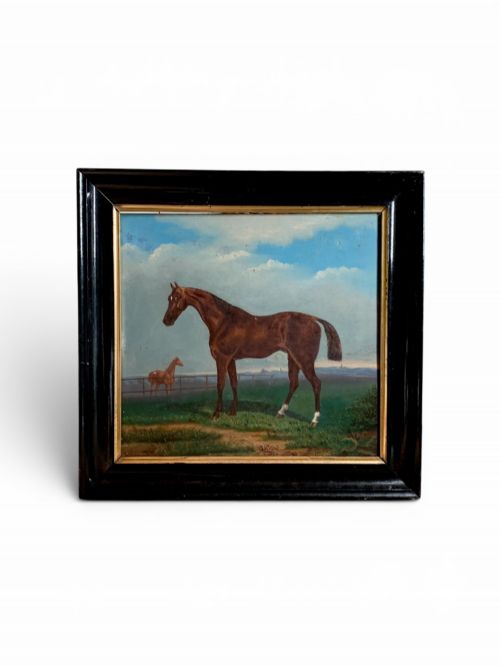
Equine Portrait Artwork
These equine portrait artwork examples capture horses through oil paint and watercolour from the Georgian period to the twentieth century.
Equine Portrait Artwork
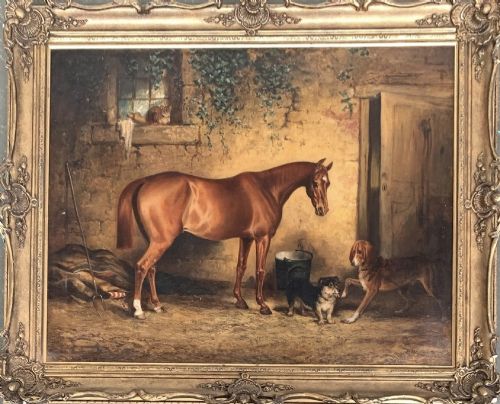
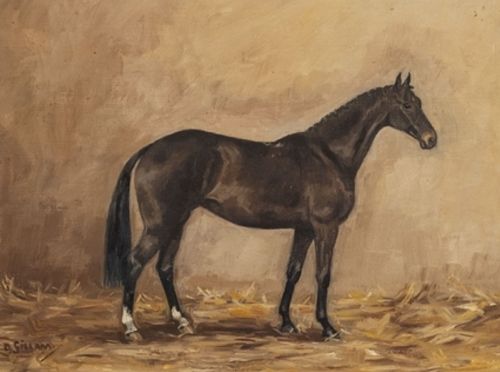
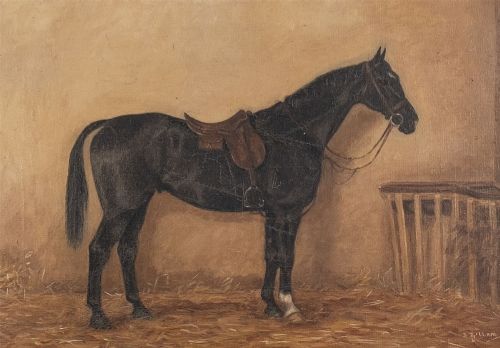
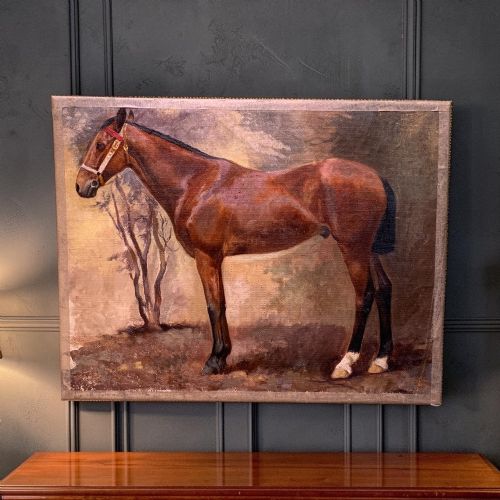
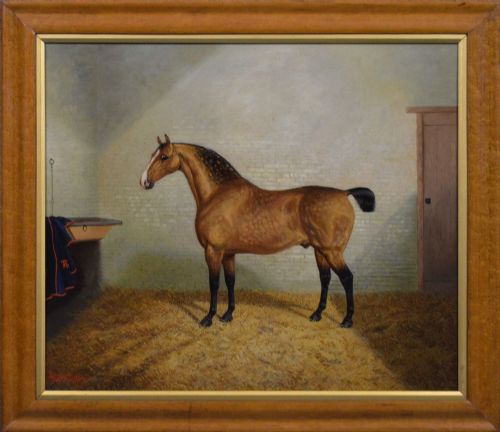
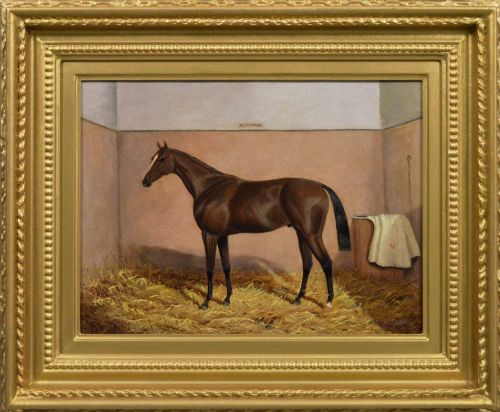
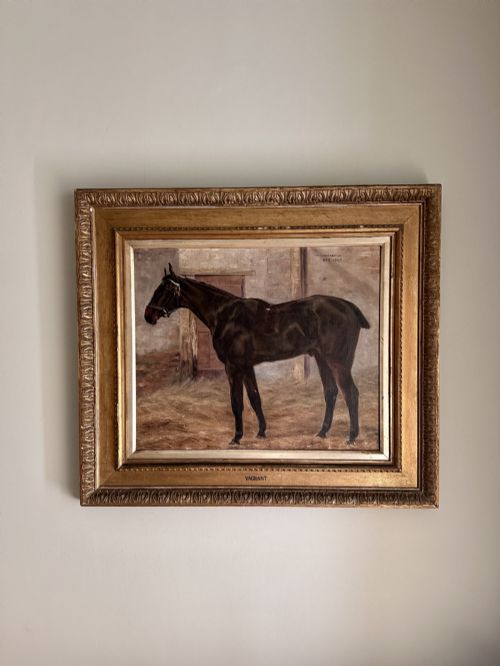
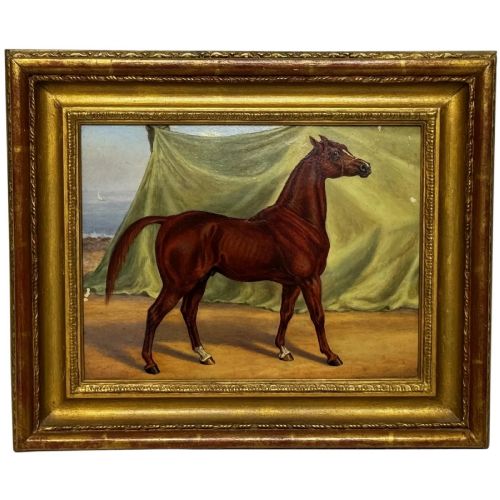
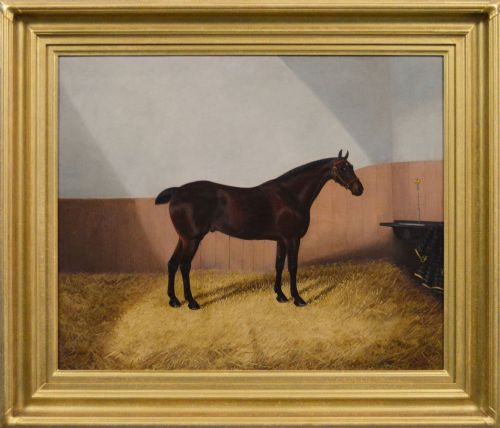
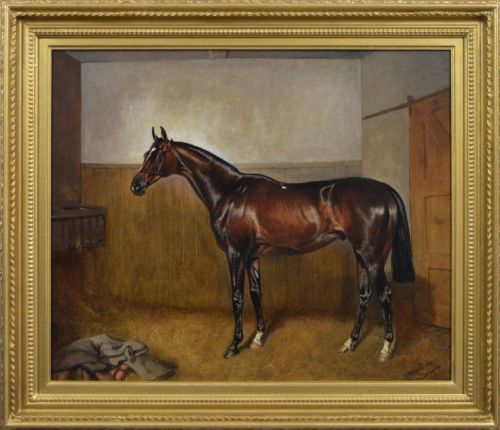
Equine portrait artwork records individual horses, racehorses and working animals across the nineteenth century and into the twentieth century. These paintings and watercolours frequently document specific subjects like named champions, hunters and stable scenes.
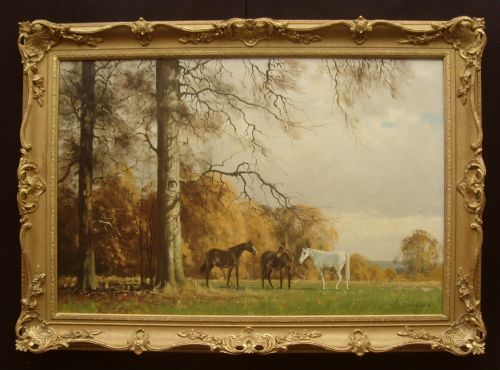
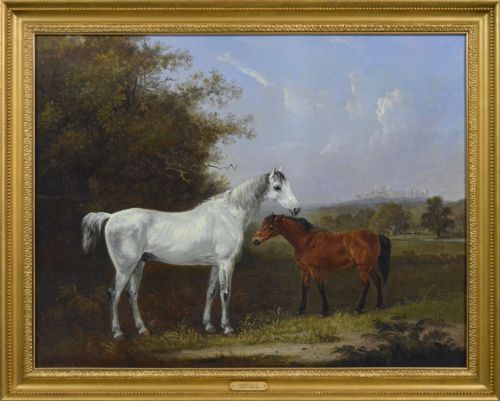
The works appearing here include pieces from the Victorian, Edwardian and Georgian periods alongside traditional English and British school styles. Buyers encounter both intimate stable studies and broader landscape compositions featuring horses.
Makers represented span named artists working within established traditions, capturing the physical conformation and character of horses for patrons and owners. Many pieces retain period framing in giltwood or gesso.
Materials and technique
Artists painted primarily in oil on canvas or wood panel, applying oil paint to build the musculature and coat texture of the subject. Some works utilise watercolour or pastel on paper.
Frames employ giltwood and gesso over wood substrates, often matching the period of the painting. Canvases are stretched over wooden frames and secured within traditional moulding profiles.
Listings feature oil paintings and watercolours spanning the Georgian period, the Victorian era, and the twentieth century up to nineteen sixty.
Factors of quality
Quality rests upon the anatomical accuracy and handling of light by the artist in rendering the horse's form. Works by accomplished painters display superior command over equine anatomy, expression and coat sheen.
Provenance and documentation elevate certain portraits, particularly when the horse, owner or stable is identified. The preservation of the original canvas, paint surface and period frame influences the standing of each piece.
Henry Barraud·Walter Robin Jennings·Edmund Bristow·Albert Clark·Fred Fitzpatrick·John Alfred Wheeler·John Ferneley Senior·George E Sharpe·Benjamin Cam Norton·Clifton Tomson·Alfred Moginie Bryant·Abraham Cooper RA·Charles Bilger Spalding RA·William Williams
The Equine Portrait Artwork Glossary
- Oil on Canvas
- A traditional painting medium where oil paint is applied to a stretched woven fabric support. This combination allows for rich blending of colours and durable preservation.
- Giltwood
- Wood carved and covered with a thin layer of gold leaf or metallic powder. It forms the decorative surface of period frames.
- Gesso
- A paint mixture consisting of a binder mixed with chalk, pigment, or gypsum. It prepares wood panels or frame mouldings to receive gilding or paint.
- Stable Interior
- A specific genre setting where horses are portrayed inside their stalls or yards. These compositions often highlight the daily management and housing of prized animals.
- Provenance
- The documented history of ownership of an artwork from its creation to the present. Clear provenance connects a piece to specific collections or estates.
Equine Portrait Artwork: Frequently Asked Questions
What is equine portrait artwork?
Equine portrait artwork comprises paintings and watercolours depicting horses as individual subjects, often recording specific animals, champions or working horses.
These pieces reflect the artistic traditions of the eighteenth, nineteenth and twentieth centuries, focusing on the conformation and character of the horse.
How were these paintings created?
Artists utilised oil paint on canvas or wood panel, applying layers of pigment to capture the texture of coats and anatomical details.
Watercolour and pastel works on paper also appear, alongside traditional wooden frames finished in giltwood and gesso.
How do I date an equine painting?
Dating relies on stylistic clues, costume details of any human figures present, framing materials and artist signatures or archival records.
Paintings from the Victorian and Georgian eras display distinct handling of subject matter and clothing styles that assist in establishing the period.
How should I care for an oil painting?
Keep oil paintings away from direct sunlight and fluctuating humidity to protect the canvas and wooden support from warping or cracking.
Dust the surface gently with a soft, dry brush and avoid using liquid cleaners on the paint or giltwood frame.