

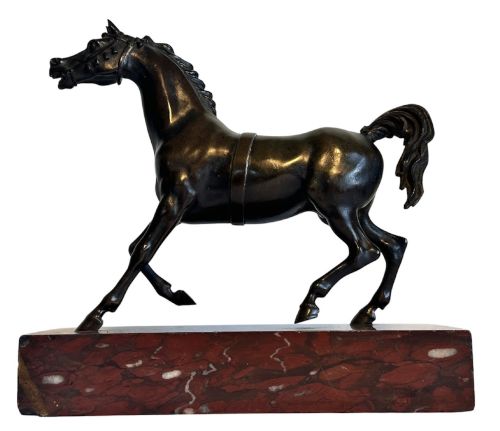


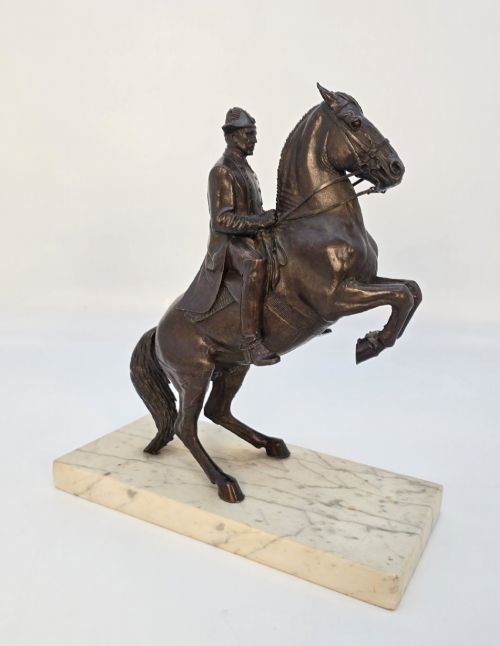
Equestrian Bronze Figurine
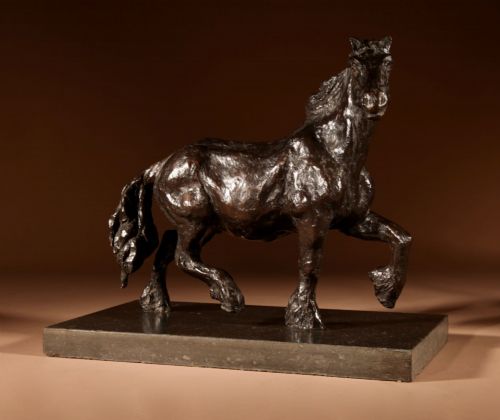
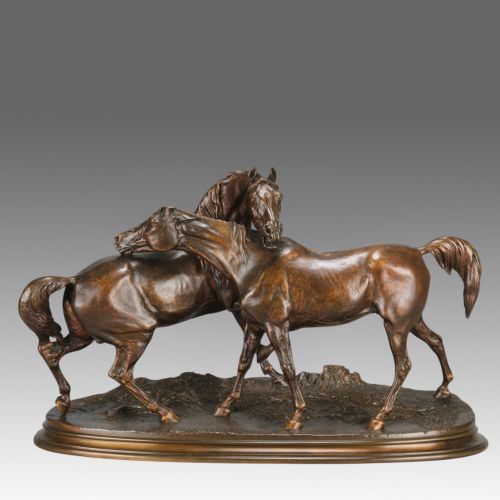
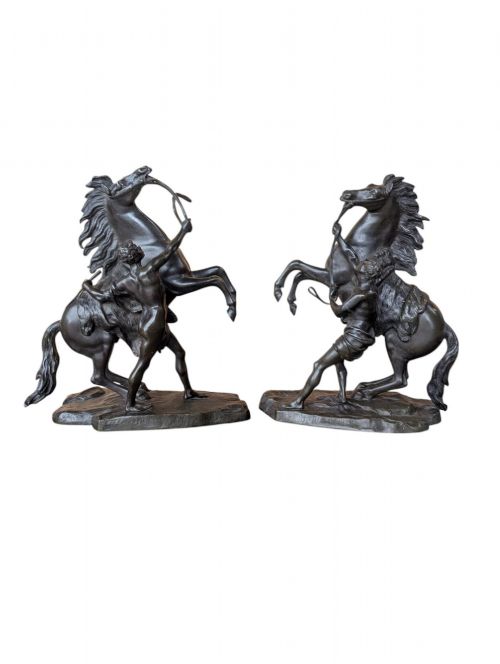
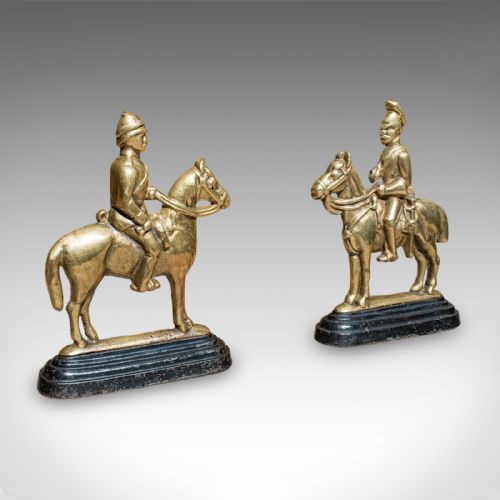
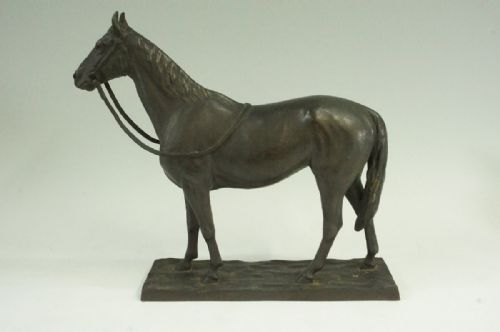
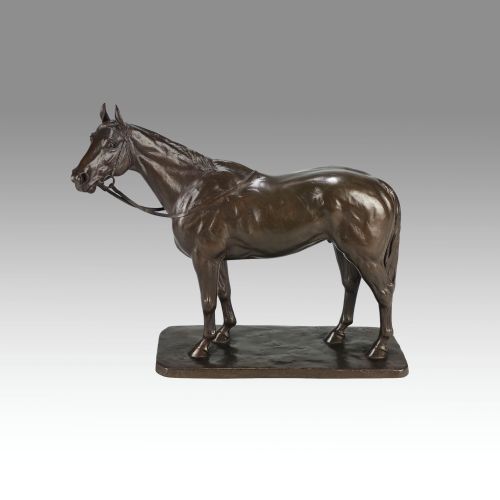
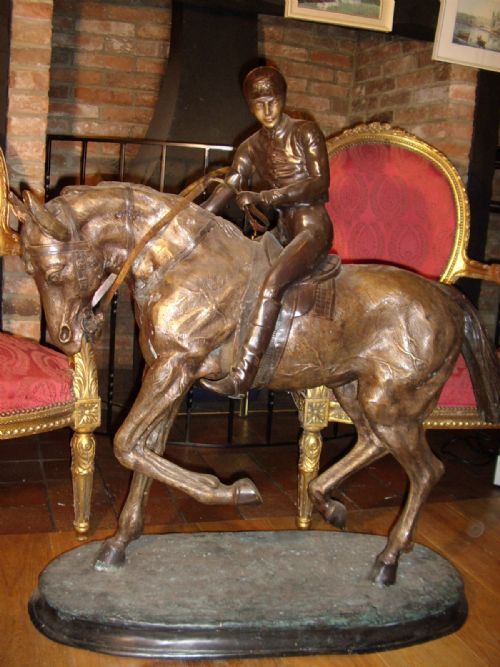
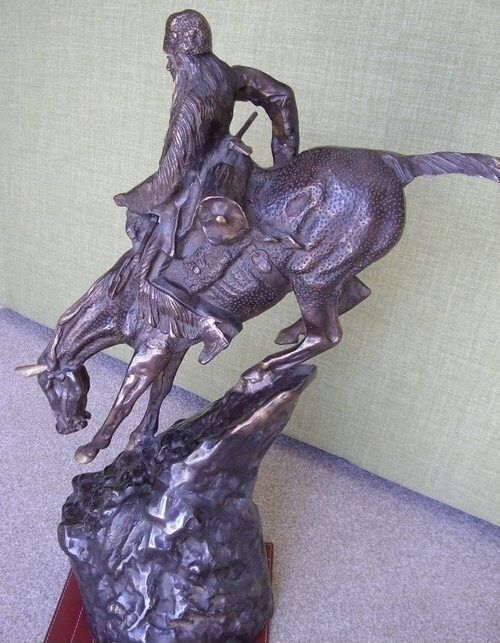
An equestrian bronze figurine captures horse and rider or animal alone in metal, bringing sculptural movement and historical weight to a desk or mantelpiece.
Equestrian Bronze Figurine
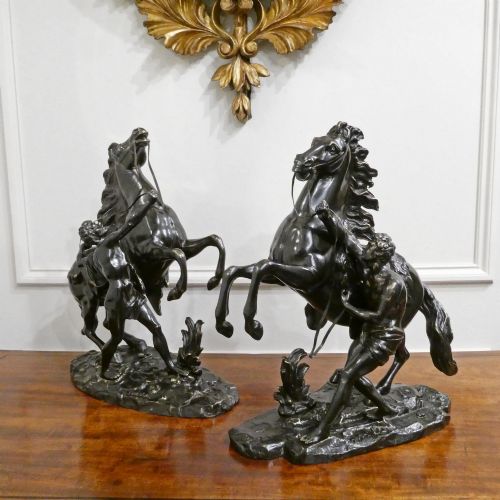
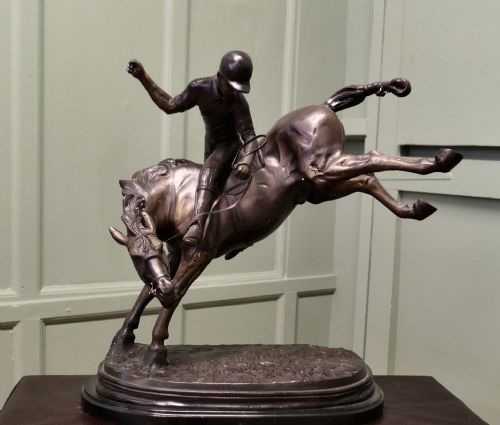
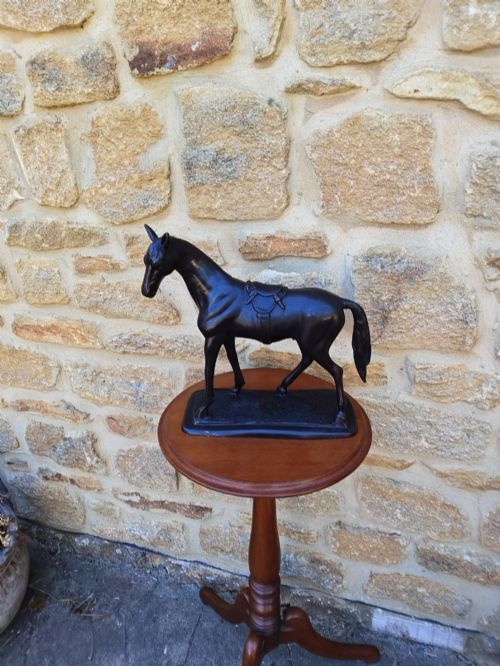
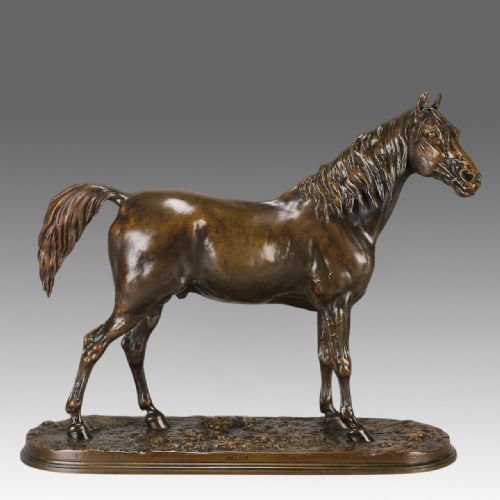
An equestrian bronze figurine represents horses and riders, racing scenes, or solitary animals cast in metal, drawing on traditions from the nineteenth century onward. You encounter French Animalier subjects, Austrian cold-painted pieces, and Grand Tour souvenirs most frequently.
The objects range from modest bookends and paperweights to large cabinet sculptures and mantel clock components. Many pieces combine the metal casting with stone or marble bases.
Origins span European foundries, particularly French and Austrian workshops, alongside Japanese Meiji period examples and English sporting subjects.
Materials and Casting Techniques
Foundries utilised traditional lost-wax or sand casting methods to shape bronze, patinated bronze, and gilt bronze. These metals take fine detail in muscle structure and harness work.
Selected pieces incorporate cold-painted pigments directly onto the metal surface, while others use paint or gilding to highlight specific areas.
Heavier works incorporate marble, stone, or wood plinths to provide stability for the mounted metal figures.
Equestrian Bronze Figurine Retail Price Guide 2026
Typical asking prices for equestrian bronze figurine among the pieces listed under this phrase on Sellingantiques today, from the lower quarter to the upper quarter. They describe what is for sale here now, not the wider market.
Even the humblest desk bookends demand a sturdy marble plinth so a charging stallion does not slide into the ledgers.
Factors Determining Quality
Quality rests in the fidelity of the casting and the crispness of the chase work, where a skilled hand cleans the metal after it leaves the mould. Finer examples retain sharp musculature and bridle details without softness.
The nuance of the patination dictates visual depth, separating commercial patinas from layered, chemical treatments applied by established foundries. Surface colour should appear integrated with the metal rather than painted flatly over it.
Pierre Jules Mêne·Franz Bergman·Kunio Itô·Alfred Dubucand·Nikolai Lieberich
The Equestrian Bronze Figurine Glossary
- Animalier
- A nineteenth-century artistic movement focused on the realistic portrayal of animals. Sculptors in this style studied live subjects closely at menageries.
- Cold-painted bronze
- A technique where paint is applied to a cold bronze casting rather than fired in a kiln. This finish requires careful handling to prevent flaking over time.
- Grand Tour
- A cultural journey undertaken by wealthy Europeans that produced souvenir bronzes of classical and historical subjects. These smaller casts often sat on marble plinths.
- Ormolu
- Gilt bronze created by applying a mercury and gold amalgam to a bronze base. This treatment yields a bright golden surface seen on decorative mounts and statuettes.
- Patina
- The surface coloration resulting from chemical oxidation or intentional treatment of bronze. A stable patina protects the metal underneath and deepens its visual character.
Equestrian Bronze Figurine: Frequently Asked Questions
What is an equestrian bronze figurine?
An equestrian bronze figurine depicts a horse, often with a rider, hunter, or handler, cast in metal. These sculptures range from small desk ornaments to substantial cabinet pieces.
They reflect the artistic styles of the nineteenth and early twentieth centuries, capturing movement in subjects from racing to military history.
How were cold-painted bronzes made?
Foundries cast the bronze figurine first and cleaned the surface before applying layers of paint without firing the metal in a kiln. This method produced vibrant coloration on garments and harness details.
Because the paint sits on the metal surface rather than fusing into it, these pieces require gentle care to preserve the original finish.
Where do most antique bronze horses originate?
The majority of nineteenth-century pieces come from French foundries working in the Animalier tradition, alongside Austrian workshops known for cold-painted output. Japanese Meiji period foundries also produced distinct bronze horse sculptures.
European makers often exported these works globally, creating a diverse market for collectors today.
How do I display an antique bronze figurine?
Place your figurine on a stable surface away from direct heat sources and moisture, which can affect the metal and any attached marble bases. Ensure the display area allows the piece to be viewed from multiple angles to appreciate the casting detail.
Dust the surface gently with a dry, soft brush rather than using liquid polishes that might alter the patina.