




Equestrian Boot Pull
These equestrian boot pull and boot jack pieces make removing heavy riding footwear straightforward while adding traditional utility to an entrance hall.
Equestrian Boot Pull
An equestrian boot pull helps riders remove tall footwear effortlessly after a day in the saddle without straining the leather or bending down awkwardly.
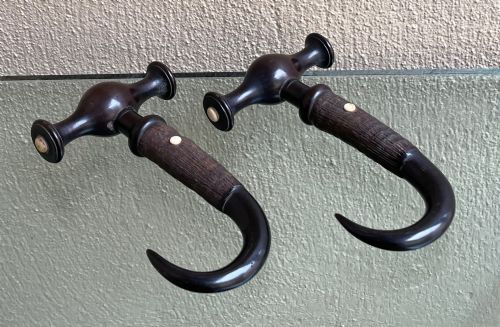
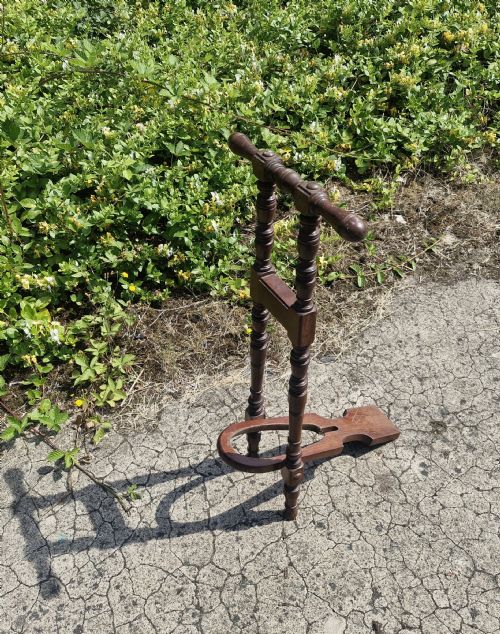
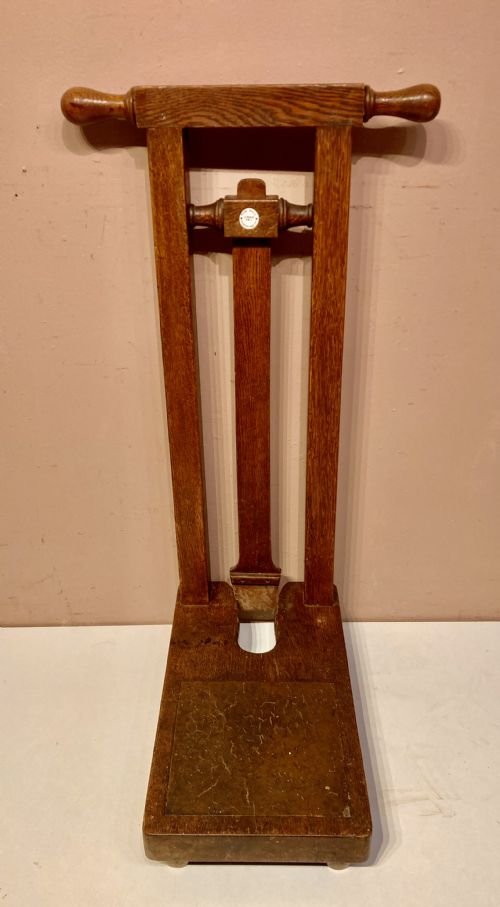
Most examples found here take the form of boot jacks or handheld pulling tools designed during the Victorian, Edwardian, and Georgian eras.
Materials and construction methods
Cabinet makers utilised dense hardwoods such as oak and mahogany to build sturdy boot jacks capable of withstanding daily pressure.
Metal components like brass and iron were incorporated to provide reinforced hinges, folding mechanisms, and secure grip points.
Handheld pulling tools often utilised natural materials including horn, antler, bone, and silver for their handles.
Equestrian Boot Pull Retail Price Guide 2026
Typical asking prices for equestrian boot pull among the pieces listed under this phrase on Sellingantiques today, from the lower quarter to the upper quarter. They describe what is for sale here now, not the wider market.
Materials across these listings span oak, mahogany, walnut, brass, iron, horn, antler, bone, and silver.
Distinctions in craftsmanship
The sophistication of the timber and the quality of brass mounts usually separate standard examples from finer country house pieces.
Folding mechanisms and campaign configurations display varying degrees of mechanical ingenuity, particularly in military or travel items.
Tom Hill
The Equestrian Boot Pull Glossary
- Boot jack
- A V-shaped device placed on the floor that holds the heel of a boot while the wearer steps out of it. This simple tool prevents damage to tall riding footwear.
- Campaign
- Describing portable furniture and accessories made for travel or military use. These pieces often feature folding elements for compact storage.
- Country house
- A term denoting sturdy, practical furnishings designed for large English estates. These items prioritise robust construction and utilitarian function.
- Horn
- A natural material derived from the horns of cattle, utilised for decorative and durable handles on handheld pulling tools.
Equestrian Boot Pull: Frequently Asked Questions
How do you use a boot jack?
Place the device flat on the floor and step onto the base with one foot while placing the heel of your riding boot into the V-shaped notch. Pull your foot upward to slide out of the leather effortlessly.
This method keeps your hands clean and protects the back of the boot from excessive strain.
How do you date an antique boot jack?
Dating relies on timber selection, construction techniques, and stylistic clues from periods such as the Georgian, Victorian, and Edwardian eras. Campaign pieces often display military folding mechanisms typical of specific conflicts.
Examining the wear patterns and type of metal fixings also helps determine the age of the piece.
Where should you place a boot jack at home?
Position the piece near the main entrance, in a boot room, or by a back door where muddy footwear is routinely removed. This keeps the utility close at hand for daily use.
Many collectors also display them simply as traditional examples of equestrian history.