

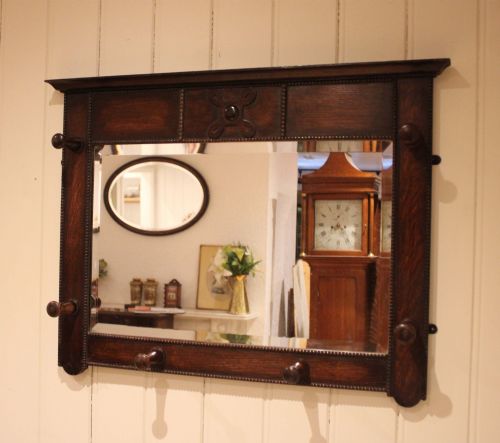


Entryway Wall Hooks
Entryway wall hooks bring practical organisation to hallways, combining timber backplates with metal hooks for everyday storage.
Entryway Wall Hooks
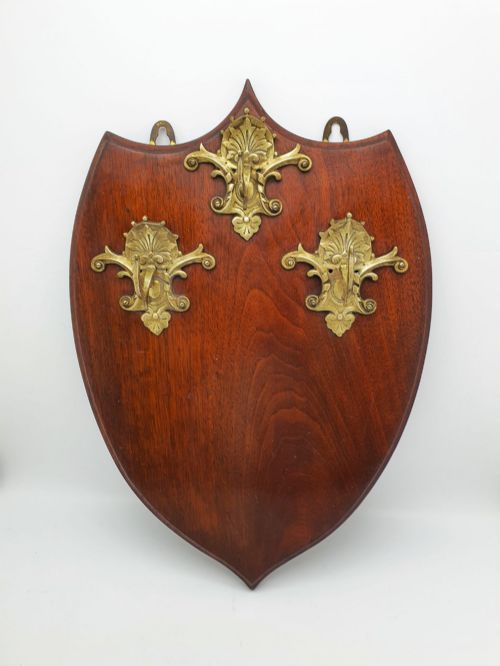
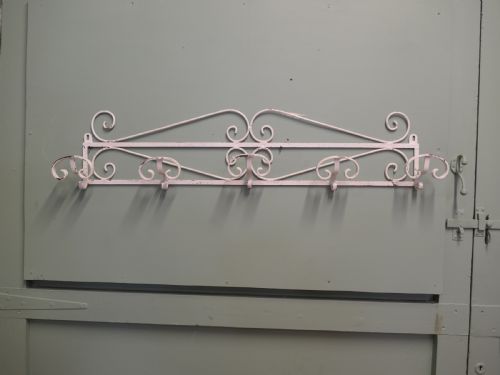
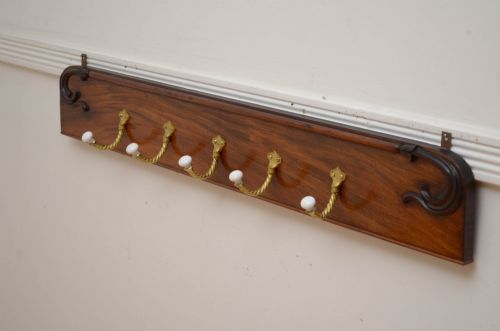
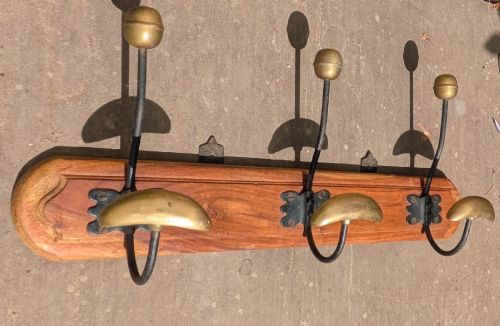
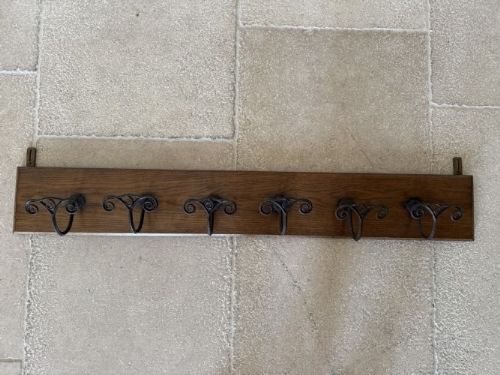
Entryway wall hooks encompass wall-mounted coat racks, hat stands, and mirrored panels designed for hallways. These pieces combine backplates of mahogany, oak, walnut, and wrought iron with brass, ceramic, or iron hooks.
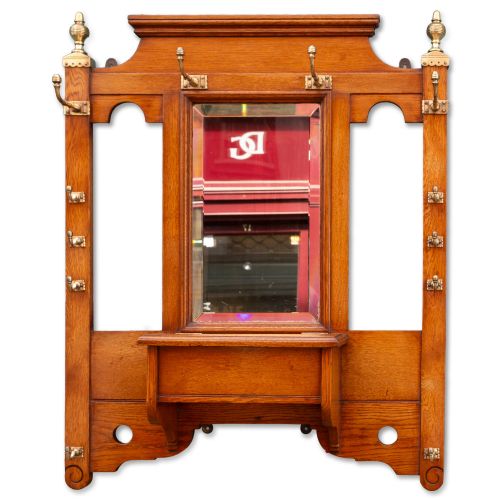
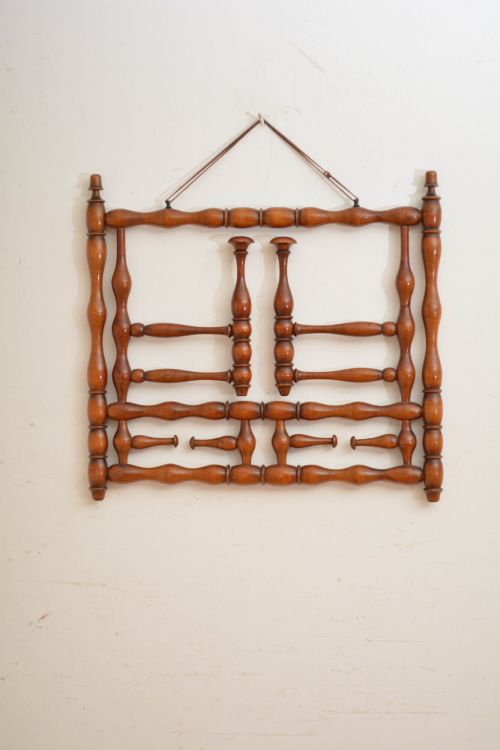
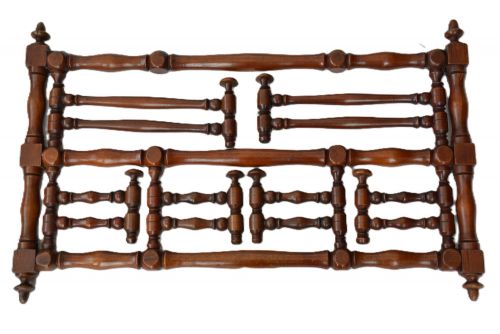
You will most frequently encounter wall-mounted wooden plaques and racks from the Victorian, Edwardian, and Art Deco periods. Many incorporate mirrors or upper shelves for hats alongside the main hanging hooks.
How they were made
Cabinet makers utilised dense hardwoods including mahogany, oak, and walnut to form sturdy wall plaques and mirror frames. These wooden boards were shaped, polished, and fitted with securely fastened metal brackets for mounting.
Metal components involved cast brass, wrought iron, and twisted wire fixed directly to the timber. Individual hooks often featured decorative casting, ceramic inserts, or twisted rope motifs depending on the stylistic period.
Entryway Wall Hooks Retail Price Guide 2026
Typical asking prices for entryway wall hooks among the pieces listed under this phrase on Sellingantiques today, from the lower quarter to the upper quarter. They describe what is for sale here now, not the wider market.
Listings span from the nineteenth century into the 1930s, featuring woods such as oak, mahogany, and walnut alongside brass and wrought iron.
What varies in quality
The standard of timber selection and joinery determines the structural integrity of the backplate. Solid hardwoods with well-figured grain and secure structural mounting points sit at the higher end of craftsmanship.
The complexity and finish of the hardware distinguish finer examples from plain utility pieces. Heavy cast brass, intricate wrought ironwork, and integrated mirrors or shelves indicate superior design ambition.
The Entryway Wall Hooks Glossary
- Wall plaque
- A decorative wooden board fixed to a wall to hold coat hooks. It provides a stable backing for metal hardware.
- Hall mirror
- A wall-mounted glass looking plate combined with coat hooks for hallways. This form allowed a final check of appearance before leaving the house.
- Wrought iron
- Iron beaten into shape by hand while hot to create structural brackets and hooks. This material yields strong and flexible hanging fittings.
- Hat shelf
- An upper storage rack mounted above coat hooks for headwear. It forms a combined unit for complete outdoor attire.
Entryway Wall Hooks: Frequently Asked Questions
How are entryway wall hooks mounted?
These pieces secure directly to walls through pre-drilled screw holes or brass mounting brackets integrated into the wooden backplate. Proper installation requires fixings suited to the wall type to support heavy garments.
Ensure the weight of the timber and potential coat loads distribute evenly across sturdy wall studs or appropriate masonry plugs.
What periods do these hooks represent?
The available pieces span from the Victorian and William IV eras through Edwardian times to Art Deco designs of the early twentieth century. Each era brings distinct timber choices and metalworking styles.
Victorian and William IV examples often feature rich mahogany or walnut with turned details, while Art Deco pieces favour wrought iron and clean lines.
Do these racks include mirrors?
Several designs integrate glass mirrors directly into the wooden plaque or iron frame alongside the coat hooks. These combination pieces served a dual purpose in traditional hallways.
The inclusion of a mirror often indicates a more substantial hall stand or larger wall plaque intended for the main entrance.
What materials make up the hooks?
Hooks are constructed from brass, wrought iron, and sometimes incorporate ceramic elements or twisted rope designs. Metal selection usually matches the aesthetic of the supporting wooden backplate.
Brass offers a polished or aged metallic finish, whereas wrought iron provides a darker, industrial texture typical of later periods.